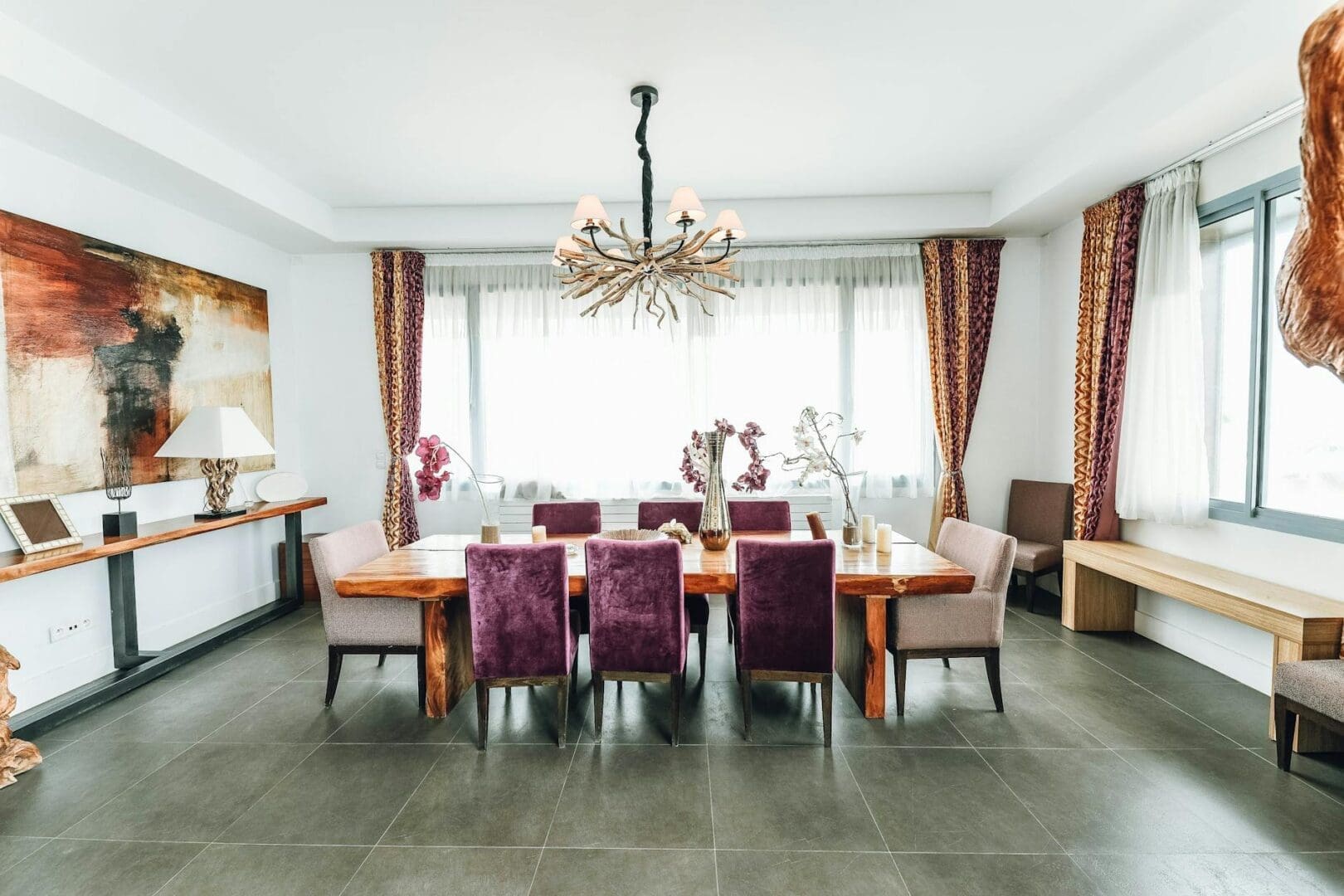
Whether you’re hosting holidays, managing a growing family, or just love having friends over for dinner, finding the right dining table for eight or more people is a big decision. A table this size becomes the heart of your home, and you’ll want something that balances functionality with the style of your space. Let’s walk through what matters most when shopping for a large dining table.
Size and Space Requirements
Before you fall in love with any table, grab a tape measure. A dining table that seats eight comfortably needs to be at least 84 inches long for rectangular tables, though 96 inches gives everyone more elbow room. Round tables need a 60-inch diameter minimum for eight people, while 72 inches works even better.
Here’s the critical part: you need at least 36 inches of clearance on all sides between the table edge and the walls or other furniture. This gives people enough room to pull out chairs and move around comfortably. If you’re tight on space, that 36 inches is non-negotiable—anything less and your dining room will feel cramped every time you use it.
Measure your room carefully and use painter’s tape on the floor to outline where the table will sit. Walk around it. Pull out imaginary chairs. This simple step prevents the disappointment of a table that technically fits but doesn’t actually work.
Shape Matters More Than You Think
Rectangular tables are the workhorses of large dining—they’re space-efficient and can squeeze in extra guests with a couple folding chairs at the ends. They work beautifully in long, narrow dining rooms and create a formal feel that’s perfect for traditional homes.
Round tables create intimacy that rectangular ones can’t match. Everyone can see and talk to each other without craning their necks. The downside? They consume more floor space and can feel oversized in smaller rooms. Oval tables split the difference, giving you the conversation flow of a round table with the space efficiency of a rectangular one.
Extension tables deserve serious consideration when you seat eight regularly but occasionally need room for twelve. Butterfly leaf extensions hide inside the table, while removable leaves require storage space but often allow for more flexibility. Just make sure the extension mechanism feels sturdy—nothing’s worse than a wobbly table when it’s fully extended.
Materials and Construction Quality
A table for eight takes serious wear and tear, so construction quality matters. Solid wood tables—oak, walnut, maple—can last generations and develop beautiful patina over time. Expect to invest $1,200-$3,000 for quality solid wood from mid-range brands, while premium hardwoods can run $4,000-$8,000 or more.
Engineered wood with veneer tops offers good looks at friendlier prices, typically $600-$1,500. These tables hold up well to daily use, though they’re harder to refinish if damaged. Look for furniture-grade plywood cores rather than particleboard—you’ll feel the difference in stability.
The base construction matters just as much as the top. Pedestal bases maximize legroom but need substantial weight and engineering to stay stable at large sizes. Four-leg and trestle bases distribute weight better but can limit seating at the ends. Run your hands along the underside—quality tables have smooth, finished interiors and solid joinery you can see and feel.
Lifestyle Considerations
Think honestly about your life. Families with young children might want to save the $5,000 walnut table for a few years and start with a durable, budget-friendly option they won’t stress about. Tables with distressed finishes or rustic character hide scratches and dings better than glass or high-gloss surfaces.
Consider maintenance requirements too. Glass tables show every fingerprint. Light-colored wood shows spills and stains more readily than darker finishes. Marble and stone tops are gorgeous but require sealing and careful cleaning. If you want low-maintenance living, sealed hardwood in medium to dark tones gives you the best combination of durability and forgiveness.
Counter-height tables (36 inches high instead of the standard 30 inches) create a casual, contemporary vibe that works well for families who eat informally. Just make sure everyone who’ll use the table regularly can comfortably reach the surface—they’re not ideal for households with small children or shorter adults.
Finding the right dining table for eight or more takes patience, but it’s worth getting it right. You’re choosing a piece that’ll host countless meals, homework sessions, game nights, and conversations over the years. Take your measurements seriously, choose materials that match your lifestyle, and pick a style that makes you happy every time you walk into the room. When everything clicks, you’ll know it.
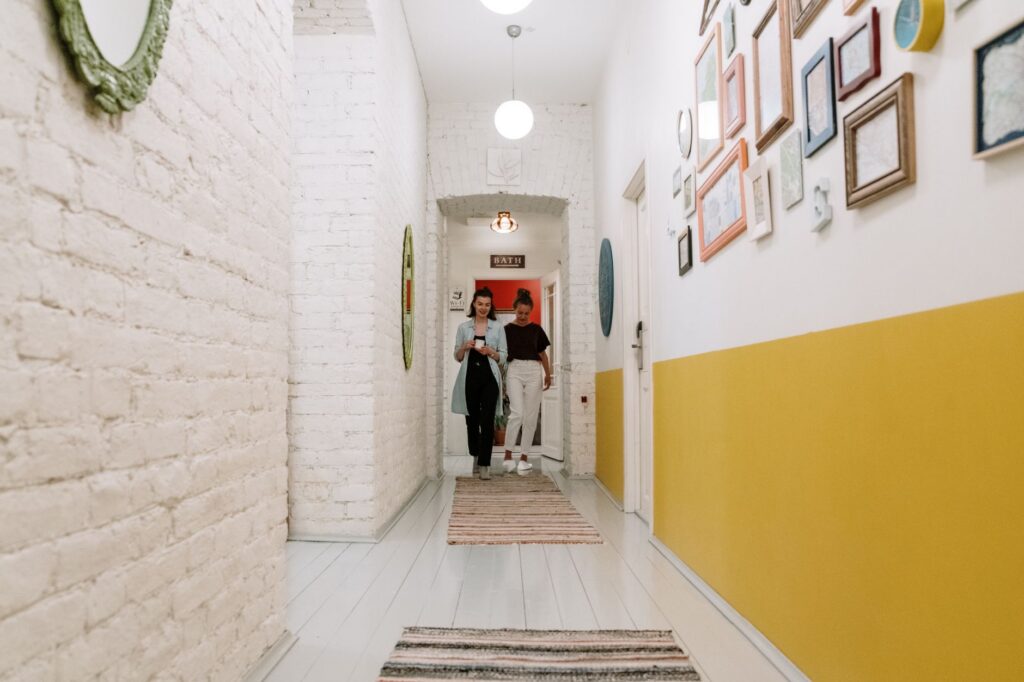
Hallways are the overlooked workhorses of our homes—they connect every room, but rarely get the storage love they deserve. A well-chosen sideboard transforms that narrow stretch of wall into genuinely useful space without making your hallway feel like an obstacle course. The trick is finding one that fits the proportions of the room while actually […]
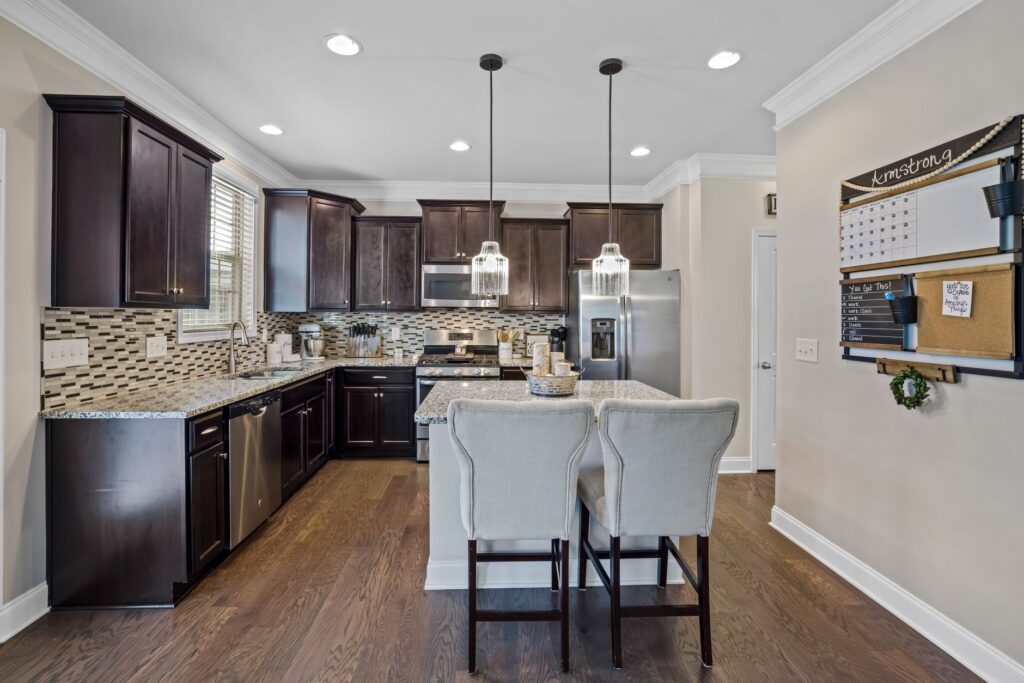
Dark kitchens—whether they feature rich espresso cabinets, moody charcoal walls, or black granite countertops—create incredible drama and sophistication. But they also present a unique challenge when it comes to choosing bar stools. Pick the wrong ones, and your beautiful space can feel cave-like or visually heavy. Choose wisely, and your stools become the bright spot […]
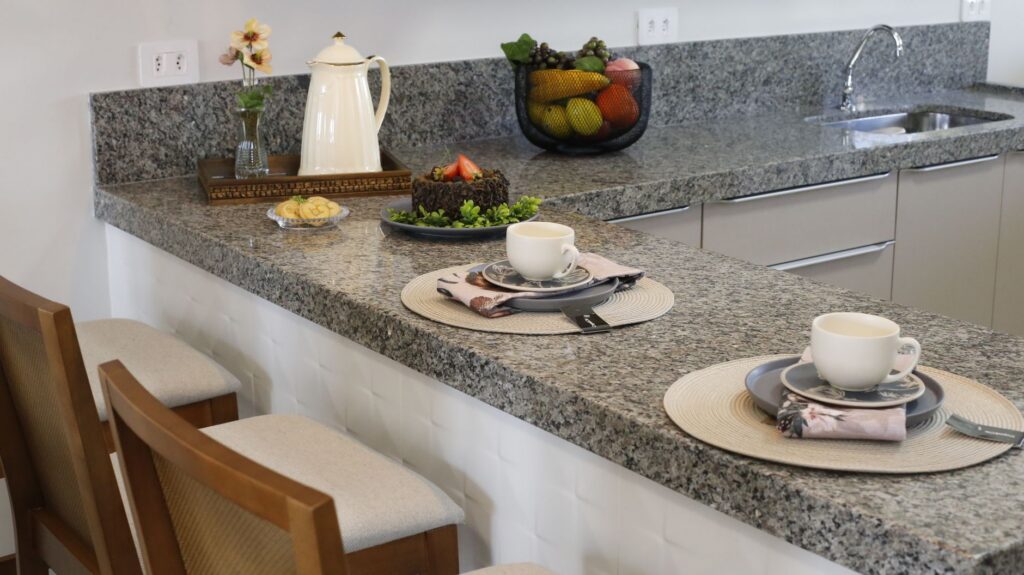
Your kitchen peninsula is prime real estate—it’s where morning coffee happens, where kids do homework while you’re prepping dinner, and where guests naturally gather during parties. Getting the right bar stools makes all the difference between a peninsula that feels welcoming and one that sits empty. But with so many options for height, style, and […]