You’ve found the perfect dining table, but now you’re staring at hundreds of chair options wondering which ones will actually work. Too tall, too wide, wrong style, uncomfortable—the wrong chairs can make every meal feel awkward. The good news? Once you know what to look for, choosing dining chairs becomes surprisingly straightforward.
Getting the Size and Scale Right
Before you fall in love with a particular style, pull out your measuring tape. Your chairs need to fit both your table and your room, and the math matters more than you’d think.
Leave 10-12 inches between the chair seat and the table’s underside. Standard dining tables sit at 28-30 inches high, which means you’ll want chair seats around 18 inches from the floor. Counter-height tables (34-36 inches) need counter stools with 24-26 inch seats, while bar-height tables (40-42 inches) require bar stools at 28-30 inches.
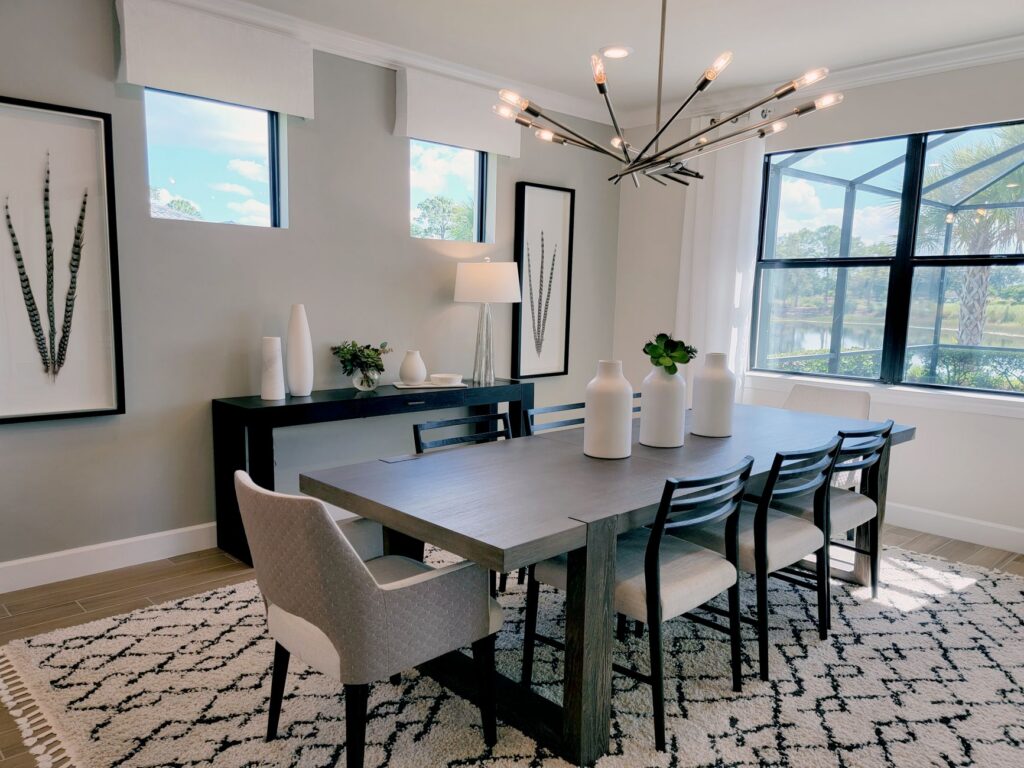
For width, each person needs about 24 inches of table space to eat comfortably. Make sure your chairs are narrow enough to fit this spacing—typically 16-20 inches wide for armless chairs, up to 24 inches for those with arms. And don’t forget to measure your room: you need at least 36 inches (48 is better) between the table edge and the wall so people can push their chairs back and walk around comfortably.
Comfort Features That Actually Matter
You’ll spend hours in these chairs over family dinners, homework sessions, and lingering conversations. Comfort isn’t optional.
The seat depth should be around 16-18 inches—enough to support your thighs without hitting the back of your knees. Look for chairs with a slight backward angle in the backrest (about 5-10 degrees) rather than perfectly vertical backs, which feel stiff during longer meals.
Upholstered seats add cushioning that’s especially welcome during multi-course dinners, though they require more maintenance than wood or metal. If you’re going with hard surfaces, test before you buy—some contoured wood seats are surprisingly comfortable, while others will have guests shifting around after twenty minutes.
Armchairs at the head of the table add a touch of formality and extra comfort, but verify they’ll slide completely under your table. Nothing’s more annoying than chairs that stick out because the arms hit the table apron.
Materials and Durability
Your chairs need to survive daily life, so think honestly about how you’ll use them.
Wood chairs offer timeless appeal and serious durability. Hardwoods like oak, walnut, and maple can last generations, while rubberwood and pine offer budget-friendly options ($100-200 per chair) that still hold up well. Mid-range solid wood chairs typically run $250-450 each, with premium hardwoods reaching $500-1,000+.
Metal chairs—especially powder-coated steel or aluminum—work beautifully in modern and industrial spaces. They’re incredibly durable and easy to clean, though metal can feel cold and might benefit from seat cushions.
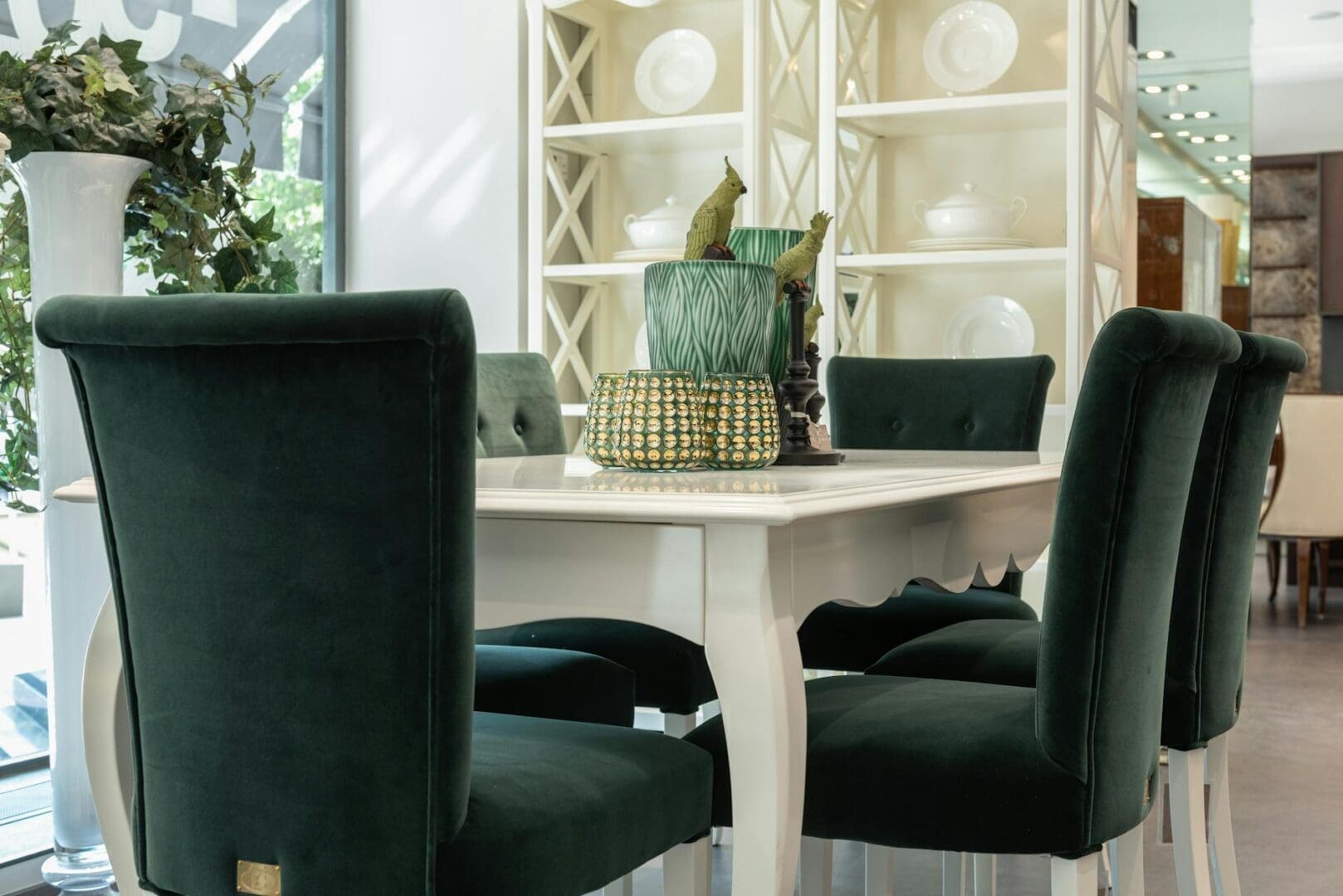
Upholstered chairs add softness and style but require more care. For dining rooms, choose performance fabrics, leather, or vinyl that can handle spills. Removable, washable covers are worth seeking out if you have kids. Expect to pay $200-400 for quality upholstered chairs, with designer options exceeding $800.
Avoid chairs with complicated joints, thin legs, or wobbly construction. Give display models a wiggle test—any movement now means problems later.
Matching Style Without Overthinking It
Your chairs don’t need to match your table exactly—in fact, mixing can add character. But they should share some common ground.
Match the overall style category: traditional chairs with traditional tables, modern with modern. Within that framework, feel free to play with different materials or colors. A rustic wood table can look stunning with upholstered parsons chairs, while a glass table pairs nicely with sculptural molded plastic or sleek metal.
If you’re mixing chair styles, keep at least one element consistent—maybe the same finish color, leg style, or seat height. Two matching armchairs at the table ends with different side chairs is a foolproof approach that looks intentional rather than mismatched.
When choosing between a set and individual chairs, sets offer convenience and guaranteed cohesion, usually at a better price point. Buying individually gives you more flexibility but requires a stronger eye for what works together.
The right dining chairs balance comfort, durability, and style while fitting your space and budget. Measure carefully, test for comfort, choose materials that match your lifestyle, and trust your instincts on style. Once you know your requirements, you’ll recognize the right chairs when you see them—and every meal around your table will feel just right.
A sputnik chandelier makes a serious statement in a dining room—all those radiating arms and exposed bulbs create instant drama and mid-century appeal. But with so many variations in size, arm count, and finish, choosing the right one for your space can feel overwhelming. Get it right, though, and you’ve got a showstopper that pulls […]
When every square foot counts, bringing furniture into a small apartment feels like a high-stakes game of Tetris. You need storage desperately, but you’re terrified of making your space feel even more cramped. A sideboard can be the perfect solution—if you choose the right one. Let’s walk through exactly what to look for so you […]
Hallways are the overlooked workhorses of our homes—they connect every room, but rarely get the storage love they deserve. A well-chosen sideboard transforms that narrow stretch of wall into genuinely useful space without making your hallway feel like an obstacle course. The trick is finding one that fits the proportions of the room while actually […]