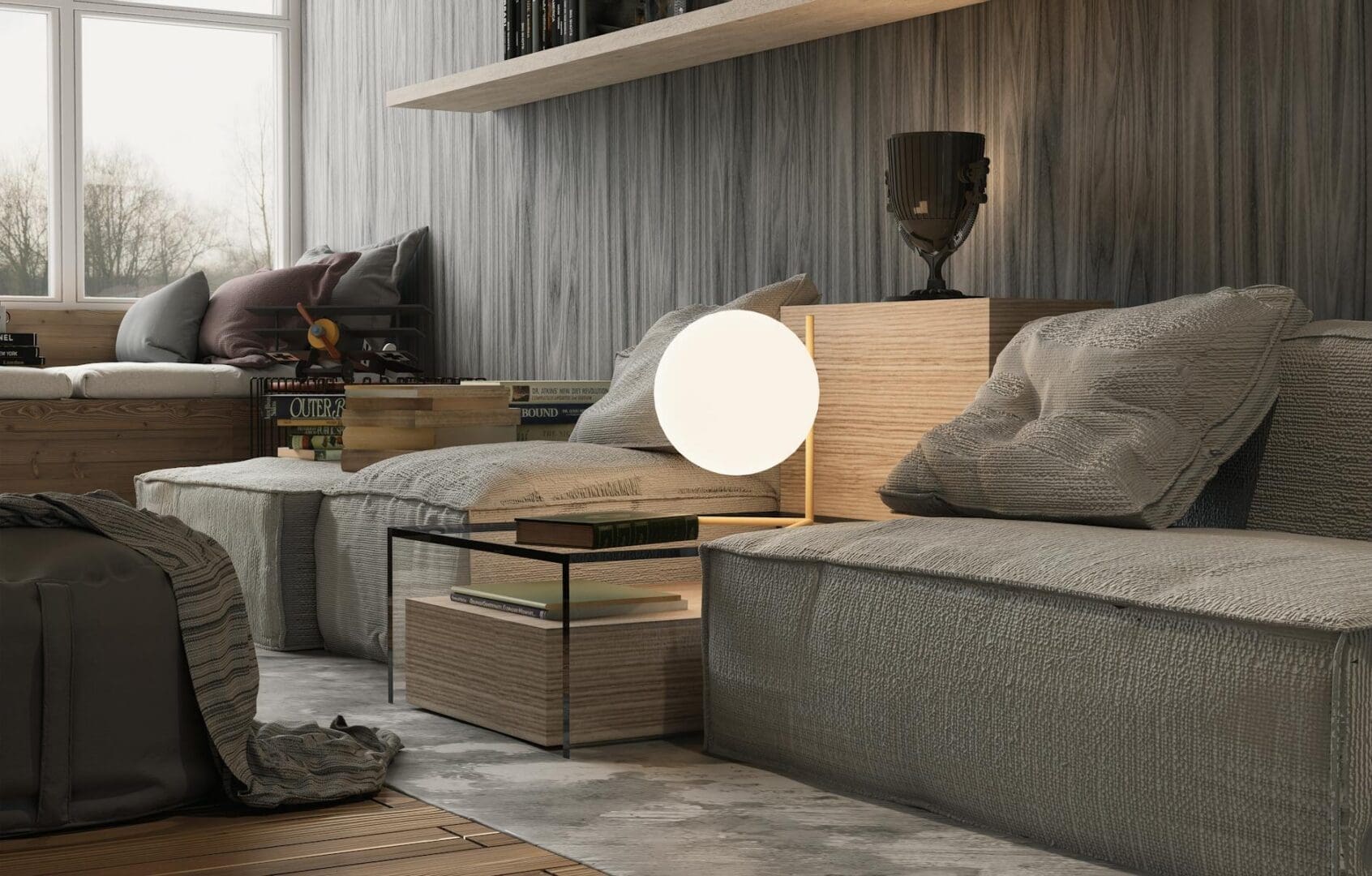
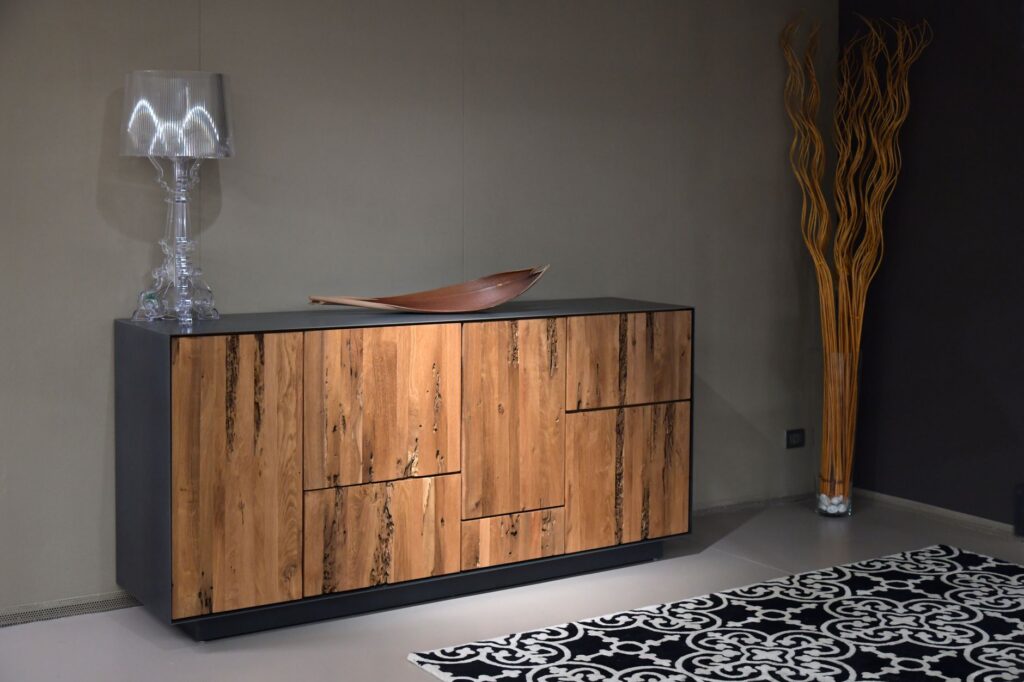
Scrolling through design inspiration can feel equal parts exciting and paralyzing. You love the clean lines of modern furniture, but those cozy farmhouse touches speak to you too. And what about that gorgeous mid-century piece you’ve been eyeing? Before you know it, you’ve got a Pinterest board with fifteen different “vibes” and no clear direction forward.
Here’s the truth: you don’t need to be a professional designer to create a cohesive home, but you do need a style framework to guide your choices. Otherwise, you’ll end up with a collection of pieces you love individually that don’t quite work together. Let’s break down how to actually choose a design style you can commit to.
Start With Your Lifestyle, Not Instagram
The most important question isn’t “what’s trending?” but “how do I actually live?” A minimalist aesthetic might look stunning in photos, but if you have young kids, pets, or simply love displaying collections, that stark emptiness will feel uncomfortable rather than calming.
Ask yourself these practical questions: Do you entertain often or prefer quiet evenings at home? Do you need furniture that can take a beating or can you maintain more delicate pieces? Are you drawn to bold statements or subtle sophistication? Your answers will naturally eliminate some styles and highlight others.
For instance, if you have a busy household, consider transitional or casual coastal styles that balance beauty with durability. Leather sofas and distressed wood tables in these aesthetics actually look better with age. If you’re an empty-nester ready for sophistication, contemporary or art deco styles with sleek upholstery and glass accents might finally be practical.
Identify Your Style DNA Through Patterns
Look at what you already own and love—not just furniture, but clothing, art, even your favorite restaurants. You’ll likely spot consistent threads: clean lines versus ornate details, warm woods versus cool metals, maximalist color versus neutral palettes.
Most people naturally gravitate toward one of these style families:
Traditional/Classic: Formal silhouettes, rich woods, elegant fabrics like velvet and silk, symmetrical arrangements
Modern/Contemporary: Minimal ornamentation, neutral colors with bold accents, materials like metal and glass, open space
Mid-Century Modern: Iconic 1950s-60s shapes, tapered legs, warm wood tones, pops of retro color
Bohemian/Eclectic: Layered patterns, global influences, mix of vintage and new, personal collections on display
Industrial: Exposed materials, metal frames, leather seating, warehouse-inspired elements
You don’t need to pick one exclusively—many beautiful homes blend two complementary styles, like modern farmhouse or industrial contemporary. The key is choosing a primary style (about 70% of your pieces) and a secondary influence (30%) rather than splitting everything equally.
Set Style Guardrails, Not Strict Rules
Once you’ve identified your direction, create a simple style guide for yourself. This doesn’t need to be complicated—just note your color palette (typically 3-4 main colors), preferred materials (maybe wood + linen + brass), and the overall mood you’re after (sophisticated, relaxed, energetic).
These guardrails help tremendously when shopping. That gorgeous tufted velvet sofa might catch your eye, but if your style guide says “clean-lined furniture in natural fabrics,” you’ll recognize it’s not right for your space, no matter how beautiful it is in isolation.
Budget-wise, this focused approach actually saves money. Instead of buying and replacing pieces that don’t fit, you’ll build a cohesive collection over time. Start with larger anchor pieces in your chosen style—sofas typically run $800-3000+, dining tables $600-2500+—then layer in smaller accessories that reinforce your aesthetic.
Test Before You Fully Commit
If you’re still uncertain, start small. Choose one room, preferably a bedroom or home office, to experiment with your potential style. Invest in a few key pieces—maybe a bed frame and nightstand, or a desk and chair—in your chosen aesthetic. Live with it for a few weeks.
Does it feel like you? Are you excited to spend time in that space, or does something feel off? This testing ground lets you refine your direction before committing to major pieces for your main living areas. You might discover you love the idea of minimalism but need more warmth, pointing you toward Scandinavian style instead of stark modern.
Choosing a design style isn’t about limiting yourself—it’s about creating a framework that makes decision-making easier and ensures your home feels intentionally collected rather than accidentally cluttered. Once you’ve identified your style direction and set a few basic guardrails, shopping becomes infinitely more straightforward. You’ll walk past dozens of beautiful pieces without hesitation because you know exactly what you’re looking for.
You need more storage in your living room, but a bulky bookcase feels too heavy and floating shelves aren’t cutting it. A credenza might be exactly what you’re looking for—it’s that low-profile cabinet that gives you tons of hidden storage while creating a beautiful surface for lamps, plants, and the things you actually want to […]
If you’ve been hitting snooze repeatedly or dragging yourself out of bed feeling groggy, you’re not alone. Waking up to a jarring alarm in a dark room works against your body’s natural rhythms, especially during winter months. A sunrise alarm clock mimics natural dawn, gradually filling your room with light to ease you awake. But […]
Waking up at 3 a.m. with a sweaty neck and flipping your pillow to the cool side for the fourth time isn’t just annoying—it’s robbing you of quality sleep. If you’re a hot sleeper, your pillow might be trapping heat against your head and neck all night long. The good news? The right cooling pillow […]