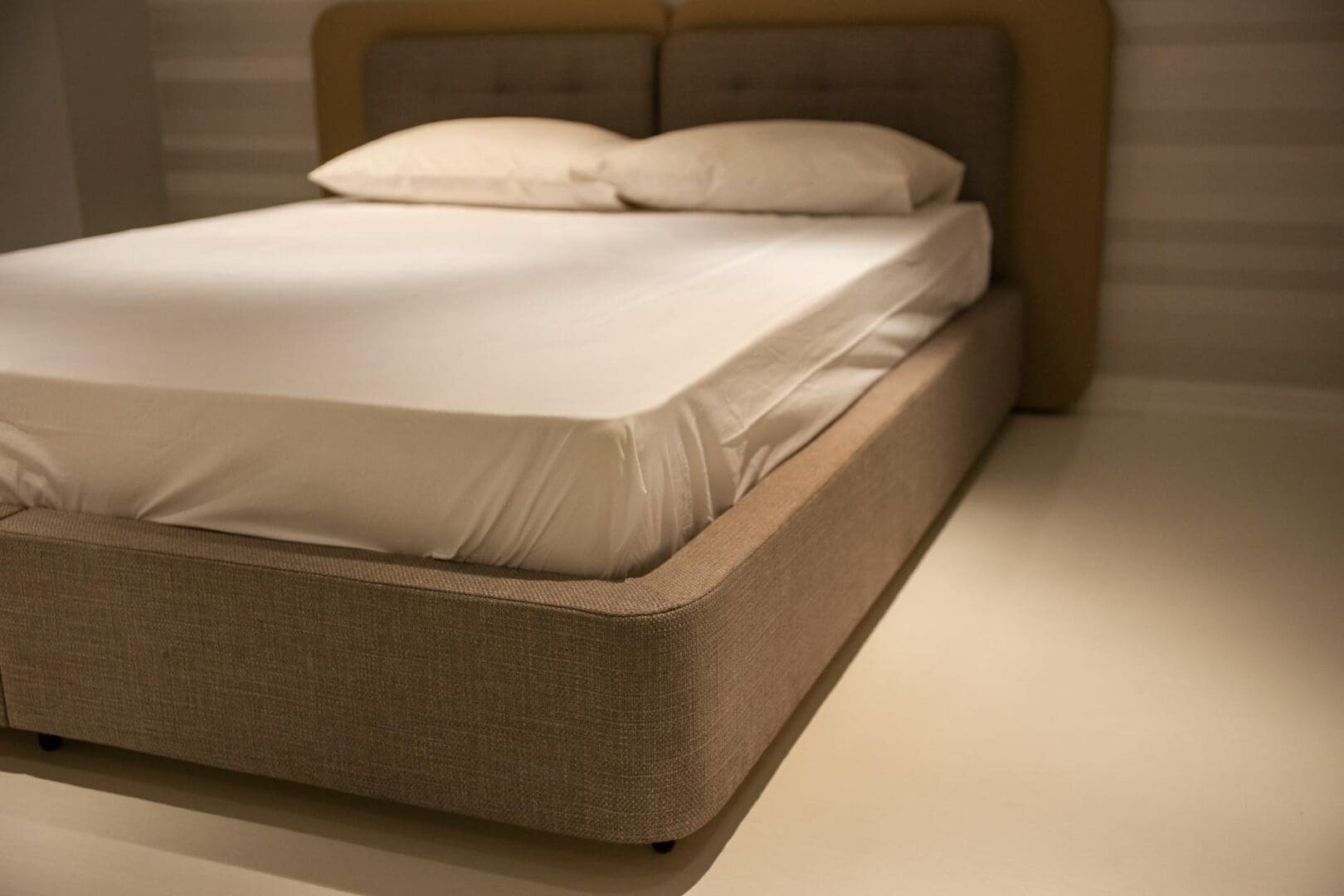
If you’re waking up drenched in sweat or constantly flipping your pillow to find the cool side, your mattress might be working against you. Heat retention is one of the most common sleep complaints, and while some mattresses trap body heat like a thermal blanket, others are specifically designed to let it escape. The good news? You don’t have to settle for uncomfortable nights anymore.
Understanding What Makes a Mattress Sleep Hot
Before you start shopping, it helps to know why some mattresses turn into heat traps. Traditional memory foam is the biggest culprit—its dense structure hugs your body but also prevents airflow, creating a pocket of trapped heat. Mattresses with thick comfort layers and minimal breathability compound the problem. If you’re a hot sleeper, you’ll want to look for materials and construction methods that actively promote cooling rather than just claiming to be “temperature neutral.”
The three factors that most impact temperature regulation are the mattress material, the cover fabric, and the internal construction. A mattress might excel in one area but fail in another, so you’ll want to evaluate all three when comparing options.
Materials That Actually Keep You Cool
Latex mattresses are naturally breathable thanks to their open-cell structure and pinhole design that promotes airflow. Natural latex, in particular, sleeps cooler than synthetic versions and resists heat retention without needing additional cooling technology. Expect to pay $1,200-$2,500 for a quality queen-size latex mattress.
Hybrid mattresses combine innerspring coils with comfort layers, and those coils create natural air channels throughout the mattress. Look for hybrids with individually wrapped coils and gel-infused or copper-infused foam layers rather than traditional memory foam. These typically range from $800-$2,000 for a queen, making them a solid mid-range option.
If you prefer memory foam, seek out newer-generation foams specifically engineered for cooling. Gel memory foam, graphite-infused foam, and open-cell memory foam all perform better than traditional varieties. Phase-change materials (PCM) absorb and release heat to maintain consistent temperature. Budget cooling memory foam mattresses start around $500, while premium options with advanced cooling tech can reach $3,000.
Construction Features to Look For
The mattress cover matters more than you’d think. Look for covers made with moisture-wicking fabrics like Tencel, bamboo-derived rayon, or specialized cooling fabrics. Some manufacturers incorporate phase-change materials directly into the cover for additional temperature regulation.
Pay attention to the comfort layer thickness. Thinner comfort layers (2-3 inches) typically sleep cooler than plush pillow-tops with 4-5 inches of foam. If you need pressure relief but tend to sleep hot, a medium-firm mattress with targeted comfort zones offers a better balance than an ultra-plush design.
Mattresses with zoned construction or channels cut into the foam layers allow for better airflow. Some manufacturers create ventilation systems with perforated foam or specialized air channels—these aren’t just marketing gimmicks when done properly.
Additional Considerations Beyond the Mattress
Even the coolest mattress needs help from your bedding. Skip the mattress pad unless it’s specifically designed for cooling—many add an insulating layer that traps heat. Look for breathable protectors made from moisture-wicking materials if you need protection.
Your sleep position also influences how hot you’ll sleep. Side sleepers typically need more cushioning, which can mean thicker comfort layers that retain heat. Stomach and back sleepers can usually go with firmer, thinner comfort layers that naturally sleep cooler. If you’re a hot-sleeping side sleeper, prioritize latex or advanced cooling foams over traditional memory foam.
Finally, consider your room environment. The coolest mattress can’t overcome a bedroom that’s 75 degrees. Aim for a room temperature between 60-67 degrees, and pair your cooling mattress with breathable sheets (cotton percale or linen work well) to maximize the temperature-regulating benefits.
Choosing a cooling mattress doesn’t mean sacrificing comfort or support. By focusing on breathable materials, smart construction, and features that actively promote airflow, you can find a mattress that keeps you comfortable all night. Your best bet is to narrow down your material preference first, then compare specific models within that category based on your budget and firmness needs.
If you’ve been hitting snooze repeatedly or dragging yourself out of bed feeling groggy, you’re not alone. Waking up to a jarring alarm in a dark room works against your body’s natural rhythms, especially during winter months. A sunrise alarm clock mimics natural dawn, gradually filling your room with light to ease you awake. But […]
Waking up at 3 a.m. with a sweaty neck and flipping your pillow to the cool side for the fourth time isn’t just annoying—it’s robbing you of quality sleep. If you’re a hot sleeper, your pillow might be trapping heat against your head and neck all night long. The good news? The right cooling pillow […]
If you’re working from home or spending hours at your desk, you’ve probably noticed that not all chairs are created equal. That bargain office chair seemed fine at first, but now your back aches by mid-afternoon. You’ve been eyeing ergonomic chairs, but with price tags that can run three to ten times higher than regular […]