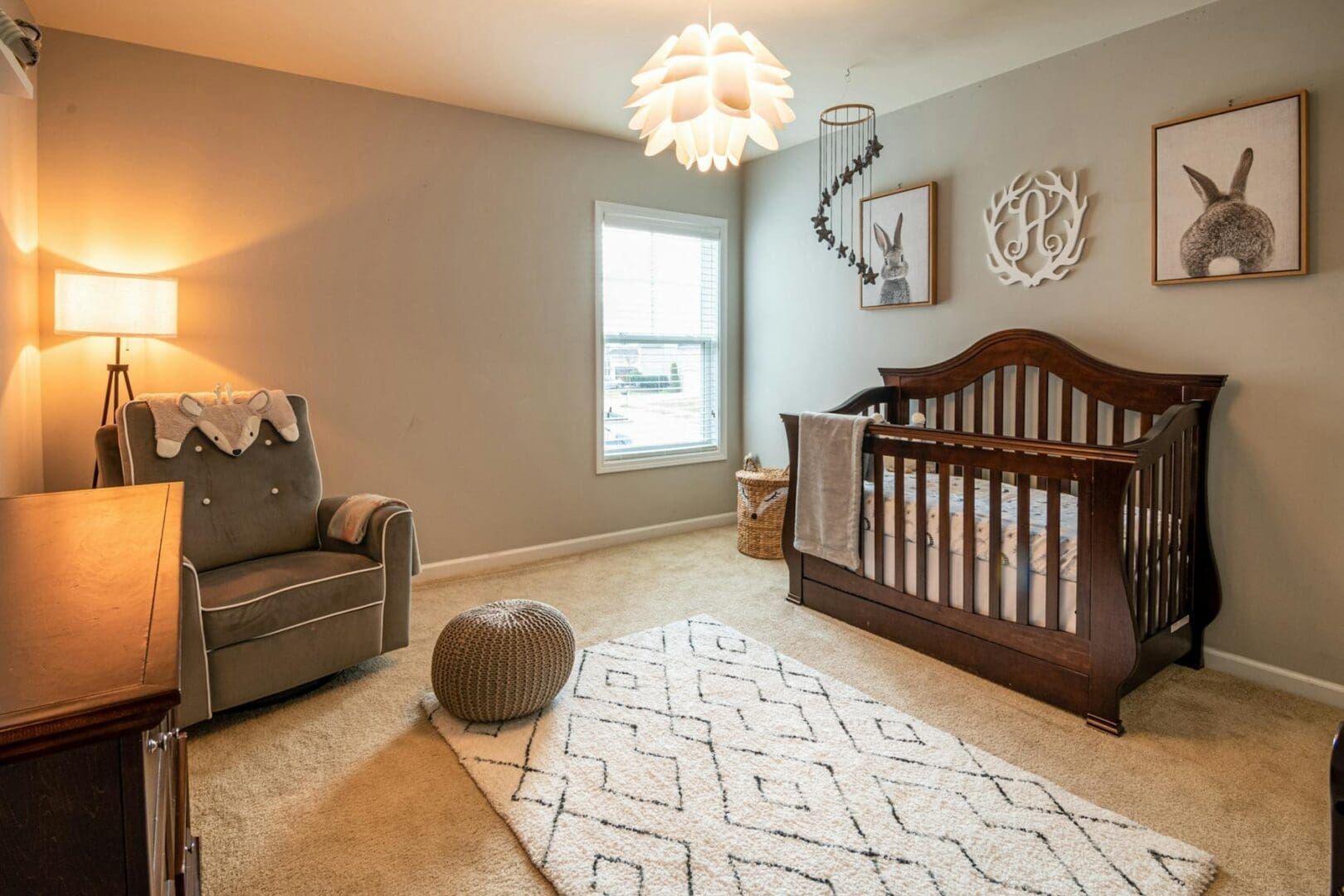
If you’re setting up a nursery, you’ve probably stumbled across cribs that promise to “grow with your child.” It sounds perfect—who wouldn’t want furniture that lasts beyond those fleeting baby months? But convertible cribs come in several varieties, with different conversion capabilities and price points. Here’s what you actually need to know to choose one that makes sense for your family.
Understanding the Types of Convertible Cribs
Not all convertible cribs are created equal. A “convertible” crib might transform into two different furniture pieces, or it might evolve through four or five stages. Here’s the breakdown:
2-in-1 cribs convert from a crib to a toddler bed. These are the most straightforward and typically the most budget-friendly option, ranging from $150 to $350.
3-in-1 cribs go from crib to toddler bed to daybed. This gives you more mileage, with prices usually between $250 and $500.
4-in-1 cribs add a full-size bed conversion, meaning you can potentially use the same piece of furniture from infancy through the teen years. Expect to spend $300 to $800.
5-in-1 cribs include all of the above plus a mini crib stage or additional configuration. These premium options typically start around $500 and can exceed $1,000.
The key question: how long do you actually plan to use it? If you’re planning on multiple children or want furniture that truly lasts a decade or more, a 4-in-1 makes financial sense. If you like refreshing your decor every few years, a simpler 2-in-1 or 3-in-1 might be the smarter buy.
What Comes With the Crib (and What Doesn’t)
Here’s where convertible cribs can surprise first-time parents: many don’t include everything you need for each conversion stage. Most cribs come with the toddler guardrail, but the full-size bed conversion kit is often sold separately—sometimes for $100 to $200 extra. Before you buy, check what’s included in the box and what you’ll need to purchase later.
You’ll also want to confirm the conversion rail is still available for purchase. Some manufacturers discontinue parts for older models, which could leave you stuck if you wait several years to convert. Choosing an established brand with a strong track record helps protect this investment.
Safety Standards and Construction Quality
Every crib sold in the U.S. must meet CPSC safety standards, but that’s your baseline—not your only consideration. Look for cribs certified by JPMA (Juvenile Products Manufacturers Association) for an extra layer of vetting.
Pay attention to construction details that indicate longevity. Solid wood cribs (maple, beech, or birch) hold up better than those made primarily from engineered wood or MDF. Check that the slats are sturdy and evenly spaced. The mattress support should adjust to multiple heights—typically three or four positions—which matters for both infant safety and your back as your baby grows.
Also consider the conversion mechanism itself. Some cribs require you to remove the front panel and add a guardrail for the toddler bed stage. Others have more complex hardware. Read customer reviews specifically about the conversion process—if multiple people mention stripped screws or confusing instructions, that’s your red flag.
Style Choices That Stand the Test of Time
Since you’re potentially living with this piece for years, think beyond nursery themes. Those adorable carved details or trendy colors might feel dated when your three-year-old is obsessed with dinosaurs instead of the clouds-and-stars theme you started with.
Classic styles in neutral finishes—white, gray, natural wood, or espresso—transition more easily as your child’s room evolves. Sleigh-style and modern minimalist cribs with clean lines tend to age particularly well. Mission-style cribs with simple slats also work in both nurseries and big-kid rooms.
Storage is another consideration. Some convertible cribs include attached changing tables or built-in drawers. These add functionality in the nursery but may feel juvenile in a toddler or teen room, so think about whether that matters to you.
Making Your Decision
A convertible crib is one of those rare nursery purchases that can genuinely save you money and hassle down the road—but only if you choose one that fits your actual needs and budget. Focus on solid construction, verify what’s included with each conversion stage, and pick a style you’ll still like in five years. The right convertible crib should feel less like a compromise and more like a smart foundation for a room that grows alongside your child.
You need more storage in your living room, but a bulky bookcase feels too heavy and floating shelves aren’t cutting it. A credenza might be exactly what you’re looking for—it’s that low-profile cabinet that gives you tons of hidden storage while creating a beautiful surface for lamps, plants, and the things you actually want to […]
If you’ve been hitting snooze repeatedly or dragging yourself out of bed feeling groggy, you’re not alone. Waking up to a jarring alarm in a dark room works against your body’s natural rhythms, especially during winter months. A sunrise alarm clock mimics natural dawn, gradually filling your room with light to ease you awake. But […]
Waking up at 3 a.m. with a sweaty neck and flipping your pillow to the cool side for the fourth time isn’t just annoying—it’s robbing you of quality sleep. If you’re a hot sleeper, your pillow might be trapping heat against your head and neck all night long. The good news? The right cooling pillow […]