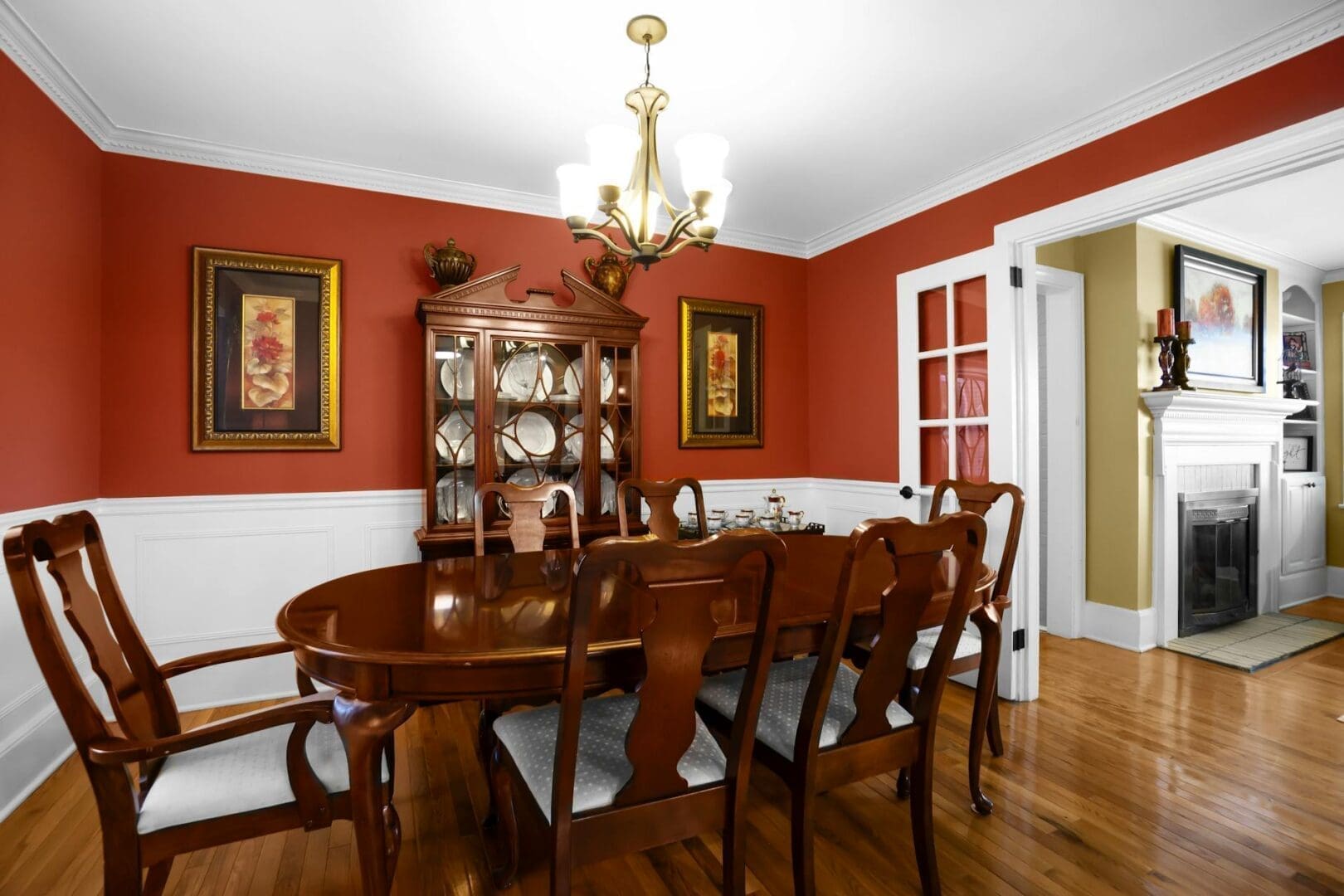
There’s something special about a china cabinet that elevates a dining room from ordinary to elegant. Whether you’ve inherited your grandmother’s porcelain, started collecting pottery, or simply want a sophisticated way to store your everyday dishes, the right cabinet becomes both storage and showpiece. But with options ranging from traditional mahogany towers to sleek modern displays, finding the one that works for your space and needs takes some thought.
Getting the Size Right
Before you fall in love with a particular style, you need to know what will actually fit in your space. Measure your wall carefully, accounting for baseboards, outlets, and any nearby furniture. A good rule: leave at least 30 inches of clearance between your dining table and the cabinet so chairs can pull out comfortably.
China cabinets typically come in three sizes. Corner units (around 30-36 inches wide) work beautifully in smaller rooms or awkward spaces. Standard cabinets run 40-48 inches wide and suit most dining rooms. Large display cabinets (60+ inches) make a statement but need ample wall space and higher ceilings to avoid overwhelming the room. Consider height too—an 80-inch cabinet in a room with 8-foot ceilings can feel cramped, while a 72-inch piece leaves breathing room.
Storage Configuration and Display Features
Think about what you’re actually storing. If you have full dinner sets plus serving pieces, you’ll need cabinets with adjustable shelves and deeper lower storage. Look for pieces with at least three fixed or adjustable shelves behind glass doors, plus closed storage below for less decorative items like table linens or extra glassware.
The details matter more than you’d think. Interior lighting transforms a cabinet from storage into display—LED strips or puck lights show off your pieces beautifully. Mirrored backs reflect light and make collections look fuller. Glass shelves create an open, airy feel, while wood shelves offer a more traditional look and better support for heavier items. If you’re displaying valuable pieces, look for cabinets with locks and tempered glass.
Consider door styles too. Traditional hinged doors with mullions (those decorative dividers in the glass) create classic appeal. Sliding doors save space in tighter rooms, though they limit how much you can see at once. Some contemporary designs skip upper doors entirely for an open display.
Materials and Construction Quality
China cabinets represent a real investment, so construction quality matters. Solid wood cabinets in cherry, oak, or mahogany run $1,200-$3,500 and will last decades. Look for dovetail joints in drawers, solid wood frames, and real wood veneer (not paper-thin laminate).
Mid-range options ($600-$1,200) often combine wood frames with quality veneers or wood composites. These can be excellent values if well-constructed—check that doors close smoothly, shelves are thick enough not to bow, and the finish is even without drips or rough spots.
Budget-friendly cabinets under $600 typically use manufactured wood and simpler construction. They work fine for lighter items and shorter-term needs, but expect less durability. Pay special attention to weight limits on shelves and overall stability.
Style That Works With Your Room
Your cabinet should feel like it belongs. Traditional cabinets feature rich wood tones, curved lines, ornate hardware, and decorative crown molding—perfect for formal dining rooms with classic furniture. Transitional pieces blend traditional proportions with cleaner lines and simpler details, bridging formal and casual spaces beautifully.
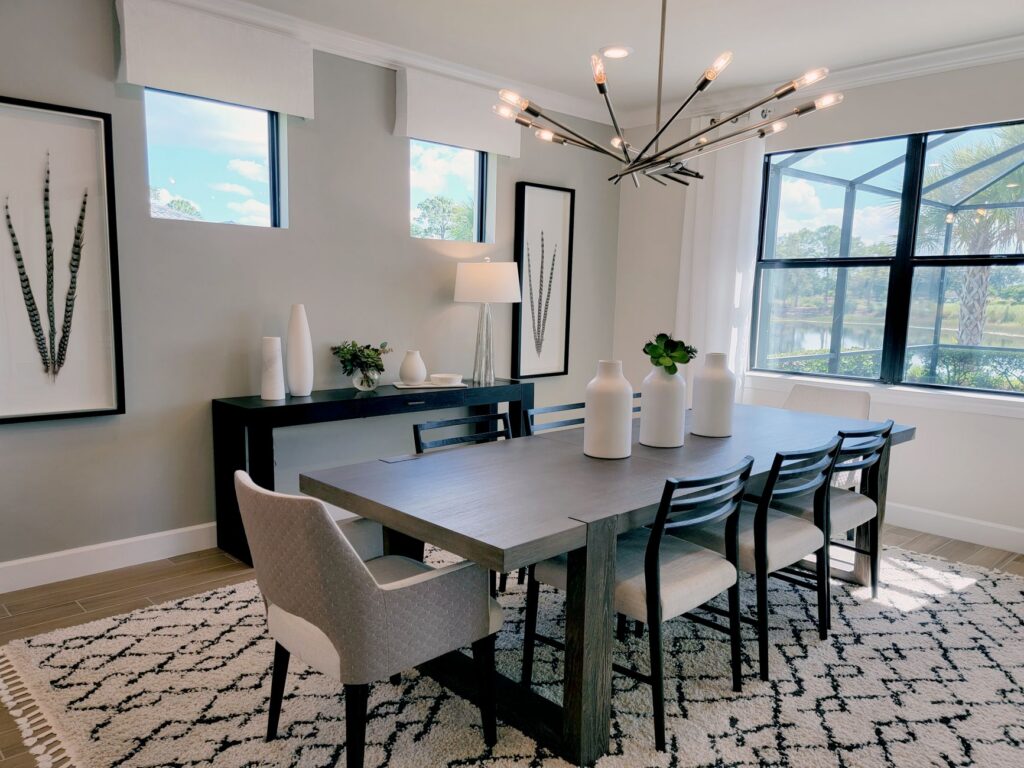
Modern and contemporary cabinets embrace minimalism with straight lines, frameless glass, and materials like metal and lacquered wood. These work especially well in open-concept spaces or when you want the displayed items to be the stars. Farmhouse-style cabinets with distressed finishes, visible wood grain, and simple hardware suit casual, relaxed dining spaces.
Don’t feel locked into matching your dining table exactly—a cabinet in a complementary wood tone or contrasting style can add welcome visual interest.
Choosing a china cabinet comes down to balancing practical needs with personal style. Measure twice, think about what you’ll actually store, invest in quality construction that fits your budget, and pick a style that makes you happy every time you walk into your dining room. The right cabinet won’t just hold your dishes—it’ll showcase the pieces you love and anchor your entire dining space.
A sputnik chandelier makes a serious statement in a dining room—all those radiating arms and exposed bulbs create instant drama and mid-century appeal. But with so many variations in size, arm count, and finish, choosing the right one for your space can feel overwhelming. Get it right, though, and you’ve got a showstopper that pulls […]
When every square foot counts, bringing furniture into a small apartment feels like a high-stakes game of Tetris. You need storage desperately, but you’re terrified of making your space feel even more cramped. A sideboard can be the perfect solution—if you choose the right one. Let’s walk through exactly what to look for so you […]
Hallways are the overlooked workhorses of our homes—they connect every room, but rarely get the storage love they deserve. A well-chosen sideboard transforms that narrow stretch of wall into genuinely useful space without making your hallway feel like an obstacle course. The trick is finding one that fits the proportions of the room while actually […]