Your bed is the focal point of your bedroom, and the headboard sets the entire tone. But walk into any furniture store or scroll through options online, and you’ll quickly realize there are hundreds of styles to choose from. Upholstered or wood? Tall and dramatic or low and minimal? The right headboard can transform your space from basic to beautiful, while the wrong one might leave you with buyer’s remorse.
Let’s walk through what matters most when choosing a headboard that works for your bedroom and your lifestyle.
Consider Your Bedroom’s Style and Architecture
Your headboard should feel like a natural extension of your room, not something that landed there by accident. Take a good look at your bedroom’s existing style before you commit to anything.
If you have a traditional bedroom with crown molding and classic furniture, a wooden headboard with carved details or a button-tufted upholstered style will feel right at home. Think rich wood tones in cherry or mahogany, or a linen-upholstered piece with nailhead trim. These typically run $300-$800 for quality pieces, with custom upholstered options climbing to $1,500 or more.
For modern or contemporary spaces, consider clean-lined headboards in simple geometric shapes. Metal headboards with sleek finishes, low-profile platform styles, or upholstered panels without fussy details work beautifully here. You can find solid options starting around $200-$400 for metal or simple upholstered styles.
Rustic or farmhouse bedrooms call for reclaimed wood headboards, shiplap styles, or weathered finishes. These have gotten incredibly popular and range from $250 for basic designs to $1,000+ for custom reclaimed wood pieces.
Pick the Right Height for Your Space
Headboard height dramatically affects how your bedroom feels, and it’s one of the most common mistakes people make when shopping.
Standard headboards sit about 48-52 inches from the floor, which puts them roughly 24 inches above a standard mattress. This works well for most bedrooms with 8-foot ceilings and creates a balanced look without overwhelming the space.
Tall headboards (60-72 inches or more) make a dramatic statement and work beautifully in rooms with high ceilings or large wall spaces. They’re particularly effective behind king-sized beds, where you need that extra visual weight. Just make sure you have at least 12-18 inches of clearance between the top of the headboard and your ceiling, or it’ll feel cramped.
Low-profile headboards (under 40 inches) create a more casual, minimalist look. They’re perfect for rooms with lower ceilings, smaller spaces, or when you want the focus on other design elements like wall art or a dramatic light fixture.
Choose Materials Based on Comfort and Maintenance
How you use your bed matters when selecting headboard materials.
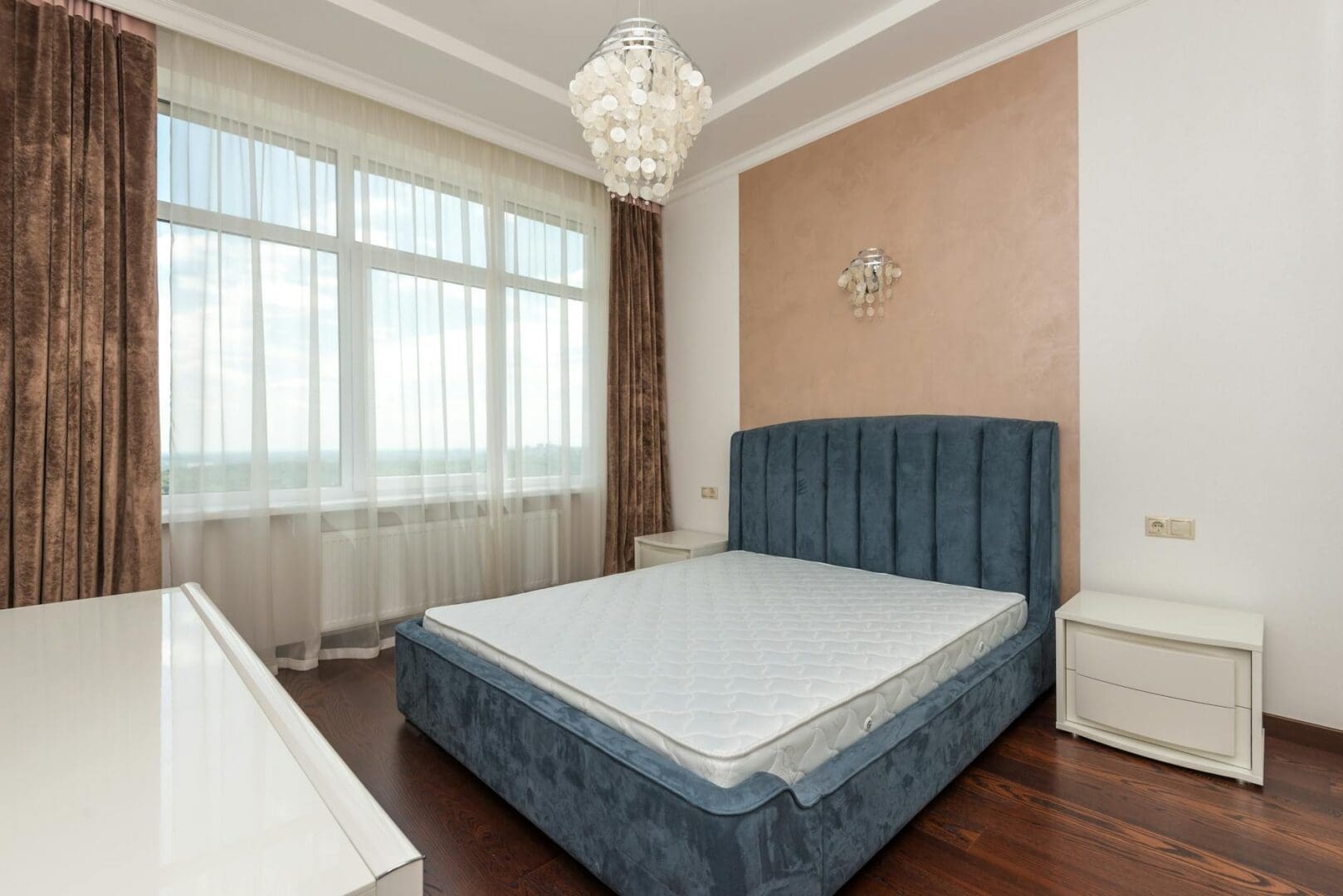
Upholstered headboards are the most popular choice right now, and for good reason. They’re comfortable if you like sitting up in bed to read or watch TV, and they add softness and warmth to a room. Linen and performance fabrics are practical choices that resist staining and wear. Velvet looks luxurious but shows wear more quickly. Expect to pay $300-$600 for mid-range upholstered headboards, with high-end options reaching $1,200+.
Wood headboards bring natural warmth and tend to be incredibly durable. They work with almost any bedding style and age gracefully. The downside? They’re not comfortable to lean against. Solid wood headboards in quality hardwoods typically range from $400-$1,000.
Metal headboards are often the most budget-friendly option ($150-$400) and work well in modern or industrial spaces. Wrought iron or brass finishes add character, while powder-coated steel offers durability and easy maintenance.
Cane, rattan, and woven materials have made a comeback for their textural interest and casual coastal vibe. These usually fall in the $300-$700 range and pair beautifully with natural fiber rugs and organic bedding.
Think About Attachment and Flexibility
One practical consideration many people overlook: how the headboard attaches and whether you can take it with you if you upgrade your mattress later.
Freestanding headboards sit behind your bed frame and aren’t attached to anything. They offer maximum flexibility if you change bed frames or mattress sizes, though they can shift around if you’re not careful.
Frame-mounted headboards attach directly to your bed frame with brackets. They’re stable and secure, but you’re locked into that bed frame. If you buy a new frame down the road, you’ll need to make sure your headboard is compatible.
Wall-mounted headboards attach directly to the wall like a piece of furniture. They float independently of your bed, which gives you flexibility to change bed frames and creates a custom, built-in look. Just know that installation requires finding studs and using proper anchors.
The headboard you choose shapes how your entire bedroom looks and feels every single day. Take measurements of your space, consider how you actually use your bed, and pick a style that makes you happy when you walk into the room. Whether you go for a budget-friendly metal frame or splurge on a custom upholstered piece, the right headboard is the one that makes your bedroom feel complete.
Shopping for a dresser for your child’s room feels different than buying one for yourself. You’re not just thinking about today—you’re wondering if it’ll survive the toddler years, hold up through elementary school, and maybe even make it to the teenage bedroom. The good news? With the right approach, you can find a dresser that […]
You’ve found the perfect bed frame, but now your old dresser looks completely out of place. Or maybe you’re starting fresh and wondering whether you need to buy a matching bedroom set. The truth is, coordinating your dresser and bed frame isn’t about finding exact matches—it’s about creating visual harmony through smart choices about style, […]
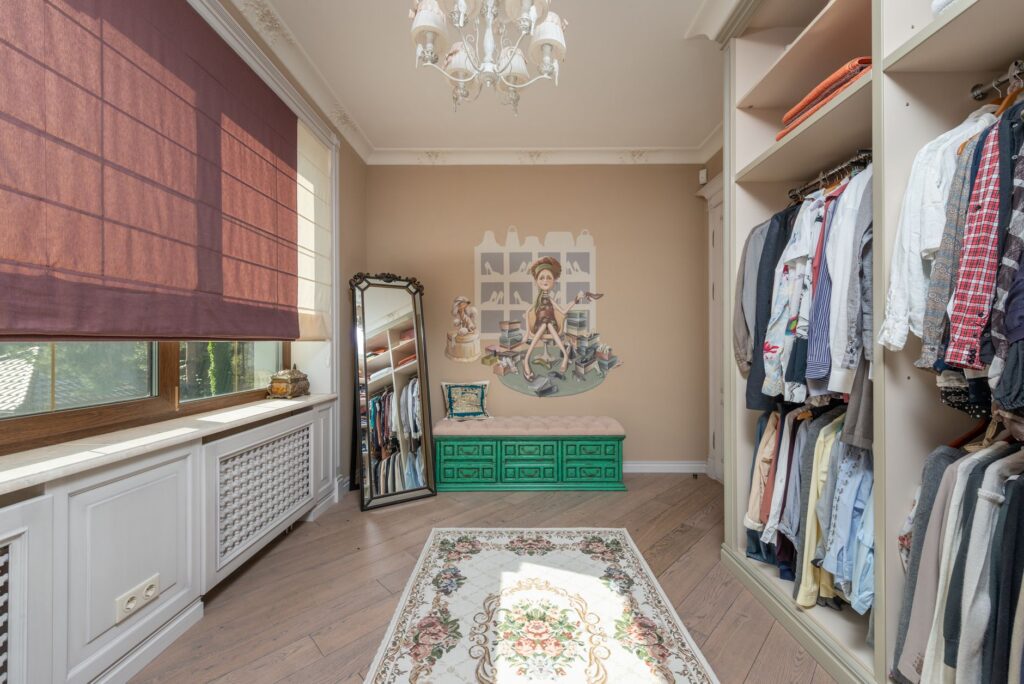
Adding a dresser to your walk-in closet can transform it from a simple hanging space into a fully functional dressing room. But unlike choosing a dresser for your bedroom, closet dressers have different requirements—they need to fit within existing dimensions, complement built-in systems, and maximize storage without creating obstacles. Whether you’re designing a new closet […]