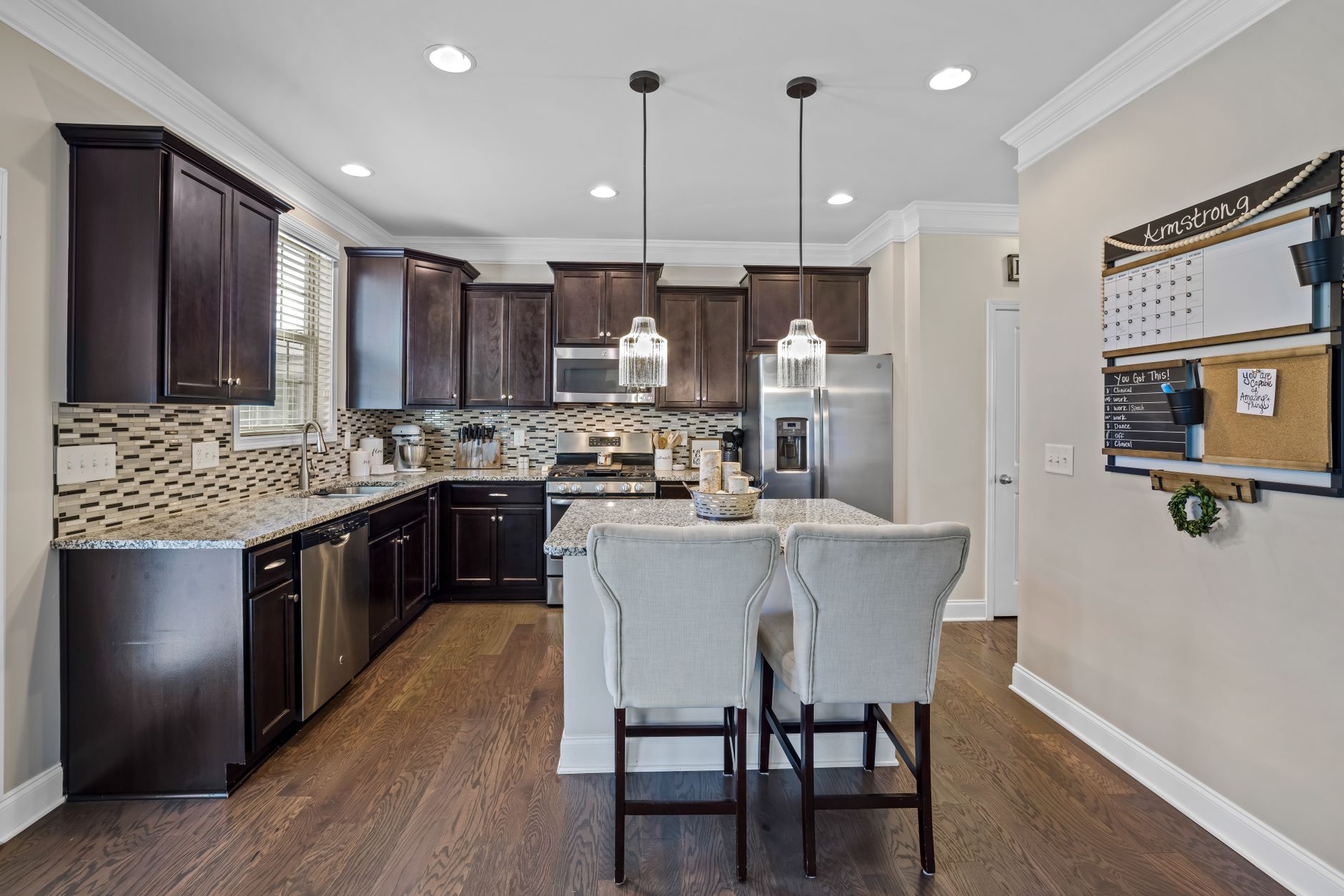
Dark kitchens—whether they feature rich espresso cabinets, moody charcoal walls, or black granite countertops—create incredible drama and sophistication. But they also present a unique challenge when it comes to choosing bar stools. Pick the wrong ones, and your beautiful space can feel cave-like or visually heavy. Choose wisely, and your stools become the bright spot that makes the whole room sing.
Color Choices That Open Up the Space
The most impactful decision you’ll make is color. In a dark kitchen, your bar stools are an opportunity to introduce light and create visual breathing room.
Light neutrals are your best friend here. Crisp white, soft cream, warm beige, and light gray stools immediately brighten the space by reflecting whatever natural or artificial light you have. They create contrast against dark cabinetry and counters, helping define your seating area rather than letting it disappear into the shadows.
Natural wood tones in lighter finishes—think oak, ash, or maple—bring warmth without adding weight. They work especially well in kitchens with dark cabinets but lighter countertops, creating a balanced middle ground.
If you’re drawn to metallics, embrace them. Brushed gold, brass, polished chrome, or even copper-finish bar stools catch and reflect light beautifully. They add a jewelry-like quality that elevates the whole space. Look for stools with metal frames paired with light upholstered seats for the best of both worlds.
Can you go dark? Sure, but be strategic. If your countertops are light marble or quartz, dark stools can work as an accent. Or choose dark stools with enough visual interest—like cutout backs or mixed materials—that they don’t just blend into the background.
Material and Finish Considerations
Beyond color, the materials themselves affect how light moves through your kitchen.
Upholstered seats in light fabrics—linen, cotton, or performance velvet—add softness and reflectivity. Budget options start around $150-200 per stool for basic upholstered designs, while mid-range pieces ($300-500) often feature higher-quality fabrics and better cushioning. Splurge-worthy upholstered stools ($600+) typically offer designer fabrics, superior construction, and more refined details.
Cane, rattan, and woven materials are having a moment, and for good reason in dark kitchens. These natural textures are typically light in color and allow light to filter through their open weave. They add organic warmth without visual bulk.
Avoid heavy, solid materials in dark finishes—a chunky all-wood stool in walnut or a solid black metal design will absorb light rather than bounce it around. If you love wood, look for styles with spindle backs, open frames, or ladder-back designs that keep things airy.
Transparent materials like acrylic or ghost-style stools can work brilliantly in contemporary dark kitchens. They essentially disappear, taking up zero visual weight while providing functional seating.
Style That Complements Your Dark Palette
Your style choice should enhance, not fight against, the sophistication of your dark kitchen.
Modern and contemporary spaces with dark cabinetry look stunning with clean-lined stools in light upholstery or mixed materials. Think slim metal frames with cream leather seats, or minimalist designs with light wood and black accents.
Traditional dark kitchens benefit from classic silhouettes in lighter finishes—turned legs in painted white or cream, cross-back designs in natural oak, or English-inspired stools with light linen seats and nailhead trim.
For transitional kitchens, consider stools that bridge both worlds: simple shapes with subtle details, neutral colors with one metallic accent, or streamlined profiles with just a touch of tufting or texture.
Industrial-style dark kitchens can handle metal stools beautifully, especially in lighter metallic finishes or with distressed wood seats in lighter tones. The key is ensuring there’s enough contrast and that the metal reflects rather than absorbs light.
Practical Features for Daily Living
Don’t get so caught up in aesthetics that you forget functionality—especially in a kitchen where stools see daily use.
Backrests and footrests make a significant difference in comfort for longer sitting sessions. In a dark kitchen where you want to maximize light reflection, look for open-back designs rather than solid backs that block sightlines and light.
Swivel functions add convenience, especially for island seating where people enter and exit frequently. Just make sure the swivel mechanism is sturdy—cheaper versions can become wobbly over time.
Seat height matters tremendously, so measure your counter height before shopping. Counter-height stools (24-26 inches) work for 36-inch counters, while bar-height stools (28-30 inches) suit 40-42 inch surfaces. Getting this wrong means uncomfortable seating no matter how beautiful the stools.
Consider maintenance, too. Light-colored upholstery shows spills and stains more readily than dark fabrics, so look for performance fabrics or treated materials if you have kids or entertain frequently. Leather and faux leather in light tones clean easily and develop a beautiful patina over time.
Choosing bar stools for a dark kitchen is ultimately about balance—you’re looking for pieces that brighten and open the space while still feeling cohesive with your overall design. Light colors, reflective materials, and thoughtful details will transform your stools from simple seating into the luminous accents your dark kitchen needs. Take your time, consider how much use they’ll get, and don’t be afraid to mix a practical seat with a little glamour.
What color bar stools look best in a dark kitchen?
Light-colored bar stools in white, cream, light gray, or natural wood tones work best in dark kitchens because they create visual contrast and reflect available light. Metallic finishes like brushed gold or polished chrome also help brighten the space while adding a touch of elegance.
Should I choose light or dark bar stools for dark cabinets?
Light bar stools are generally the better choice for dark cabinets as they prevent the space from feeling too heavy or cave-like. The contrast helps define your seating area and makes the kitchen feel more open and inviting.
What materials brighten a dark kitchen?
Materials with reflective or light qualities work best, including light-colored upholstery, natural cane or rattan, pale wood finishes, and metal frames in chrome, brass, or gold. Glass or acrylic elements can also help light pass through the space rather than absorbing it.
Can I use black bar stools in a dark kitchen?
You can use black bar stools in a dark kitchen if you balance them with lighter elements like pale countertops, light-colored seats, or metallic accents on the stools themselves. All-black stools in an already dark space can make the room feel smaller and more closed-in.
How many bar stools do I need for a kitchen island?
Plan for 24-30 inches of counter space per bar stool to ensure comfortable seating. For a standard 6-foot island, you can typically fit 2-3 stools, while an 8-foot island accommodates 3-4 stools comfortably.
Hallways are the overlooked workhorses of our homes—they connect every room, but rarely get the storage love they deserve. A well-chosen sideboard transforms that narrow stretch of wall into genuinely useful space without making your hallway feel like an obstacle course. The trick is finding one that fits the proportions of the room while actually […]
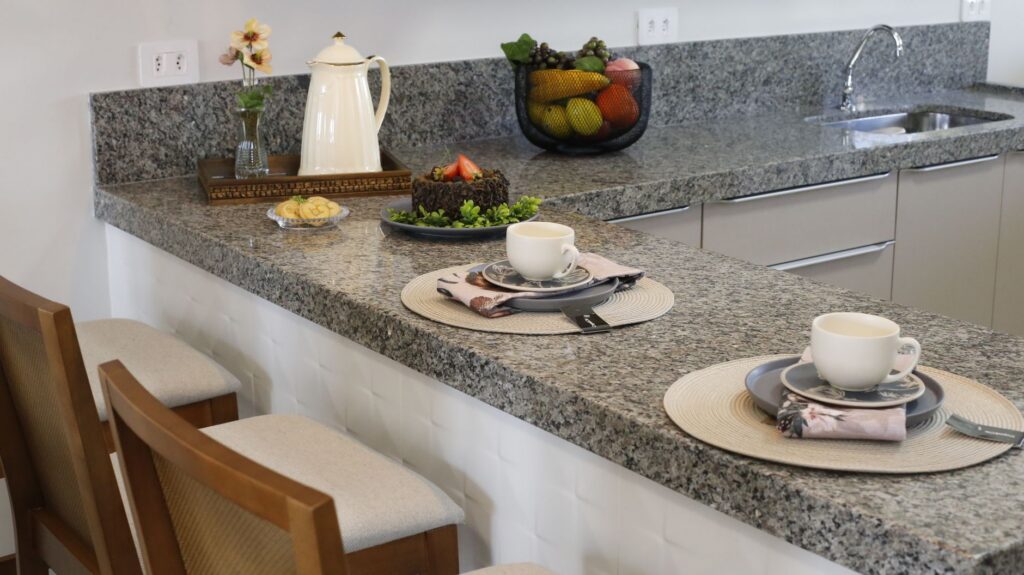
Your kitchen peninsula is prime real estate—it’s where morning coffee happens, where kids do homework while you’re prepping dinner, and where guests naturally gather during parties. Getting the right bar stools makes all the difference between a peninsula that feels welcoming and one that sits empty. But with so many options for height, style, and […]
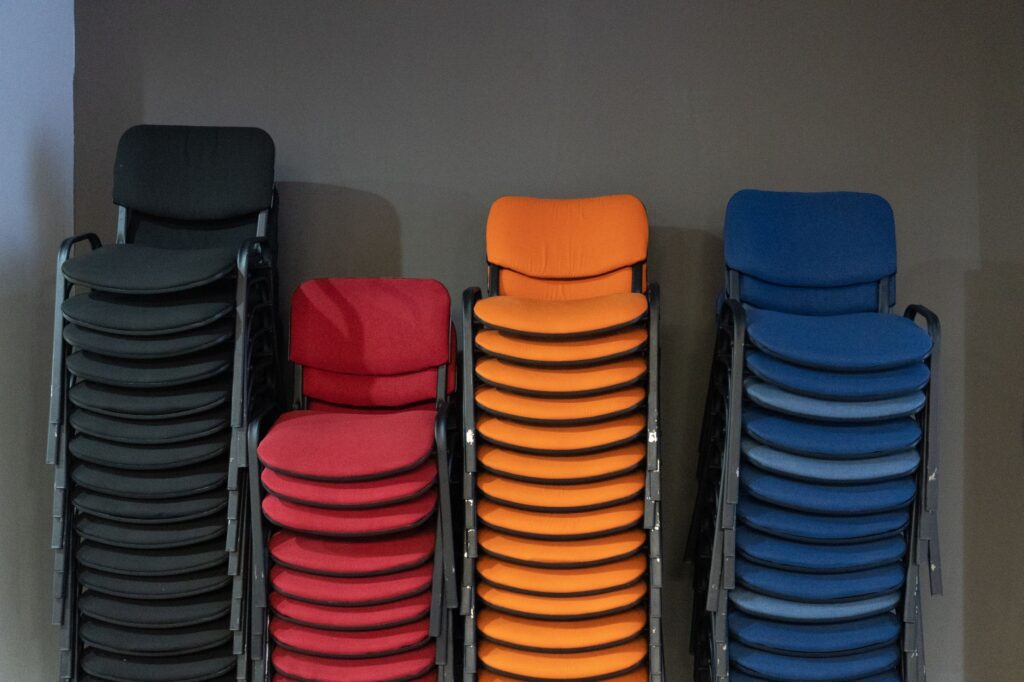
Living in a small space doesn’t mean you can’t host dinner parties or family gatherings. The challenge is where to put those extra chairs when they’re not in use. Stackable dining chairs solve this problem beautifully, giving you flexible seating that disappears into a closet, corner, or even under a bed when you need your […]