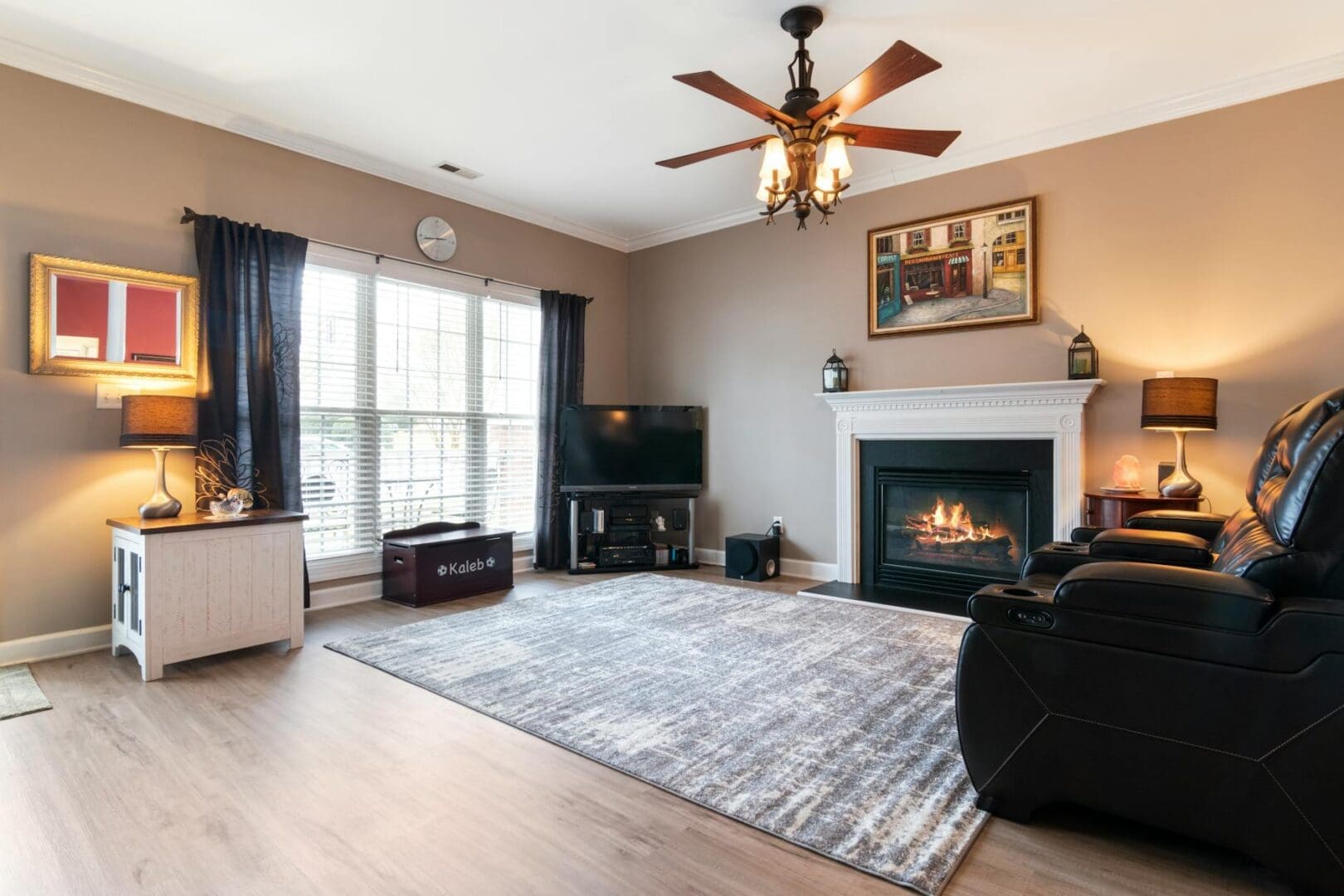
Nothing makes a room feel more pulled-together than a well-sized area rug. But get the proportions wrong, and even the most beautiful rug can make your space feel awkward or cramped. The good news? There are some pretty straightforward guidelines that take the guesswork out of choosing the right size.
Why Rug Size Matters More Than You Think
A rug that’s too small can make your furniture look like it’s floating in space, while one that’s too large might overwhelm the room or awkwardly bump up against walls and doorways. The right size creates visual balance, defines your space, and makes everything feel intentional.
Here’s the general rule: your rug should be large enough to anchor your furniture arrangement. In most rooms, that means at least the front legs of your major pieces should rest on the rug. Going bigger and fitting all furniture legs on the rug works beautifully too, especially in spacious rooms.
Living Room Rug Sizing: The Main Event
Your living room is where rug sizing matters most, since it’s typically your largest furniture grouping. For most living rooms, you’re looking at these standard sizes:
5′ x 8′ or 6′ x 9′: Works for smaller spaces or when you want just the coffee table and front furniture legs on the rug. Budget-friendly option at $150-$400.
8′ x 10′ or 9′ x 12′: The sweet spot for most living rooms. Large enough to fit all front legs of sofas and chairs, with the coffee table centered. Expect $400-$1,200 depending on material.
10′ x 14′ or larger: For spacious rooms where you want all furniture legs on the rug. This creates the most cohesive look but runs $800-$2,500+.
Leave at least 12-18 inches of bare floor between your rug edge and the walls. This breathing room actually makes the room feel larger, not smaller.
Bedroom Rug Guidelines That Actually Work
In bedrooms, you want enough rug extending beyond the bed so you’re stepping onto something soft when you get up. The most common approaches:
Place a large rug (8′ x 10′ or 9′ x 12′) so it sits under the bottom two-thirds of your bed, extending 18-24 inches on either side and at the foot. This works great for queen and king beds and typically costs $350-$1,000.
Alternatively, use runner rugs on either side of the bed—two 3′ x 8′ or 3′ x 10′ runners give you that soft landing spot at a lower price point of $100-$300 each. This approach works especially well in smaller bedrooms.
For a twin or full bed in a kid’s room or guest room, a 5′ x 8′ or 6′ x 9′ rug usually does the trick, positioned under the lower half of the bed.
Dining Room Dimensions: Room to Pull Out Chairs
Here’s where people most often buy too small. Your dining rug needs to be large enough that chairs remain on the rug even when pulled out for sitting—that means extending at least 24 inches beyond the table on all sides where chairs are placed.
For a standard 6-8 person rectangular table (around 36″ x 72″), you need at minimum an 8′ x 10′ rug, though 9′ x 12′ is better. Round tables that seat 4-6 people work well with an 8′ round rug. Expect to invest $400-$1,500 for dining room rugs since they need to handle heavy traffic and occasional spills—look for durable, low-pile options or easy-clean materials.
If your dining area is part of an open floor plan, your rug helps define the zone, so going larger rather than smaller creates better visual separation.
Getting It Right the First Time
Before you buy, tape out the dimensions on your floor with painter’s tape. Live with it for a day or two. Does it feel balanced? Do you have enough clearance around furniture? This simple step prevents expensive mistakes.
Remember that standard rug sizes exist for a reason—they’re widely available and competitively priced. Custom sizes cost significantly more and take longer to arrive. Working within standard dimensions (5×8, 6×9, 8×10, 9×12) gives you the best selection and value.
When in doubt, size up. A slightly larger rug almost always looks better than one that’s too small, and it gives you flexibility if you rearrange furniture down the road.
You need more storage in your living room, but a bulky bookcase feels too heavy and floating shelves aren’t cutting it. A credenza might be exactly what you’re looking for—it’s that low-profile cabinet that gives you tons of hidden storage while creating a beautiful surface for lamps, plants, and the things you actually want to […]
If you’ve been hitting snooze repeatedly or dragging yourself out of bed feeling groggy, you’re not alone. Waking up to a jarring alarm in a dark room works against your body’s natural rhythms, especially during winter months. A sunrise alarm clock mimics natural dawn, gradually filling your room with light to ease you awake. But […]
Waking up at 3 a.m. with a sweaty neck and flipping your pillow to the cool side for the fourth time isn’t just annoying—it’s robbing you of quality sleep. If you’re a hot sleeper, your pillow might be trapping heat against your head and neck all night long. The good news? The right cooling pillow […]