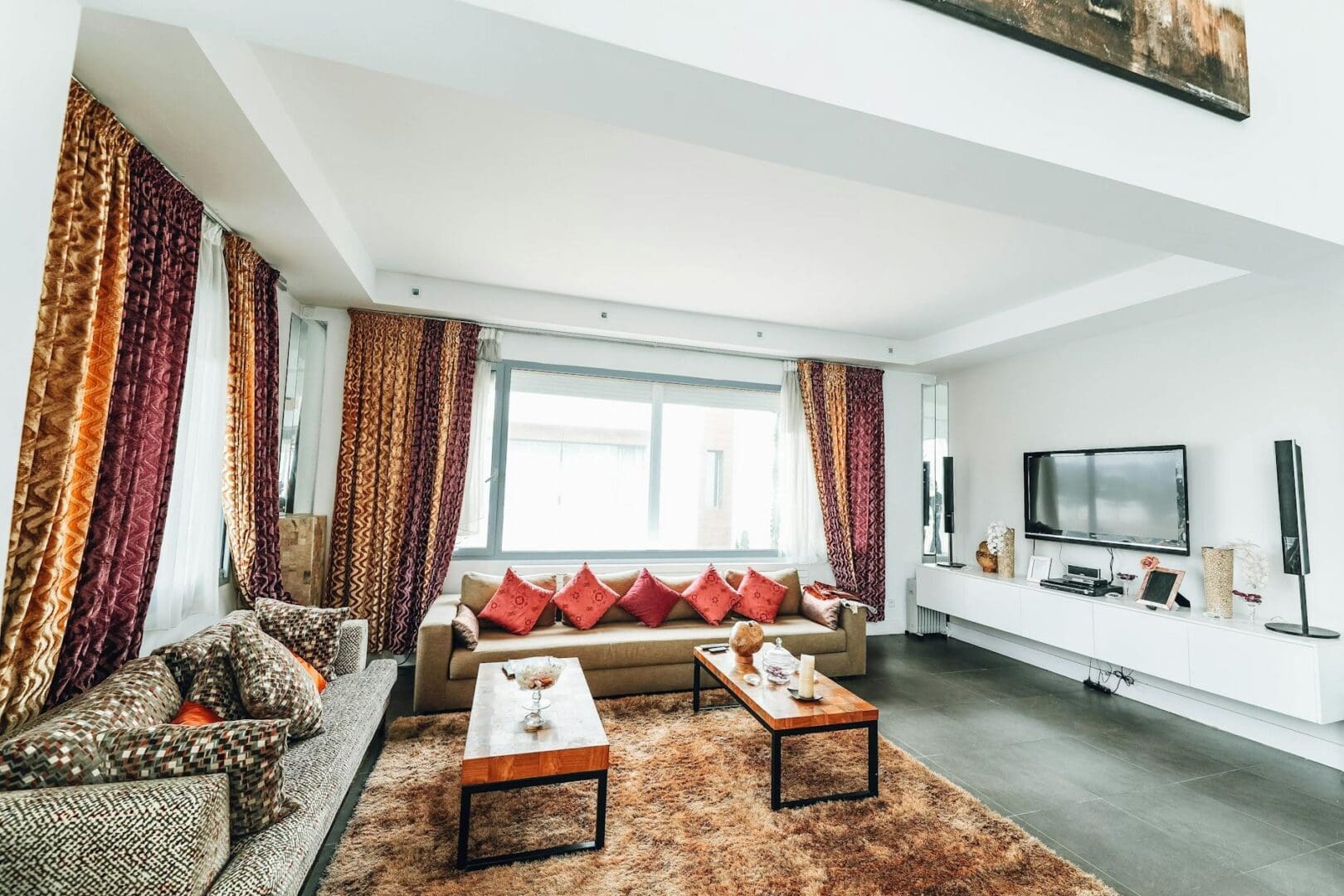
Ever wonder why some living rooms feel instantly inviting while others seem awkward, no matter how beautiful the furniture? The secret isn’t expensive pieces—it’s strategic arrangement. Professional designers follow specific principles when placing furniture, and once you understand these guidelines, you can create a polished, functional space that rivals any showroom.
Start With a Focal Point
Every well-designed living room needs an anchor—something that naturally draws the eye when you enter the space. This could be a fireplace, a large window with a view, built-in shelving, or even a media center. Once you’ve identified your focal point, arrange your main seating to face it or relate to it directly.
If your room lacks an obvious focal point, create one. A large piece of art, a statement media console, or an accent wall can serve this purpose. Position your sofa to engage with this element, then build your furniture arrangement outward from there. This creates visual order and gives your room a sense of intentionality that designer spaces always have.
Create Conversation Areas
Designers know that pushing all furniture against the walls actually makes a room feel smaller and less intimate. Instead, pull furniture pieces away from the walls to create defined conversation zones. Your sofa and chairs should be close enough that people can comfortably chat without raising their voices—typically 8 to 10 feet apart at maximum.
Arrange seating in a U-shape or L-shape configuration when possible. This encourages interaction and creates a natural flow. If you have a large living room, consider creating two separate seating areas rather than one sprawling arrangement that leaves awkward gaps. Each zone should feel purposeful and complete on its own.
Balance Function and Traffic Flow
A beautiful room that’s difficult to navigate isn’t well-designed. Walk through your space and ensure you have clear pathways at least 30 inches wide for major traffic routes. People should be able to move from one doorway to another without doing an obstacle course around furniture.
Think about how you actually use the space. If you watch TV regularly, ensure every seat has a good viewing angle. If you entertain often, make sure there’s surface space within reach of each seat for drinks and snacks. Here are key functional considerations:
Place side tables or a coffee table within easy reach of all seating (about 18 inches from the sofa is ideal)
Leave at least 14-18 inches between a coffee table and seating for legroom
Position lamps where you’ll actually use them for reading or tasks
Ensure outlets are accessible for electronics without running cords across walkways
Use Rugs to Define and Anchor
One of the biggest mistakes in furniture arrangement is using a rug that’s too small. An area rug should be large enough that at least the front legs of all your main seating pieces rest on it—or better yet, all legs of all furniture in your conversation area. This visually anchors the grouping and makes the space feel cohesive and intentional.
The rug essentially defines your seating zone, so choose a size that encompasses your entire furniture arrangement with at least 6-12 inches of rug extending beyond the furniture on all sides. In large rooms, this principle helps break up the space into purposeful areas rather than one undefined expanse.
Final Touches That Make the Difference
Once your major pieces are in place, step back and assess the balance. Designers think about visual weight—distributing large and small pieces, dark and light elements, around the room so no single area feels too heavy or too sparse. Add height variation with floor lamps, tall plants, or bookcases to keep the eye moving around the space.
Remember that furniture arrangement isn’t permanent. Live with your layout for a week or two before committing. You’ll quickly discover if the traffic flow works for your household or if adjustments are needed. The best furniture arrangements balance aesthetic appeal with real-world functionality—and now you have the tools to achieve both.
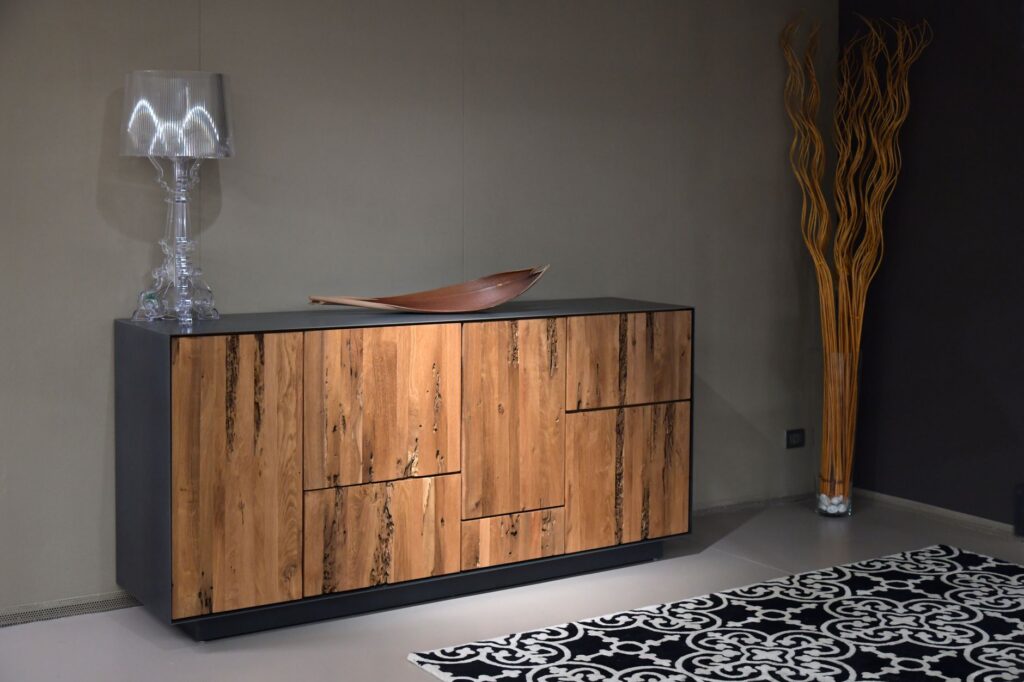
You need more storage in your living room, but a bulky bookcase feels too heavy and floating shelves aren’t cutting it. A credenza might be exactly what you’re looking for—it’s that low-profile cabinet that gives you tons of hidden storage while creating a beautiful surface for lamps, plants, and the things you actually want to […]
If you’ve been hitting snooze repeatedly or dragging yourself out of bed feeling groggy, you’re not alone. Waking up to a jarring alarm in a dark room works against your body’s natural rhythms, especially during winter months. A sunrise alarm clock mimics natural dawn, gradually filling your room with light to ease you awake. But […]
Waking up at 3 a.m. with a sweaty neck and flipping your pillow to the cool side for the fourth time isn’t just annoying—it’s robbing you of quality sleep. If you’re a hot sleeper, your pillow might be trapping heat against your head and neck all night long. The good news? The right cooling pillow […]