If your dining room feels more cramped than cozy, you’re not alone. Small dining spaces are tricky—you need somewhere to stash dishes, linens, and serving pieces, but every piece of furniture you add seems to shrink the room even more. The good news? With the right storage solutions, you can keep everything organized without turning your dining area into an obstacle course.
Think Vertical with Wall-Mounted Solutions
When floor space is limited, your walls become your best friend. Floating shelves are the obvious choice, but they’re popular for a reason—they provide storage without the visual bulk of traditional cabinets. Look for shelves that are at least 10-12 inches deep to hold dinner plates and serving bowls securely.
Wall-mounted cabinets offer enclosed storage if you prefer to hide the clutter. Glass-front options in the $200-$500 range let you display pretty dishware while keeping dust at bay. For a more budget-friendly approach, simple open shelving units start around $50-$100 and can be styled with a mix of functional items and decorative pieces.
Don’t overlook the space above doorways or in corners. Corner shelving units maximize awkward spaces that would otherwise go unused, and they typically take up less visual space than full wall units.
Choose Dual-Purpose Furniture
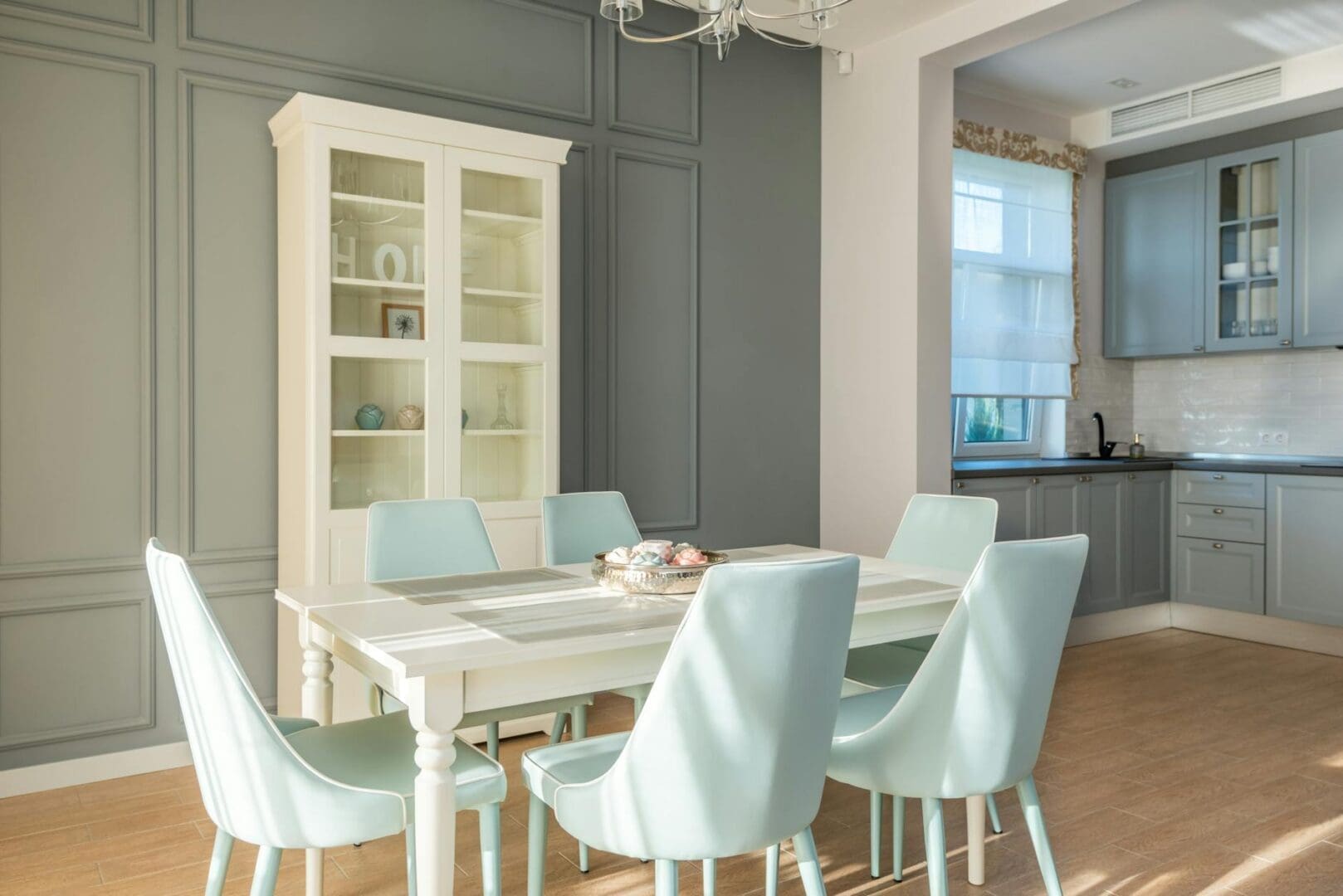
In a small dining room, every piece needs to earn its place. A dining buffet or sideboard is the workhorse of dining storage—it provides drawers for silverware and linens, plus cabinet space for serving pieces and extra dishes. Standard buffets are 48-72 inches wide, but compact versions at 36-42 inches work better in tight spaces.
Expect to spend $300-$600 for a solid mid-range buffet that’ll last years, or $800+ for hardwood pieces with quality hardware. Budget options around $150-$250 work fine if you’re not loading them with heavy dishware.
Benches with built-in storage are another smart choice, especially if you’re short on seating anyway. Lift-top storage benches can tuck away table linens, placemats, or even board games. They run $100-$400 depending on size and upholstery quality.
Bar carts deserve a mention here too. They’re mobile, which means you can roll them out of the way when you need more room, and they provide tiered storage for bottles, glassware, or serving pieces. Prices range from $80 for basic metal frames to $300+ for wood and brass designs.
Get Strategic with Hidden Storage
Sometimes the best storage is the kind you don’t see. If you’re replacing your dining table anyway, consider one with built-in drawers or a lower shelf. These features add minimal visual weight but give you a place for napkins, placemats, or candles you use regularly.
Storage ottomans can slide under a console table when not in use, providing hidden storage plus extra seating when guests arrive. Look for ottomans that are 16-18 inches tall to fit comfortably under most standard console tables.
Window seats with lift-top storage work beautifully in dining rooms with bay windows or alcoves. They’re more of an investment—custom built-ins start around $1,000—but they transform dead space into serious storage while adding charm.
Make the Most of Awkward Spaces
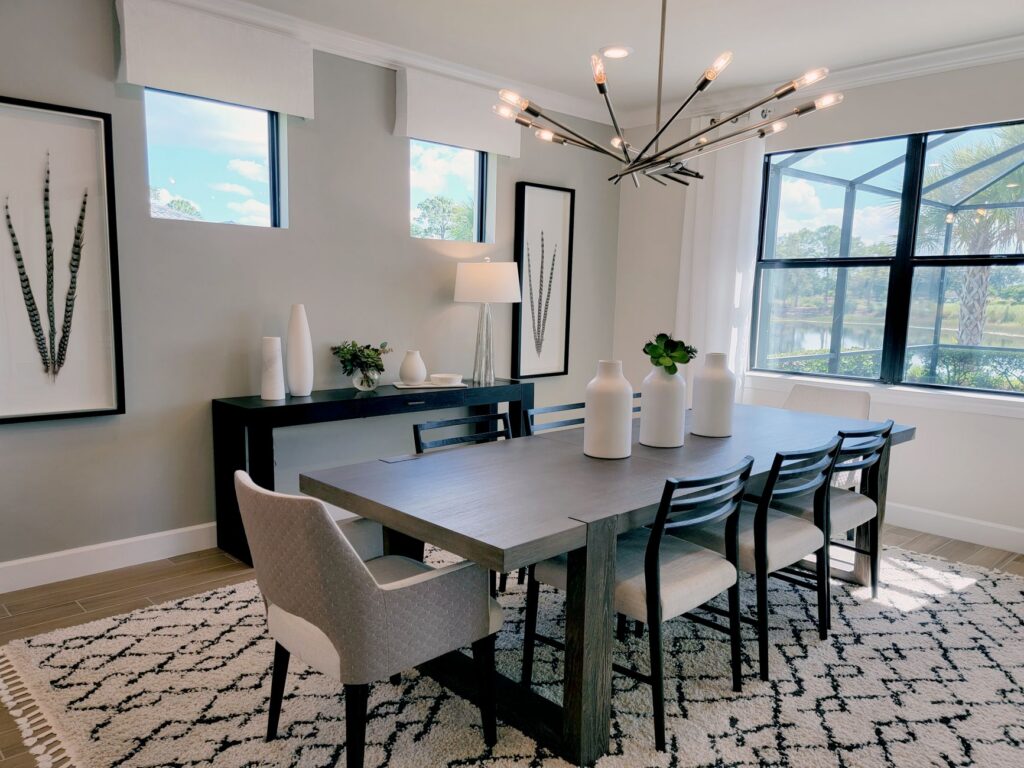
That narrow gap between your table and the wall? A slim console table (around 10-12 inches deep) fits where regular furniture won’t. These skinny tables provide just enough surface for a table lamp or decor, with a lower shelf for baskets of napkins or serving pieces.
Behind-the-door storage is practically free real estate. Over-the-door organizers with pockets can hold everything from cloth napkins to wine accessories. They’re inexpensive ($15-$40) and completely out of sight when the door is open.
Ceiling-height cabinets or hutches use vertical space efficiently in rooms with tall ceilings. The upper cabinets can store items you rarely use, while lower sections keep everyday dishes within reach.
The key to storage in a small dining room is choosing pieces that feel intentional, not crammed in. Focus on solutions that complement your existing furniture and keep your most-used items accessible. Whether you invest in one quality buffet or layer several smaller solutions, the right storage helps your dining room feel organized and open—exactly what a small space needs.
There’s something about farmhouse chandeliers that just works in a dining room—they bring warmth without being fussy, character without feeling overdone. But with so many styles calling themselves “farmhouse,” from sleek metal cages to chunky wood beam fixtures, figuring out which one belongs above your table can feel surprisingly tricky. The right chandelier should anchor […]
A sputnik chandelier makes a serious statement in a dining room—all those radiating arms and exposed bulbs create instant drama and mid-century appeal. But with so many variations in size, arm count, and finish, choosing the right one for your space can feel overwhelming. Get it right, though, and you’ve got a showstopper that pulls […]
When every square foot counts, bringing furniture into a small apartment feels like a high-stakes game of Tetris. You need storage desperately, but you’re terrified of making your space feel even more cramped. A sideboard can be the perfect solution—if you choose the right one. Let’s walk through exactly what to look for so you […]