If you’re tired of decluttering the same spaces over and over, you’re not alone. The organization solutions that worked a few years ago aren’t keeping up with how we actually live now—especially as our homes continue to serve multiple purposes. The good news? The home organization trends emerging in 2026 aren’t just about looking Instagram-perfect. They’re designed around genuine functionality, flexibility, and making your daily routines actually easier.
Modular Systems That Grow With You
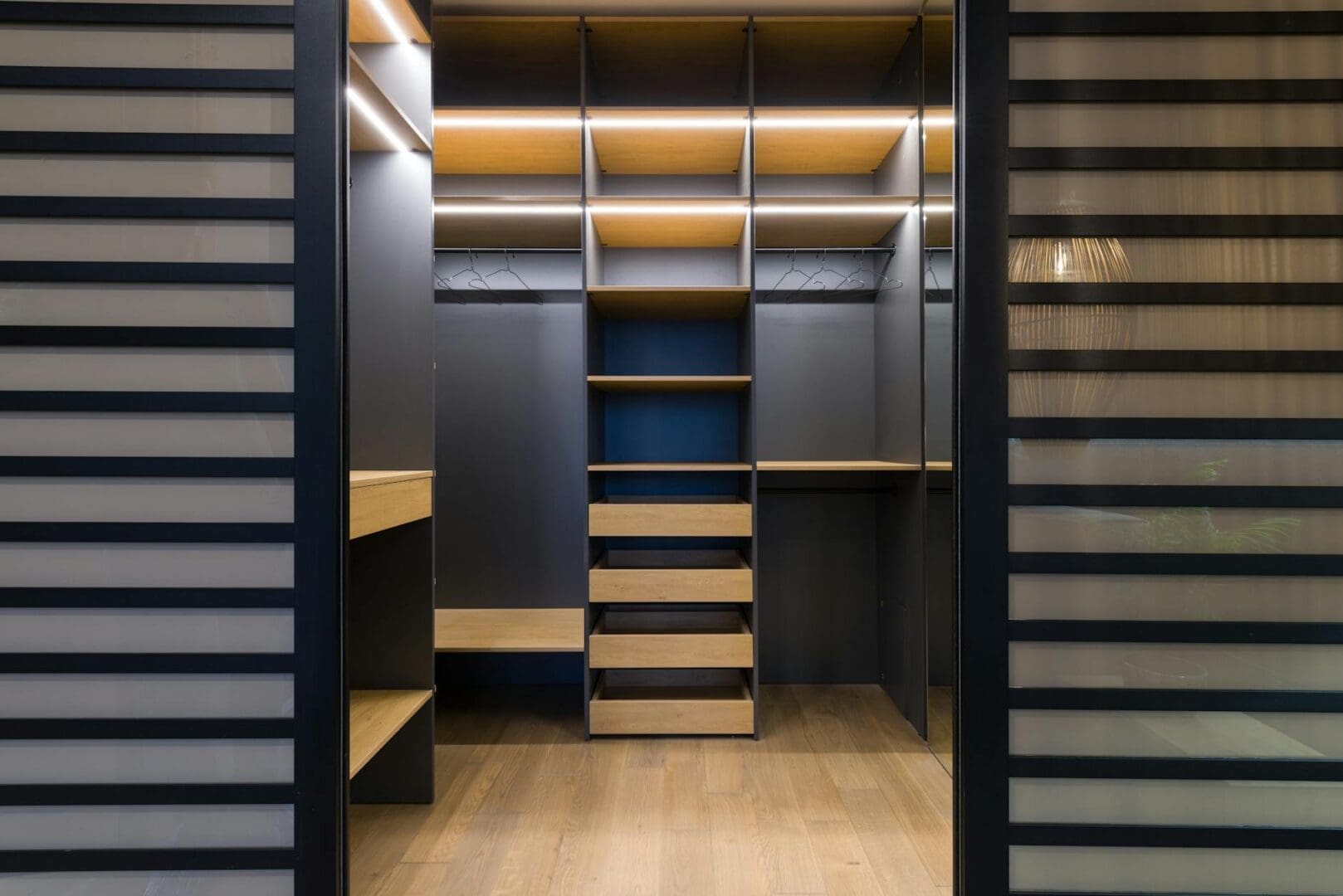
Fixed shelving and one-size-fits-all organizers are giving way to modular systems that adapt as your needs change. Think closet systems where you can move rods, add drawer units, or reconfigure shelves without tools. These systems work especially well in walk-in closets, pantries, and mudrooms where your storage needs shift seasonally or as your household evolves.
Look for systems with components that clip together or slide into wall-mounted tracks. Budget options from wire grid systems start around $200-400 for a basic closet setup, while mid-range solutions with laminate finishes run $600-1,200. Premium systems in wood or powder-coated steel can reach $2,000-4,000, but they’re virtually indestructible and genuinely look like built-ins.
The key feature to prioritize is adjustability. Can you move shelves in one-inch increments? Can you swap a shelf for a drawer unit later? Can you take it with you if you move? These questions matter more than the finish color.
Furniture That Hides Clutter in Plain Sight
Dual-purpose furniture isn’t new, but 2026’s versions are far more sophisticated than the storage ottomans of the past. Coffee tables with lift-top surfaces reveal deep storage compartments perfect for throws, remotes, and reading materials. Console tables now come with false drawer fronts that drop down to conceal charging stations and router equipment. Bed frames feature platform bases with hydraulic lifts, giving you access to cavernous storage underneath without the back-breaking gymnastics.
What makes these pieces trend-worthy is that they no longer look like compromises. A well-designed storage bed in upholstered linen or solid wood looks identical to its non-storage counterpart. Expect to pay $800-1,500 for quality storage beds in queen or king sizes, and $400-900 for lift-top coffee tables that won’t wobble after six months of use.
Vertical Storage That Actually Works
With square footage at a premium, 2026 is all about using your walls more strategically. We’re seeing tall, narrow cabinets replacing short, squat bookcases in living rooms and home offices. Floating shelves are being installed in groupings of four to six, creating gallery-style storage for everything from books to kitchen essentials. Wall-mounted pegboard systems—now available in sleek metal and wood finishes—bring customizable organization to entryways, offices, and even bedroom walls.
The trick with vertical storage is installation quality. A floating shelf holding decorative objects needs basic anchors; one supporting 40 pounds of hardcover books needs proper mounting into studs. When shopping, ask about weight capacity and included hardware. Solid wood floating shelves with reliable mounting systems run $60-150 each depending on length, while full pegboard setups with accessories range from $150-500.
Tech-Integrated Organization Solutions
Smart features are making their way into organization furniture in subtle but useful ways. Charging drawers with built-in USB ports and wireless charging pads keep devices powered without visible cords. LED-lit closet rods automatically illuminate when you open the door. Motion-sensor cabinet lighting helps you find what you need in deep pantries or under-sink storage without fumbling for switches.
These aren’t gimmicks if they solve real friction points in your routine. A charging drawer in your nightstand eliminates bedside cord clutter, while cabinet lighting genuinely helps when you’re grabbing something with your hands full. Budget around $100-200 extra for furniture with integrated charging features, and $30-80 per cabinet for quality motion-sensor lighting kits.
The organization trends gaining traction in 2026 share a common thread: they’re solving actual problems rather than just looking pretty. Whether you invest in a full modular closet system or start with a single piece of hidden-storage furniture, choose solutions that address your specific pain points. The best organization system is always the one you’ll actually use six months from now, not just the one that looks impressive on day one.
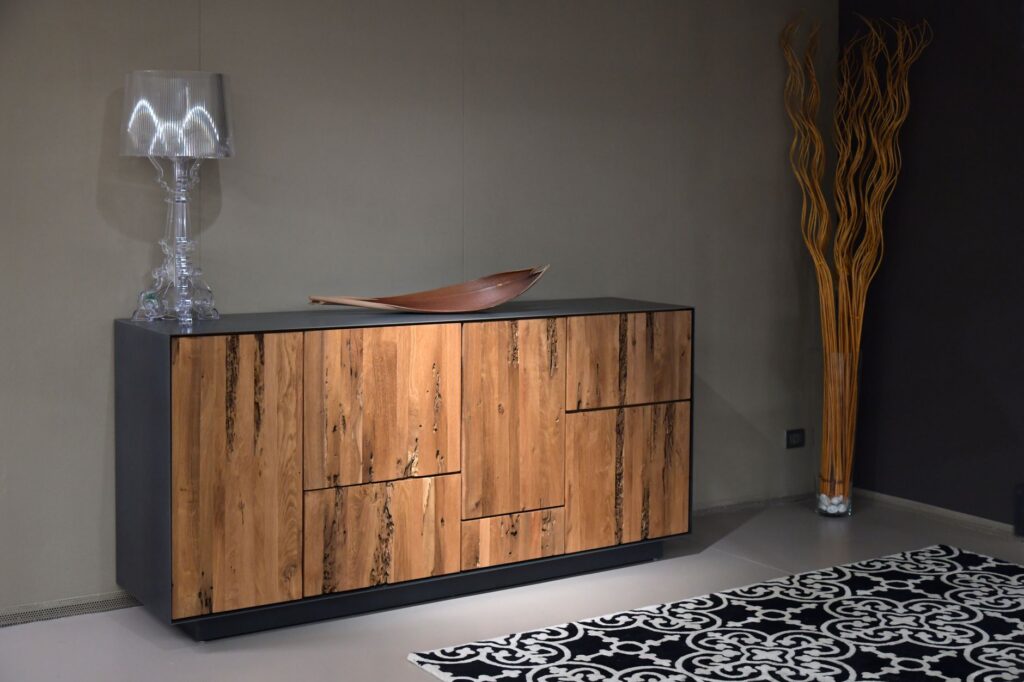
You need more storage in your living room, but a bulky bookcase feels too heavy and floating shelves aren’t cutting it. A credenza might be exactly what you’re looking for—it’s that low-profile cabinet that gives you tons of hidden storage while creating a beautiful surface for lamps, plants, and the things you actually want to […]
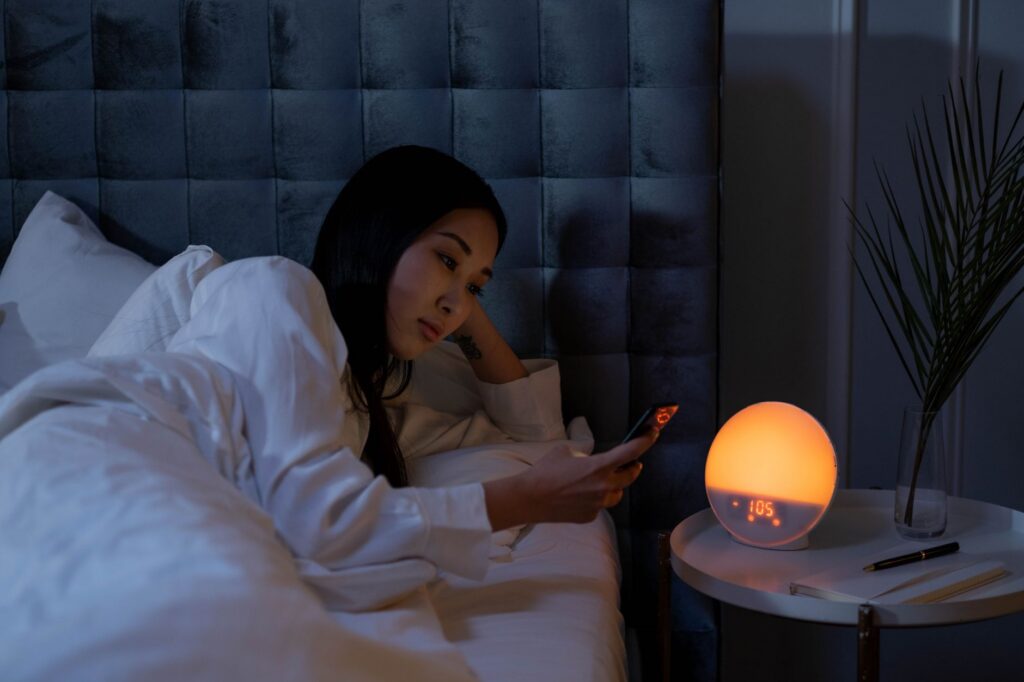
If you’ve been hitting snooze repeatedly or dragging yourself out of bed feeling groggy, you’re not alone. Waking up to a jarring alarm in a dark room works against your body’s natural rhythms, especially during winter months. A sunrise alarm clock mimics natural dawn, gradually filling your room with light to ease you awake. But […]
Waking up at 3 a.m. with a sweaty neck and flipping your pillow to the cool side for the fourth time isn’t just annoying—it’s robbing you of quality sleep. If you’re a hot sleeper, your pillow might be trapping heat against your head and neck all night long. The good news? The right cooling pillow […]