If you’re tired of storage solutions that promise the world but deliver cluttered shelves and overflowing baskets, you’re not alone. The home organization landscape is shifting away from visible bins and color-coded everything toward something more sustainable and honestly, more livable. Here’s what’s actually gaining traction in 2026 and what you should consider before overhauling your space.
Concealed Storage Is Taking Center Stage
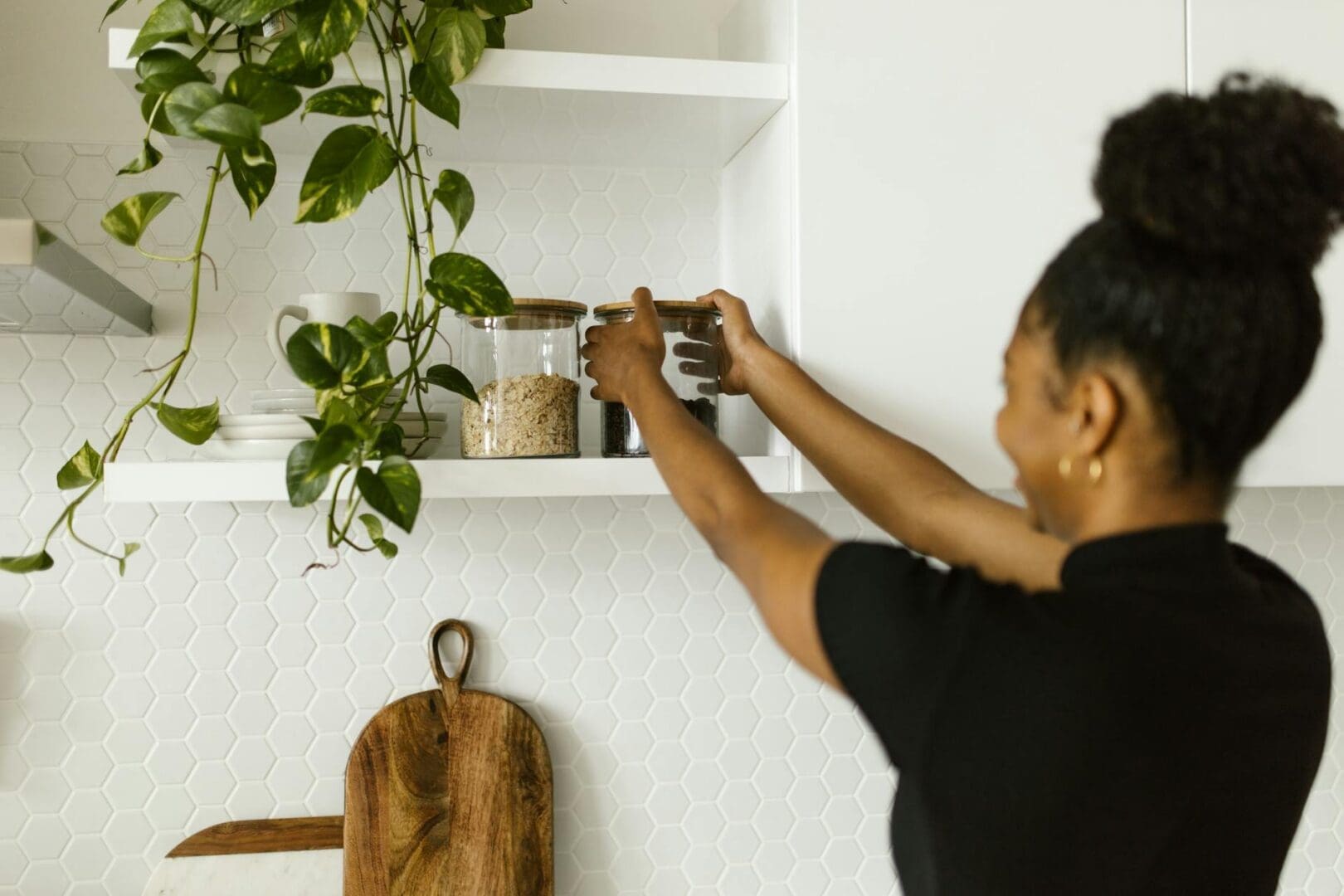
The “everything on display” aesthetic is losing ground to a quieter approach. Think flush-front cabinets, integrated drawer systems, and furniture that hides its organizational prowess. This isn’t about stark minimalism—it’s about creating calm spaces where your belongings live behind closed doors.
Look for media consoles with hidden compartments that actually fit modern electronics, not just DVDs. Coffee tables with lift-top storage are becoming more sophisticated, with smooth mechanisms that won’t pinch fingers or slam shut. In bedrooms, platform beds with built-in drawer systems are outselling traditional bed frames, especially in smaller homes where every square foot counts.
Budget options start around $300 for basic storage beds, while mid-range pieces ($800-1,500) offer better hardware and finishes. Splurge-worthy custom built-ins run $3,000 and up but can transform awkward spaces into hardworking storage.
Modular Systems That Actually Adapt
Fixed shelving units are giving way to truly reconfigurable systems. The difference? These aren’t just shelves you can stack differently—they’re systems with interchangeable components that let you add drawers, hang rods, or desk surfaces as your needs change.
Wall-mounted track systems are particularly popular in closets and home offices. You install the wall rails once, then clip in whatever combination of shelves, hooks, and bins you need. When your teenager’s room becomes your home gym, the same system adapts without requiring new furniture.
Standalone modular cube systems have also matured beyond the college dorm aesthetic. Look for options with:
Backing panels that make units look built-in rather than temporary
Mix-and-match inserts like file drawers, wine racks, or charging stations
Leg or base options that lift storage off the floor for easier cleaning
Solid wood or high-quality laminate that won’t sag under real-world use
Expect to spend $400-900 for a quality modular system that’ll actually last beyond next year’s reorganization kick.
Furniture That Earns Its Keep
Every piece needs to justify its footprint now. Entryway benches come with shoe storage underneath and hooks above. Dining tables include built-in leaf storage so you’re not wrestling extensions from the garage. Nightstands feature outlets, USB ports, and wireless charging pads built directly into their design.
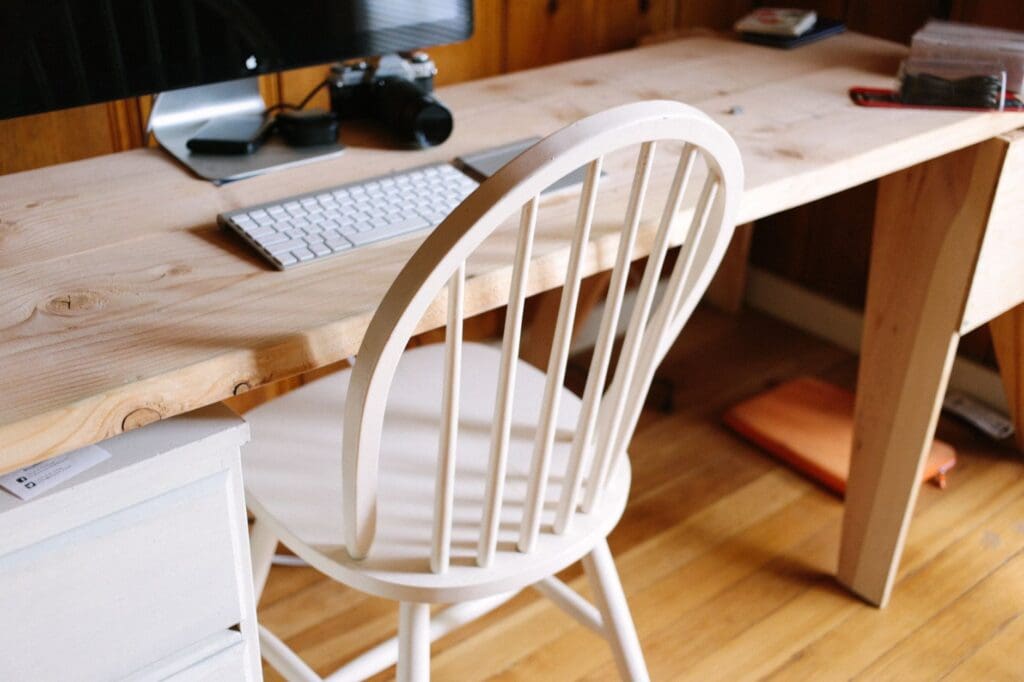
The functionality-first approach extends to home offices, where desks with integrated cable management and monitor stands are standard rather than upgrades. Look for desks with grommets that actually accommodate today’s thicker cables and enough depth (at least 24 inches) to position monitors at a comfortable viewing distance while leaving workspace in front of your keyboard.
Ottoman storage has evolved too. The best ones open easily with one hand, have removable lids for flexible use, and come in sizes that fit specific needs—oversized for blanket storage, narrower for entryways, or bench-length for the foot of a bed.
Natural Materials and Warmer Finishes
The all-white, all-acrylic storage era is winding down. Organizational furniture is incorporating the same natural materials driving broader design trends—cane webbing, rattan, light oak, and walnut. The shift reflects a desire for storage that feels like furniture rather than garage overflow.
Woven baskets remain useful, but they’re getting structured bases and frames so they don’t collapse or look messy. Linen and cotton fabric bins are replacing harsh plastic ones in visible spaces. Even metal storage pieces are appearing in warmer brass and bronze finishes instead of chrome or stark white powder coating.
This material shift does mean slightly higher price points—$50-80 for quality fabric bins versus $20 for plastic alternatives—but the aesthetic difference is substantial, especially in living areas where storage can’t be hidden.
The smartest approach to 2026’s organization trends? Start with the spaces causing you the most daily friction. If you’re constantly hunting for keys, invest in proper entryway storage. If bedroom clutter is the issue, a storage bed might solve it better than another basket system. The best organizational furniture is the kind you’ll actually use, not the prettiest piece that doesn’t quite fit your life.
If you’ve been hitting snooze repeatedly or dragging yourself out of bed feeling groggy, you’re not alone. Waking up to a jarring alarm in a dark room works against your body’s natural rhythms, especially during winter months. A sunrise alarm clock mimics natural dawn, gradually filling your room with light to ease you awake. But […]
Waking up at 3 a.m. with a sweaty neck and flipping your pillow to the cool side for the fourth time isn’t just annoying—it’s robbing you of quality sleep. If you’re a hot sleeper, your pillow might be trapping heat against your head and neck all night long. The good news? The right cooling pillow […]
If you’re working from home or spending hours at your desk, you’ve probably noticed that not all chairs are created equal. That bargain office chair seemed fine at first, but now your back aches by mid-afternoon. You’ve been eyeing ergonomic chairs, but with price tags that can run three to ten times higher than regular […]