Standing in the flooring aisle—or scrolling through endless options online—trying to decide between hardwood and laminate can feel overwhelming. Both look beautiful in photos, but the difference in price tags raises an obvious question: what are you actually getting for your money? The good news is that both options have come a long way, and the right choice depends more on your lifestyle and priorities than on which one is “better.”
Understanding What You’re Actually Buying
Hardwood flooring is exactly what it sounds like—solid wood planks (typically 3/4 inch thick) or engineered wood with a real hardwood veneer over a plywood base. You’re getting authentic wood grain that’s completely unique to your floor. Oak, maple, hickory, and walnut are popular choices, each with distinct color tones and grain patterns.
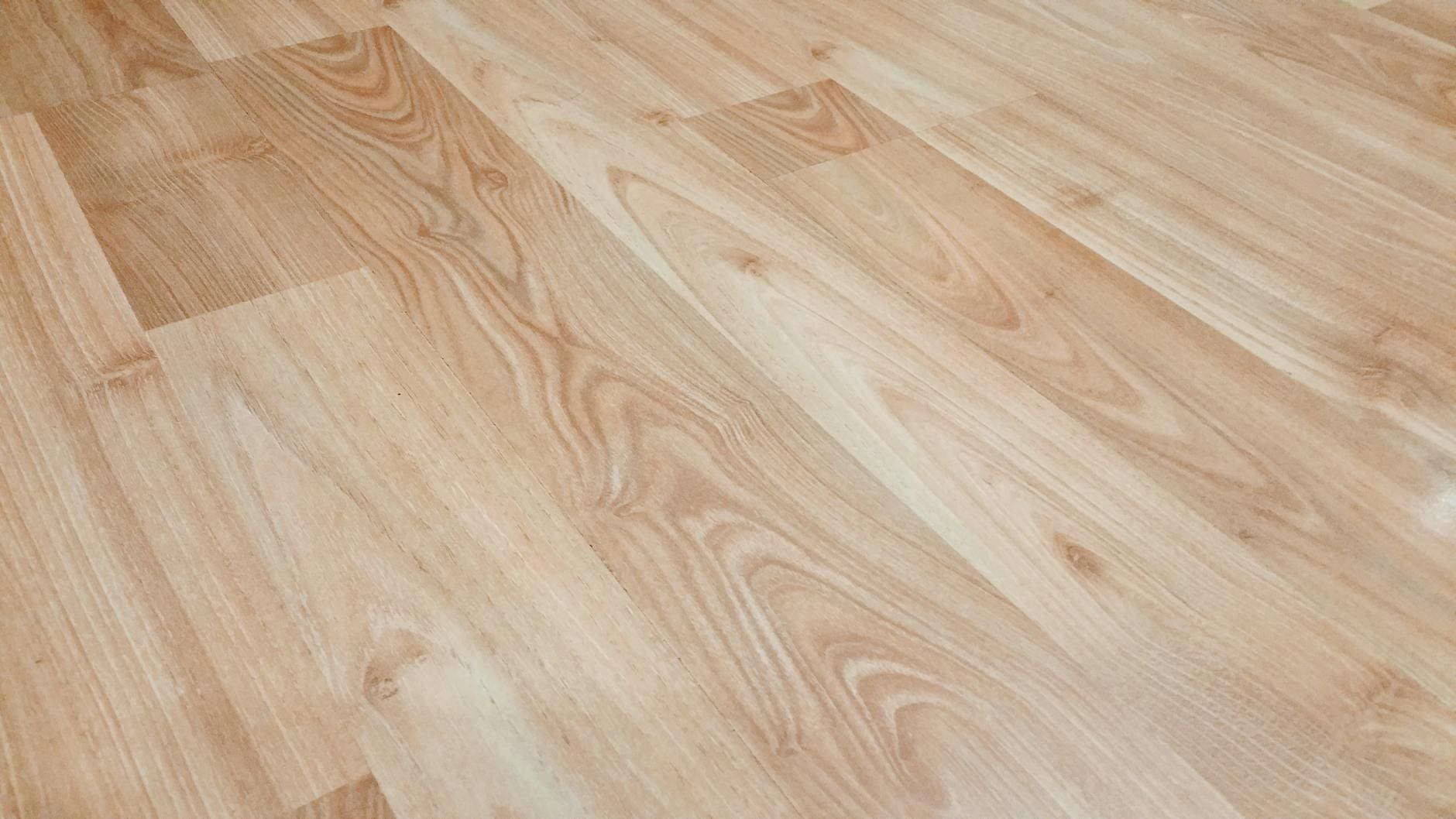
Laminate flooring, on the other hand, is a photographic image of wood sealed beneath a clear protective layer, all sitting on top of a high-density fiberboard core. Modern laminate has become remarkably convincing—you often can’t tell the difference from across the room—but it’s fundamentally a printed simulation rather than real wood.
This core difference affects everything else: how the floor feels underfoot, how it responds to damage, and how long it lasts. Hardwood has a warmth and slight give that laminate’s harder surface can’t quite replicate, though quality laminate with good underlayment gets close.
Durability and Maintenance in Real Life
Here’s where things get interesting. Hardwood is incredibly durable—it can last 100+ years—but it’s also vulnerable to scratches, dents from dropped objects, and water damage. The upside? You can sand and refinish solid hardwood floors multiple times over their lifetime, essentially giving you a brand-new floor every 10-15 years. Engineered hardwood can typically be refinished 1-3 times depending on the veneer thickness.
Laminate is actually more scratch-resistant than hardwood and handles moisture better (though standing water is still an enemy). It’s a smart choice for busy households with kids and pets. The trade-off is that once laminate is damaged—gouged, deeply scratched, or water-warped—you can’t refinish it. You have to replace individual planks or sections.
Daily maintenance is easier with laminate. Sweep and damp-mop, and you’re done. Hardwood needs a bit more attention: regular sweeping, occasional specialized wood floor cleaner, and vigilance about spills. You’ll also want felt pads under furniture legs and rugs in high-traffic areas.
Price Differences and What They Mean
Budget is often the deciding factor, and the gap is significant. Laminate typically runs $3-$7 per square foot for decent quality, with premium options reaching $8-12. For a 500-square-foot space, you’re looking at $1,500-$3,500 for materials.
Hardwood starts around $6-8 per square foot for oak or maple, mid-range exotic species run $10-15, and premium or wider planks can hit $15-25 per square foot. That same 500-square-foot room might cost $3,000-$7,500 or more in materials alone.
Installation adds another layer. Laminate is DIY-friendly with click-lock systems, potentially saving you $2-4 per square foot in labor costs. Hardwood installation is more complex and typically requires professional installation at $4-8 per square foot.
The long-term calculation matters too. Hardwood adds resale value to your home in a way laminate doesn’t. Real estate professionals consistently report that hardwood flooring offers one of the best returns on investment for home improvements.
Making the Right Choice for Your Space
Choose hardwood if you’re planning to stay in your home long-term, want the authentic look and feel of real wood, and can accommodate the higher upfront cost. It’s particularly worth it in main living areas, bedrooms, and dining rooms where its warmth and elegance really shine.
Laminate makes sense if you need to watch your budget, have an active household with moisture concerns (think kids, pets, or frequent spills), or you’re updating a rental property or starter home. It’s also ideal for basements where humidity fluctuates, since it handles those conditions better than hardwood.
The decision ultimately comes down to balancing your budget against how long you’ll enjoy the floor and what kind of daily wear it’ll face. Both options can look stunning in your home—now you know which investment makes sense for your specific situation.
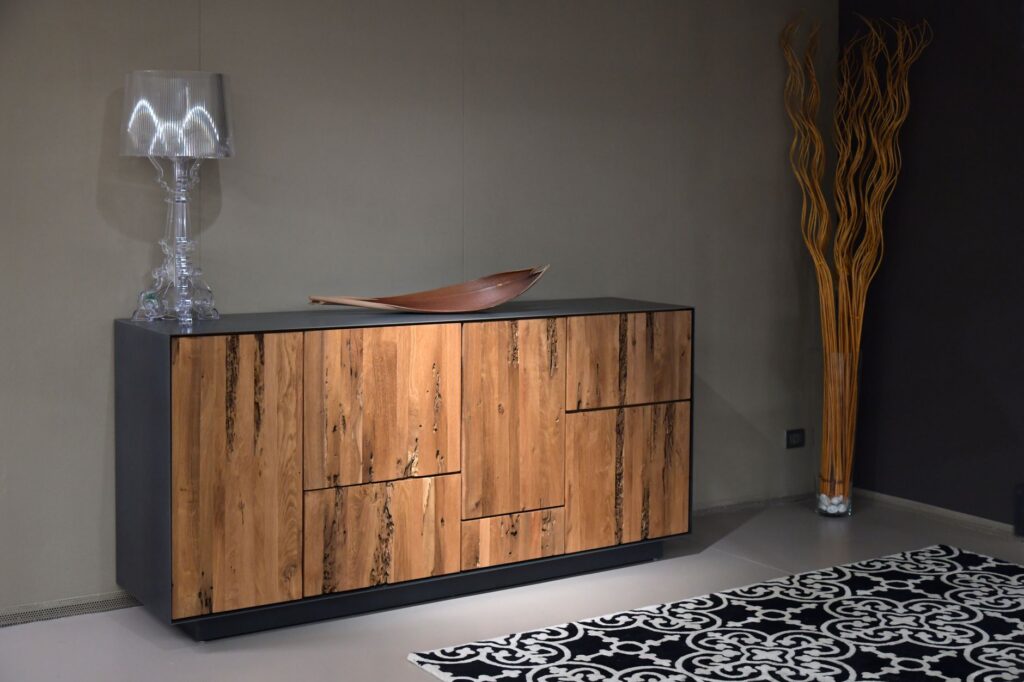
You need more storage in your living room, but a bulky bookcase feels too heavy and floating shelves aren’t cutting it. A credenza might be exactly what you’re looking for—it’s that low-profile cabinet that gives you tons of hidden storage while creating a beautiful surface for lamps, plants, and the things you actually want to […]
If you’ve been hitting snooze repeatedly or dragging yourself out of bed feeling groggy, you’re not alone. Waking up to a jarring alarm in a dark room works against your body’s natural rhythms, especially during winter months. A sunrise alarm clock mimics natural dawn, gradually filling your room with light to ease you awake. But […]
Waking up at 3 a.m. with a sweaty neck and flipping your pillow to the cool side for the fourth time isn’t just annoying—it’s robbing you of quality sleep. If you’re a hot sleeper, your pillow might be trapping heat against your head and neck all night long. The good news? The right cooling pillow […]