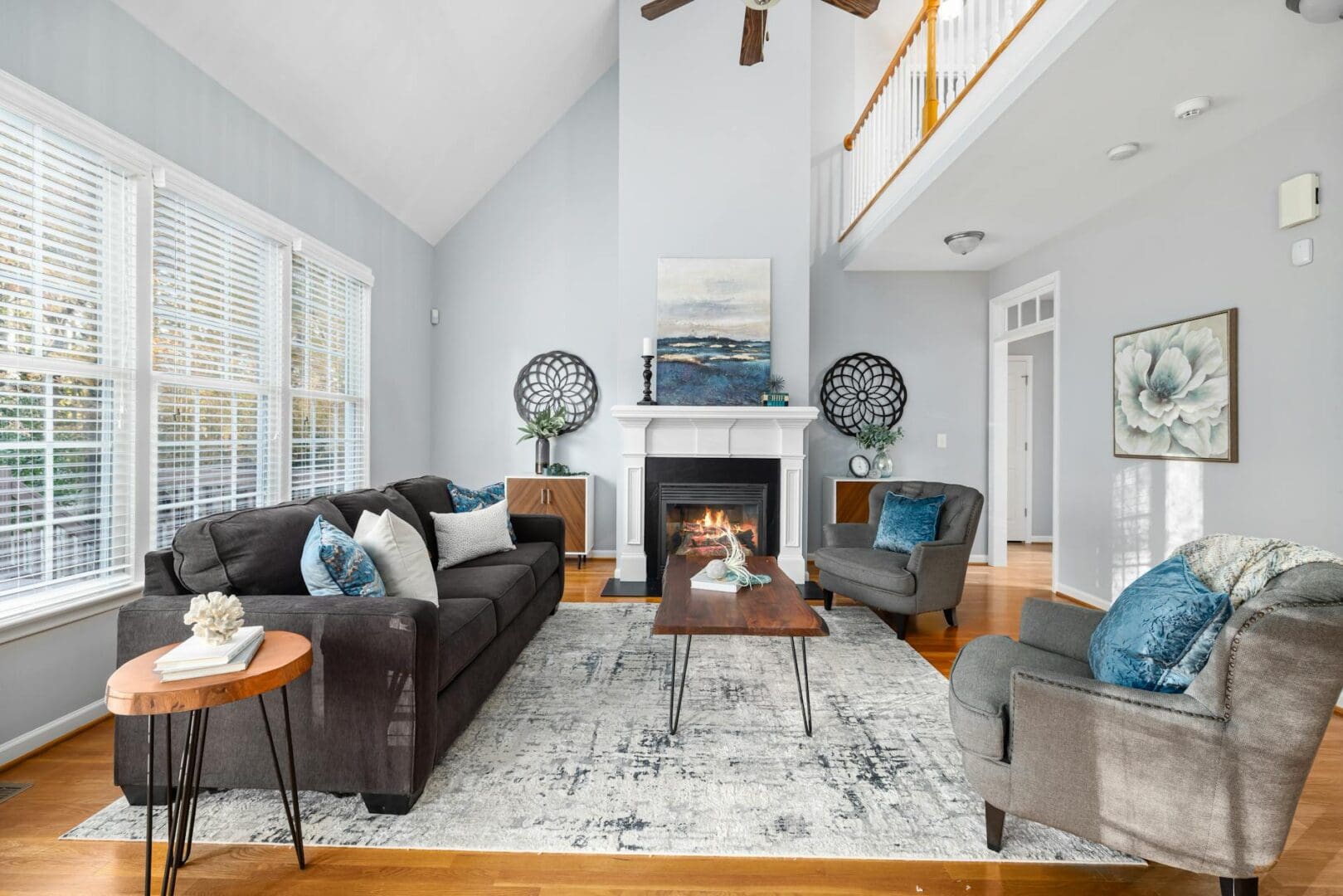
Hairpin leg coffee tables have that effortless mid-century charm that works in everything from minimalist apartments to eclectic living rooms. But not all hairpin tables are created equal—some wobble after a few months, while others become sturdy centerpieces you’ll love for years. If you’re considering one for your space, here’s what you need to know before you buy.
Understanding Hairpin Leg Construction and Stability
The signature thin metal legs might look delicate, but quality hairpin legs are surprisingly sturdy. The key is the rod thickness and welding quality. Look for legs made from at least 1/2-inch steel rods—anything thinner tends to wobble, especially on tables wider than 36 inches. Three-rod hairpin legs offer more stability than two-rod versions, though both can work depending on your table size.
Pay attention to how the legs attach to the tabletop. The best tables use legs with welded mounting plates that screw directly into solid wood, not particle board. You want at least four screws per leg. Some budget options (typically under $150) use legs that simply press into the underside of the table, which rarely holds up to daily use. If you’re planning to rest your feet on the table or have kids who might climb, invest in the more secure attachment method.
Choosing the Right Tabletop Material
The tabletop material dramatically affects both the look and longevity of your hairpin leg coffee table. Solid wood tops—whether walnut, oak, or acacia—offer the most durability and develop a beautiful patina over time. These typically start around $250 for smaller tables and can reach $600+ for larger statement pieces in premium woods.
Engineered wood with veneer is your mid-range option, usually $150-$300. A quality veneer can look stunning and resist scratches better than you’d expect, but check the edges—cheap veneer tends to chip and peel where it meets the table edge. Avoid tables where you can see obvious seams in the veneer pattern.
Glass tops paired with hairpin legs create an airy, space-expanding effect perfect for smaller rooms. Look for tempered glass at least 3/8-inch thick. Anything thinner feels precarious. These usually run $200-$400 depending on size. Just know that glass shows every fingerprint and water ring, so they require more maintenance than wood.
Getting the Size and Height Right
Hairpin leg coffee tables typically come in heights from 16 to 18 inches. The sweet spot is usually 1-2 inches lower than your sofa seat height. If your couch seats at 18 inches, look for a 16-17 inch table height for comfortable reach.
For length, your coffee table should be about two-thirds the length of your sofa. A standard three-seat sofa (around 84 inches) pairs well with a 48-54 inch coffee table. In smaller spaces, round or oval hairpin tables (typically 30-36 inches in diameter) provide surface area without sharp corners that interrupt traffic flow.
Don’t forget clearance—leave at least 14-18 inches between your table edge and the sofa for comfortable legroom. If your room is tight, consider a narrower table depth (24 inches instead of 30) to maintain walkability.
Style Variations and What Works Where
Classic hairpin leg tables feature natural wood tones with black metal legs, but you’ll find variations that suit different aesthetics. White-washed or light oak tops with gold or brass-finish legs lean more Scandinavian. Reclaimed wood with raw steel legs works in industrial or rustic spaces. Marble tops with rose gold legs add glamour to contemporary rooms.
Consider your existing furniture before committing to a finish. If you have warm wood tones elsewhere, a walnut or acacia top creates cohesion. In rooms with lots of metal accents, match your hairpin leg finish to your light fixtures or cabinet hardware—mixing metal finishes can work, but matching makes it foolproof.
Finding the right hairpin leg coffee table comes down to balancing construction quality with your aesthetic preferences and room dimensions. Look for thick steel rods, secure mounting, and a tabletop material that fits your lifestyle and maintenance tolerance. Whether you’re drawn to a budget-friendly option around $150 or ready to invest $500+ in a solid hardwood piece, prioritize stability and proper sizing over trendy finishes. Your coffee table anchors your living room—choose one that’ll still feel right years from now, not just in this design moment.
You need more storage in your living room, but a bulky bookcase feels too heavy and floating shelves aren’t cutting it. A credenza might be exactly what you’re looking for—it’s that low-profile cabinet that gives you tons of hidden storage while creating a beautiful surface for lamps, plants, and the things you actually want to […]
If you’ve been hitting snooze repeatedly or dragging yourself out of bed feeling groggy, you’re not alone. Waking up to a jarring alarm in a dark room works against your body’s natural rhythms, especially during winter months. A sunrise alarm clock mimics natural dawn, gradually filling your room with light to ease you awake. But […]
Waking up at 3 a.m. with a sweaty neck and flipping your pillow to the cool side for the fourth time isn’t just annoying—it’s robbing you of quality sleep. If you’re a hot sleeper, your pillow might be trapping heat against your head and neck all night long. The good news? The right cooling pillow […]