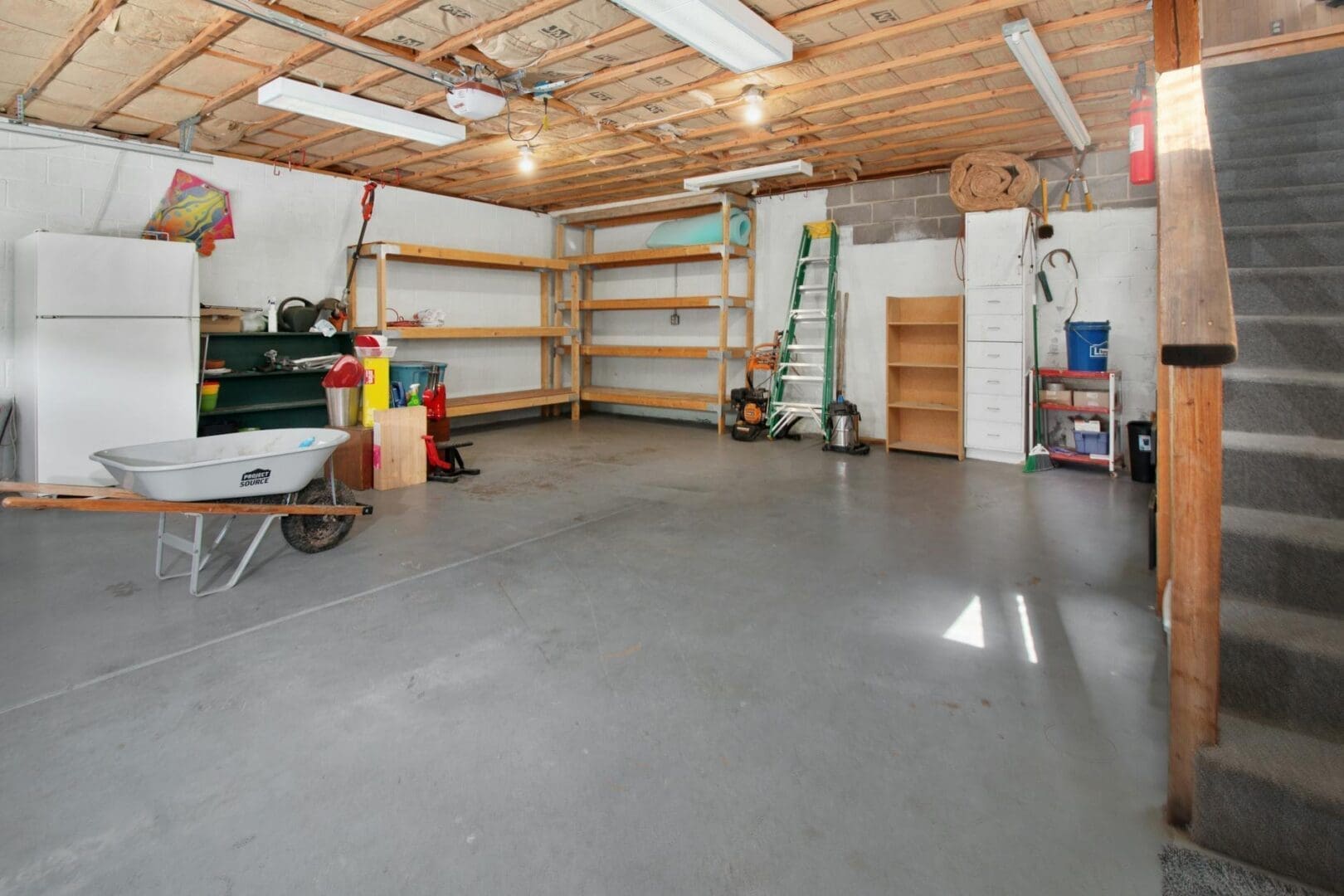
Your garage doesn’t have to be that place where you can barely squeeze your car in anymore. If you’re tired of navigating around stacked boxes and tools you can never find, you’re not alone. The good news? Garage organization is having a serious moment, and the systems available now are smarter, better-looking, and more adaptable than ever.
Modular Wall Systems Are Taking Over
The biggest shift we’re seeing is the move away from basic pegboards and single-purpose hooks toward comprehensive modular wall systems. These slatwall and track-based systems let you reconfigure your storage as your needs change, which is perfect if your garage pulls double duty as a workshop, sports equipment hub, or seasonal storage center.
Look for systems with interchangeable components like adjustable shelves, tool holders, bike hooks, and basket attachments. The best ones allow you to move pieces around without drilling new holes every time your storage needs evolve. Budget-friendly options start around $150-200 for a basic 4-foot section, while premium aluminum systems with extensive accessory collections can run $600-1,200 for complete wall coverage.
When shopping, pay attention to weight capacity per hook or shelf. If you’re storing heavy items like ladders or power tools, you want systems rated for at least 50 pounds per attachment point. Powder-coated finishes hold up better in humid garage environments than basic painted metal.
Overhead Storage Gets Smarter
Ceiling-mounted storage racks have been around forever, but the new generation includes features that actually make them practical. Adjustable height systems let you customize clearance based on your garage ceiling and vehicle size. Some even include pulley mechanisms or motorized lifts for easier access to seasonal items you don’t need constantly.
The sweet spot for overhead storage is typically racks that hold 400-600 pounds and adjust between 22-40 inches from the ceiling. These work beautifully for holiday decorations, camping gear, and those bulky items that don’t need to be within arm’s reach. Expect to spend $120-200 for quality manual systems, or $400-800 for motorized versions with remote controls.
Before buying, measure your ceiling height and garage door track clearance carefully. You need enough room for both the rack and whatever you’re storing, plus space for your garage door to operate safely.
Zone-Based Organization Is the New Standard
Instead of random storage wherever things fit, the current approach divides garages into dedicated zones: automotive, sports and recreation, garden and yard, tools and workshop, and seasonal storage. This might sound obvious, but having a designated home for each category genuinely transforms how functional your garage becomes.
Start by creating clear zones with a mix of storage types. Your workshop zone might combine a wall-mounted system for frequently-used tools with a rolling tool chest for portability. The sports zone could feature vertical bike racks, ball corrals, and hooks for larger equipment. Garden zones work best with open shelving for easy-to-grab supplies and closed cabinets to protect fertilizers and chemicals from temperature extremes.
Multi-piece storage collections designed around zones are increasingly popular, with manufacturers offering coordinated sets that include cabinets, workbenches, and wall systems in matching finishes. Complete zone setups range from $500 for basic configurations to $3,000+ for premium workstation setups.
Closed Storage Makes a Comeback
While open shelving and pegboards dominated for years, closed storage cabinets are trending again, and for good reason. They hide visual clutter, protect items from dust and humidity, and just make garages look more finished. The newest garage cabinets feature better ventilation to prevent moisture buildup and more durable construction to handle temperature fluctuations.
Look for cabinets with adjustable shelving, soft-close hinges, and either melamine or powder-coated steel construction. If your garage gets particularly hot or cold, avoid real wood, which can warp. Base cabinets with work surfaces create bonus counter space for projects or potting plants. Individual cabinets start around $200-300, while full wall systems with upper and lower cabinets can reach $2,000-4,000.
The real game-changer is mixing closed and open storage based on what you’re storing. Keep everyday items on open walls for easy access, and tuck away seasonal or less attractive necessities behind cabinet doors.
Getting your garage organized isn’t about buying every storage gadget available. It’s about choosing systems that match how you actually use the space. Start with your biggest pain point, whether that’s tools scattered everywhere or bikes taking up floor space, and build from there. The modular nature of today’s best systems means you can start small and expand as budget allows, creating a garage that finally works as hard as you do.
You need more storage in your living room, but a bulky bookcase feels too heavy and floating shelves aren’t cutting it. A credenza might be exactly what you’re looking for—it’s that low-profile cabinet that gives you tons of hidden storage while creating a beautiful surface for lamps, plants, and the things you actually want to […]
If you’ve been hitting snooze repeatedly or dragging yourself out of bed feeling groggy, you’re not alone. Waking up to a jarring alarm in a dark room works against your body’s natural rhythms, especially during winter months. A sunrise alarm clock mimics natural dawn, gradually filling your room with light to ease you awake. But […]
Waking up at 3 a.m. with a sweaty neck and flipping your pillow to the cool side for the fourth time isn’t just annoying—it’s robbing you of quality sleep. If you’re a hot sleeper, your pillow might be trapping heat against your head and neck all night long. The good news? The right cooling pillow […]