Moving furniture from room to room shouldn’t feel like forcing a square peg into a round hole. Whether you’re furnishing your first home on a budget, planning for future moves, or simply want the flexibility to refresh your space without buying all new pieces, choosing furniture with multi-room versatility makes incredible sense. The key is knowing which pieces travel well and what qualities make furniture truly adaptable.
Start With Neutral Foundations
The most versatile furniture pieces share one essential trait: they don’t scream “I belong in the living room!” A sofa in a bold geometric print might look stunning in your current space, but it’ll be much harder to reimagine in a bedroom sitting area or home office lounge zone.
Look for furniture in neutral colors like gray, beige, navy, or warm wood tones. A charcoal gray sectional works equally well in a family room, finished basement, or even a large primary bedroom. Accent chairs in solid neutrals can rotate from bedroom to office to living room as your needs shift. You can always add personality through pillows, throws, and accessories that are easier and cheaper to swap out.
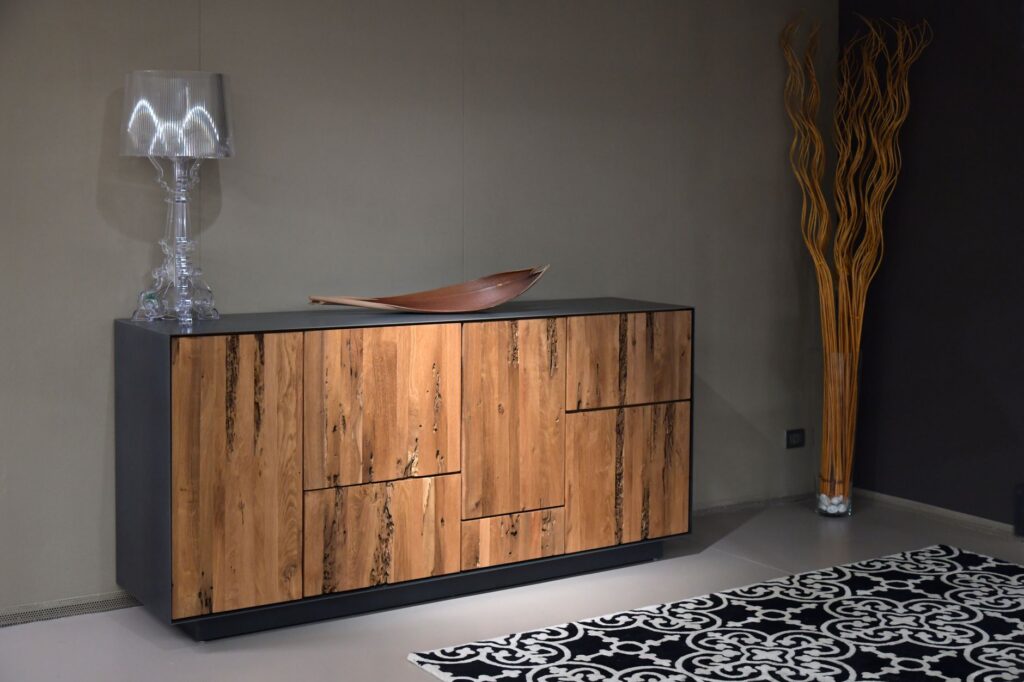
Wood furniture in classic finishes like walnut, oak, or painted white travels particularly well. A mid-century modern console table could serve as a TV stand today, an entryway piece tomorrow, and a buffet server next year. Budget options start around $150-250, while solid wood pieces from quality brands run $400-800 and will last through multiple room transitions.
Prioritize Scale and Proportion
Here’s where many people trip up: they choose furniture that fits their current room perfectly but nowhere else. A massive sectional might be ideal for your spacious family room, but what happens when you move to a smaller house or want to repurpose that room?
Mid-scale pieces offer the most flexibility. A 78-84 inch sofa fits comfortably in most living rooms but could also work in a large bedroom or office. Dining tables in the 60-72 inch range can serve as kitchen tables, dining room centerpieces, or even work-from-home desks in a pinch. Nightstands and side tables at 24-28 inches high work beside beds, sofas, and chairs interchangeably.
Modular furniture deserves special mention here. Sectionals that break apart into individual pieces, nesting tables, and stackable stools give you options as room layouts change. You might use all the sectional pieces together now, but later separate them into a loveseat for one room and a chaise for another.
Choose Functional Forms Over Trendy Shapes
That conversation-pit-style curved sofa might be Instagram-worthy, but its unusual shape limits where it can go. Furniture with clean lines and classic silhouettes adapts more easily across different rooms and design schemes.
Look for pieces where form follows function. A simple upholstered bench works at the foot of a bed, in an entryway, or as extra dining seating. Storage ottomans transition from coffee table to bedroom seating to playroom toy storage. Armless accent chairs tuck under desks, pull up to dining tables, or float in living rooms.
Avoid overly specific furniture like bar-height tables (unless you genuinely need one) or ultra-low platform beds that won’t work if you develop mobility issues later. Standard heights and proportions keep your options open. Mid-range versatile pieces typically run $300-600, while investment-quality items that’ll serve multiple purposes for decades might cost $800-1,500.
Think About Visual Weight and Style Flexibility
Some furniture pieces feel heavy and commanding, while others have a lighter, more adaptable presence. Furniture with exposed legs rather than skirts creates visual breathing room and looks less room-specific. A dresser on legs could work in a bedroom, dining room as a buffet, or living room for media storage. The same dresser with a heavy base feels locked into bedroom-only duty.
Style-wise, transitional furniture that blends traditional and contemporary elements moves most easily between rooms. Overly ornate traditional pieces or ultra-minimalist modern designs can clash when relocated. A simple wooden ladder shelf works in rustic, modern, or traditional rooms. A farmhouse table serves equally well in kitchens, dining rooms, or as a craft table.
The smartest approach is building your home around 60-70% neutral, versatile pieces that can move and adapt, then adding 30-40% room-specific personality through lighting, art, textiles, and smaller accent pieces. This gives you a solid foundation that works anywhere while still creating spaces that feel intentional and personal. When you’re shopping, ask yourself: “Could I see this piece working in at least three different rooms?” If the answer is yes, you’ve found furniture with real staying power.
You need more storage in your living room, but a bulky bookcase feels too heavy and floating shelves aren’t cutting it. A credenza might be exactly what you’re looking for—it’s that low-profile cabinet that gives you tons of hidden storage while creating a beautiful surface for lamps, plants, and the things you actually want to […]
If you’ve been hitting snooze repeatedly or dragging yourself out of bed feeling groggy, you’re not alone. Waking up to a jarring alarm in a dark room works against your body’s natural rhythms, especially during winter months. A sunrise alarm clock mimics natural dawn, gradually filling your room with light to ease you awake. But […]
Waking up at 3 a.m. with a sweaty neck and flipping your pillow to the cool side for the fourth time isn’t just annoying—it’s robbing you of quality sleep. If you’re a hot sleeper, your pillow might be trapping heat against your head and neck all night long. The good news? The right cooling pillow […]