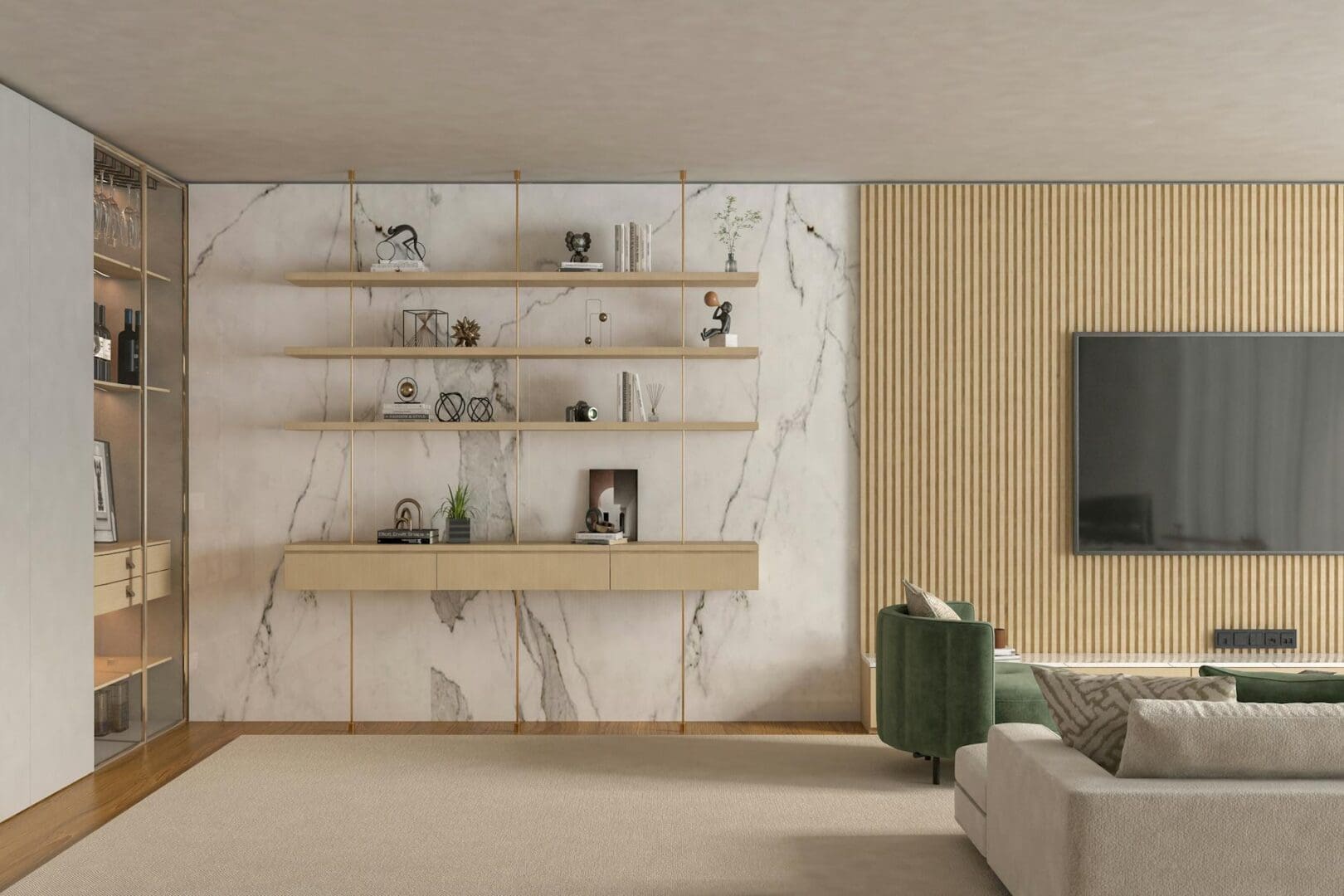
You’ve got your new TV, but now you’re staring at that wall wondering whether to mount it on a sleek floating shelf or set it on a traditional stand. It’s not just about style—this decision affects your room’s layout, storage options, and even your Saturday afternoon plans (hello, installation time). Let’s break down what actually matters so you can choose the right setup for your space.
Space and Room Layout Considerations
Floating TV shelves are the clear winner if you’re working with limited floor space. By mounting directly to the wall, they free up valuable square footage underneath—perfect for small apartments or rooms where every inch counts. You can even place a low console or storage baskets below without things feeling cluttered.
Traditional TV stands, on the other hand, need dedicated floor space but offer more flexibility. You can move them around when you rearrange furniture, and they work in rentals where wall mounting might not be allowed. If you have an awkward room layout or frequently change your setup, a stand gives you options a wall-mounted shelf simply can’t.
Think about your room’s size and how you use it. In a cozy den or bedroom, a floating shelf keeps things airy. In a spacious family room where you might add seating or rearrange for gatherings, a movable stand could serve you better.
Storage Needs and Cable Management
Here’s where TV stands really shine. Most models include cabinets, drawers, or open shelving for media players, gaming consoles, DVDs, and all those remotes that seem to multiply. Budget stands start around $100-200 with basic shelves, while mid-range options ($300-600) offer better cable management and sturdier construction. Splurge-worthy stands ($700+) feature soft-close drawers, integrated power strips, and thoughtful compartments that keep everything organized.
Floating shelves typically provide one or two tiers—enough for a soundbar and maybe a streaming device, but that’s about it. You’ll need to get creative with cable management, often running cords through in-wall channels or using external covers. Some floating shelf systems include a small component box that mounts behind the TV, which helps but still offers limited space.
If you have multiple devices or prefer everything tucked out of sight, a stand with enclosed storage makes life easier. If you’ve gone minimal with just a smart TV and soundbar, a floating shelf keeps things clean and modern.
Installation and Flexibility
Let’s be honest: installing a floating TV shelf requires more effort upfront. You’ll need to find wall studs, drill into them correctly, and feel confident that everything’s secure. Many people hire a professional, adding $100-300 to the total cost. The payoff? A permanent, streamlined look that doesn’t budge.
TV stands require zero installation—just unbox, possibly assemble (most take 30-60 minutes), and place where you want it. This simplicity matters if you’re not handy with tools, rent your home, or think you might move soon. Stands also let you adjust your TV height by simply swapping furniture, while wall-mounted setups are more permanent.
Consider your timeline and comfort level. Need something ready today? A stand wins. Planning a long-term setup and comfortable with tools or hiring help? A floating shelf delivers that high-end, architectural look.
Style and Visual Impact
Floating shelves create an undeniably modern, space-age aesthetic. They make TVs appear to hover, which works beautifully in contemporary, minimalist, or Scandinavian-inspired rooms. They also draw the eye upward, making rooms with lower ceilings feel taller.
TV stands anchor a room and come in virtually every style imaginable—rustic farmhouse, mid-century modern, industrial, traditional. This variety makes it easier to match existing furniture. They also ground the TV rather than making it the room’s focal point, which some people prefer.
Both options range widely in price. Basic floating shelves start around $50-150, while designer systems can hit $500+. Similarly, stands span from budget-friendly particleboard to solid hardwood heirlooms. Your budget can work with either choice.
The right answer depends on your specific situation. Choose a floating shelf if you’re short on space, love modern design, and want a permanent installation. Go with a TV stand if you need storage, want flexibility, or prefer a more traditional look. Either way, you’ll have a proper home for that TV and can finally stop propping it on the cardboard box it came in.
If you’ve been hitting snooze repeatedly or dragging yourself out of bed feeling groggy, you’re not alone. Waking up to a jarring alarm in a dark room works against your body’s natural rhythms, especially during winter months. A sunrise alarm clock mimics natural dawn, gradually filling your room with light to ease you awake. But […]
Waking up at 3 a.m. with a sweaty neck and flipping your pillow to the cool side for the fourth time isn’t just annoying—it’s robbing you of quality sleep. If you’re a hot sleeper, your pillow might be trapping heat against your head and neck all night long. The good news? The right cooling pillow […]
If you’re working from home or spending hours at your desk, you’ve probably noticed that not all chairs are created equal. That bargain office chair seemed fine at first, but now your back aches by mid-afternoon. You’ve been eyeing ergonomic chairs, but with price tags that can run three to ten times higher than regular […]