If you’re drowning in paperwork or tired of important documents disappearing into desk drawer chaos, a proper filing cabinet might be exactly what your home office needs. The right one keeps everything accessible without eating up your entire workspace, and it can actually look good doing it—a far cry from the battleship-gray monsters you remember from corporate offices.
Size and Capacity: Match the Cabinet to Your Needs
Filing cabinets come in three main configurations, and choosing the right one depends on how much you actually need to store. Vertical cabinets are the classic tall, narrow design with drawers that pull out toward you. They’re space-efficient—perfect for tucking beside a desk or into a corner—and typically come in 2-drawer, 3-drawer, or 4-drawer heights. A 2-drawer model works well if you’re mostly digital but need a spot for tax documents and warranties. Got a home business or years of records to keep? Go for 4 drawers.
Lateral filing cabinets are wider and shorter, with drawers that extend sideways. They’re excellent if you have wall space but limited floor depth, and the top surface doubles as extra workspace or display area. Most lateral cabinets come in 2-drawer or 3-drawer configurations and can hold more per drawer than vertical models.
Mobile filing cabinets—usually 2 or 3 drawers on casters—fit under most desks and can roll out when needed. They’re ideal for smaller offices or if you prefer keeping files within arm’s reach while you work.
Material and Construction Quality
This is where you really get what you pay for. Budget filing cabinets ($80-150) are typically made from particle board or thin metal. They’ll hold files, but drawers may wobble, and the finish can chip easily. Fine for light use or temporary situations.
Mid-range options ($150-400) use heavier-gauge steel or solid wood construction. Look for ball-bearing drawer slides—they make a huge difference in how smoothly drawers open, especially when fully loaded. These cabinets should include a counterweight or anti-tip mechanism so the whole unit doesn’t topple when you open the top drawer.
Premium cabinets ($400-800+) feature commercial-grade steel, superior slide mechanisms, and finishes that actually complement nice furniture. Brands in this range often include lifetime warranties and better locking systems. If you’re furnishing a home office you’ll use daily for years, the upgrade is worth considering.
Style Options Beyond Office Boring
Today’s filing cabinets don’t have to scream “office supply catalog.” Wood filing cabinets in finishes like walnut, oak, or espresso blend seamlessly with residential furniture and work beautifully in traditional or transitional spaces. Some even feature drawer fronts that match standard furniture, disguising their utilitarian purpose entirely.
Metal cabinets now come in colors beyond beige and gray—think white, black, navy, or even blush pink. Powder-coated finishes are durable and can add a modern or industrial touch depending on your office aesthetic. For contemporary spaces, look for clean-lined designs with integrated handles rather than protruding pulls.
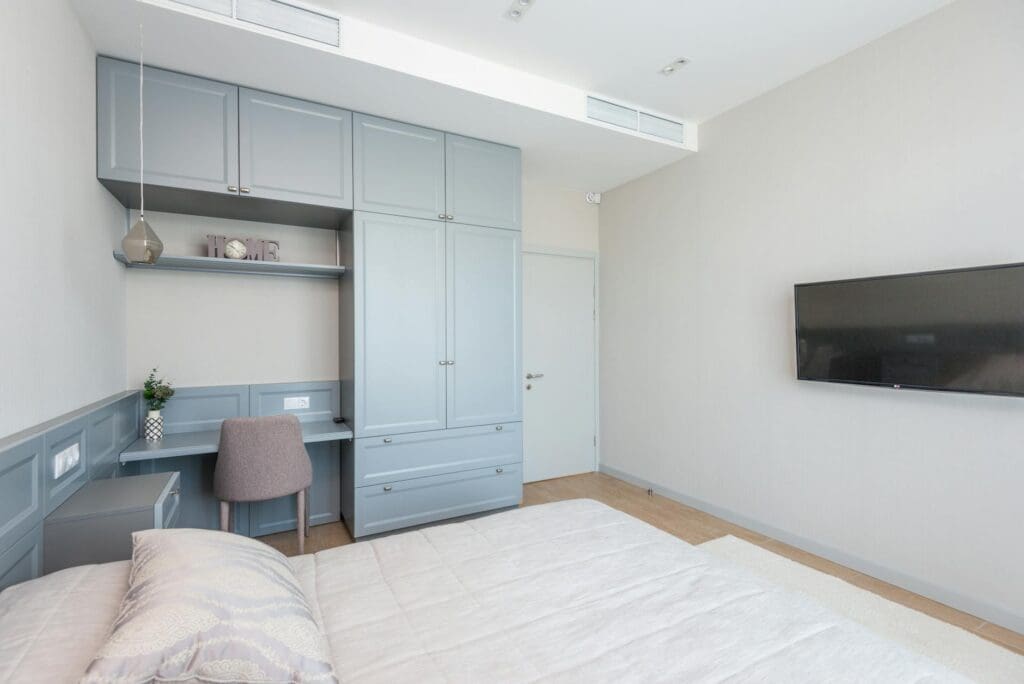
If your home office is visible to the rest of your house, consider cabinets designed to look like regular furniture. Credenzas with filing drawers or attractive wood cabinets with file storage keep things professional behind closed doors while maintaining the aesthetic of your home.
Features That Actually Matter
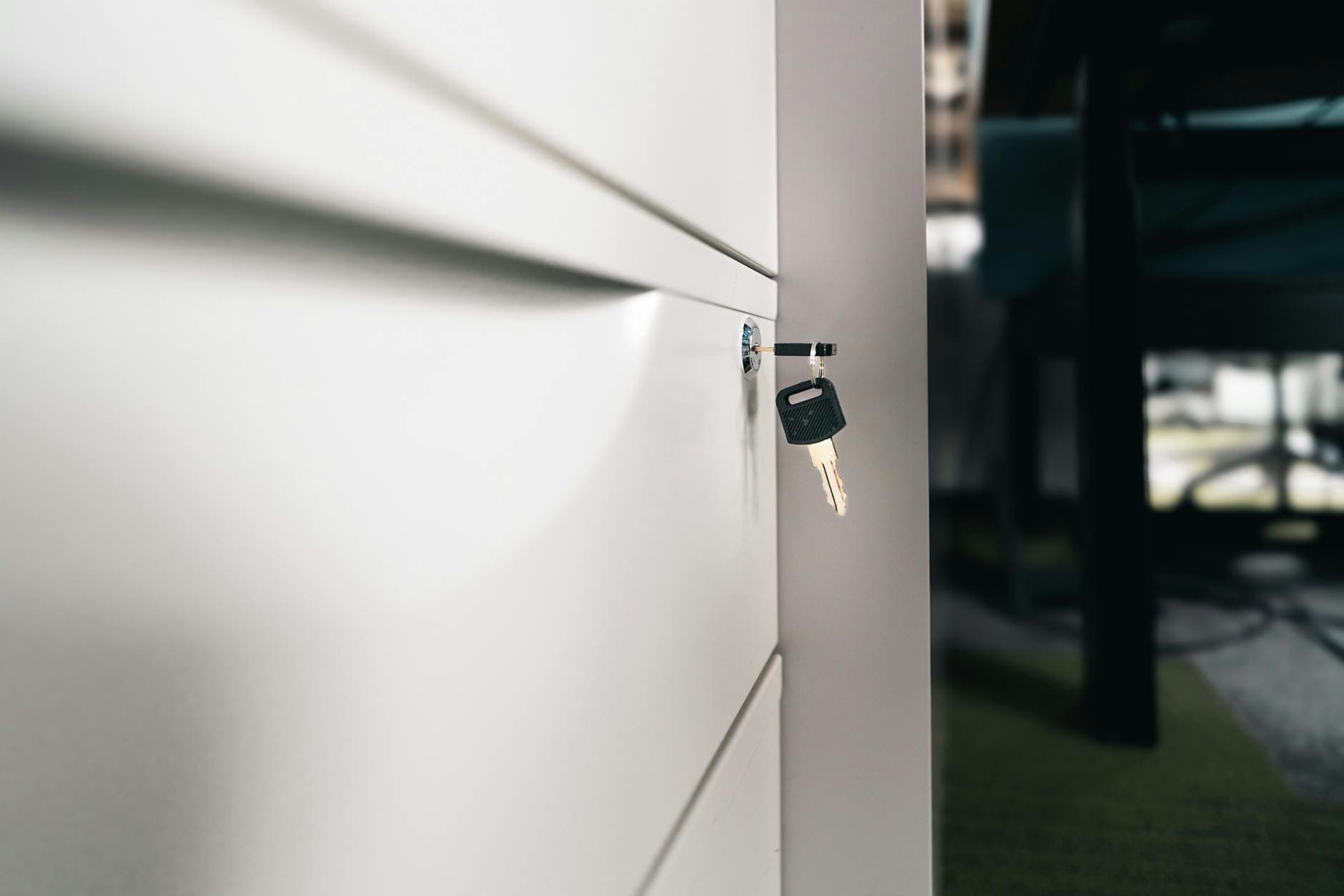
Full-extension drawers pull out completely, so you can access files at the very back—absolutely essential and worth confirming before buying. Locking mechanisms matter if you store sensitive documents; look for cabinets where one key locks all drawers simultaneously.
Check the drawer depth and whether the cabinet accommodates letter-size, legal-size, or both. Many lateral files include adjustable rails so you can configure them either way. Hanging file frames should be included, but verify this—some manufacturers make you buy them separately.
For mobile cabinets, make sure at least two casters lock to keep the unit stationary when you’re accessing files. Cushioned drawer closes are a nice touch that prevents slamming and protects contents.
Choosing a filing cabinet comes down to honestly assessing your storage needs and how much you’re willing to invest in a piece you’ll interact with almost daily. A quality cabinet with smooth drawers and solid construction makes filing less of a chore, while the right style ensures your home office feels intentional rather than makeshift. Measure your space, count your file boxes, and look for something sturdy enough to last as long as you’ll need to keep those documents.
Your home office deserves better than a jumble of mismatched shelves and that filing cabinet you’ve been meaning to replace. A storage wall unit can transform your workspace from chaotic to composed, giving you dedicated spots for books, supplies, tech equipment, and all those things that currently live in piles. The trick is finding one […]
If you’re drowning in papers, sticky notes, and file folders that haven’t been touched in months, you’re not alone. The promise of a paper-free office isn’t just about going digital—it’s about choosing furniture and storage solutions that support a cleaner, more organized way of working. The right setup makes it easier to maintain that clutter-free […]
Your back is telling you it’s time. After months of working from home in a dining chair or that hand-me-down seat from college, you’re ready to invest in a proper office chair. The good news? You don’t need to spend $800 on a Herman Miller to get real ergonomic support. The under-$300 market is packed […]