That spare bedroom sitting mostly empty except when family visits twice a year? You’re not alone in wanting more from that space. With remote work now a permanent fixture for many of us, creating a room that works as both a productive home office and welcoming guest room isn’t just smart—it’s practically essential. The good news is that with the right furniture choices and a bit of strategic planning, you can have both without compromise.
Choose Furniture That Pulls Double Duty
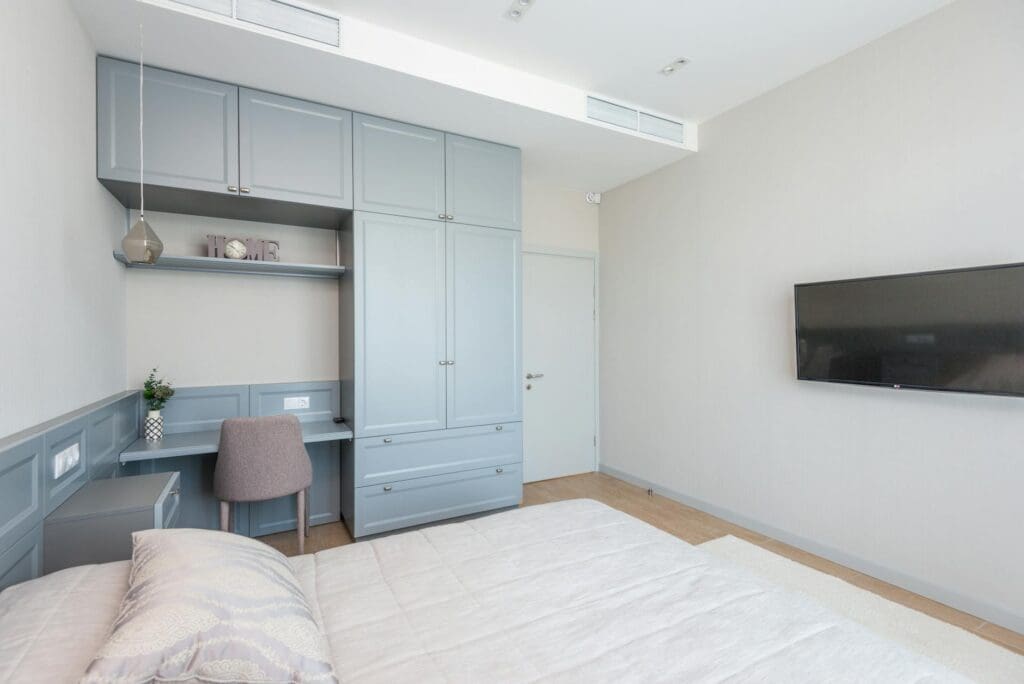
The foundation of any successful dual-purpose room is furniture that works overtime. A Murphy bed or wall bed is your best friend here—it folds up completely during the day, giving you full use of the floor space for your desk setup. Quality Murphy beds start around $800 for basic models, while custom built-ins with integrated shelving run $2,000-$4,000. If a Murphy bed feels too permanent, consider a high-quality sleeper sofa ($600-$2,500) positioned against one wall. Choose one with a real mattress rather than a thin pad—your guests will thank you.
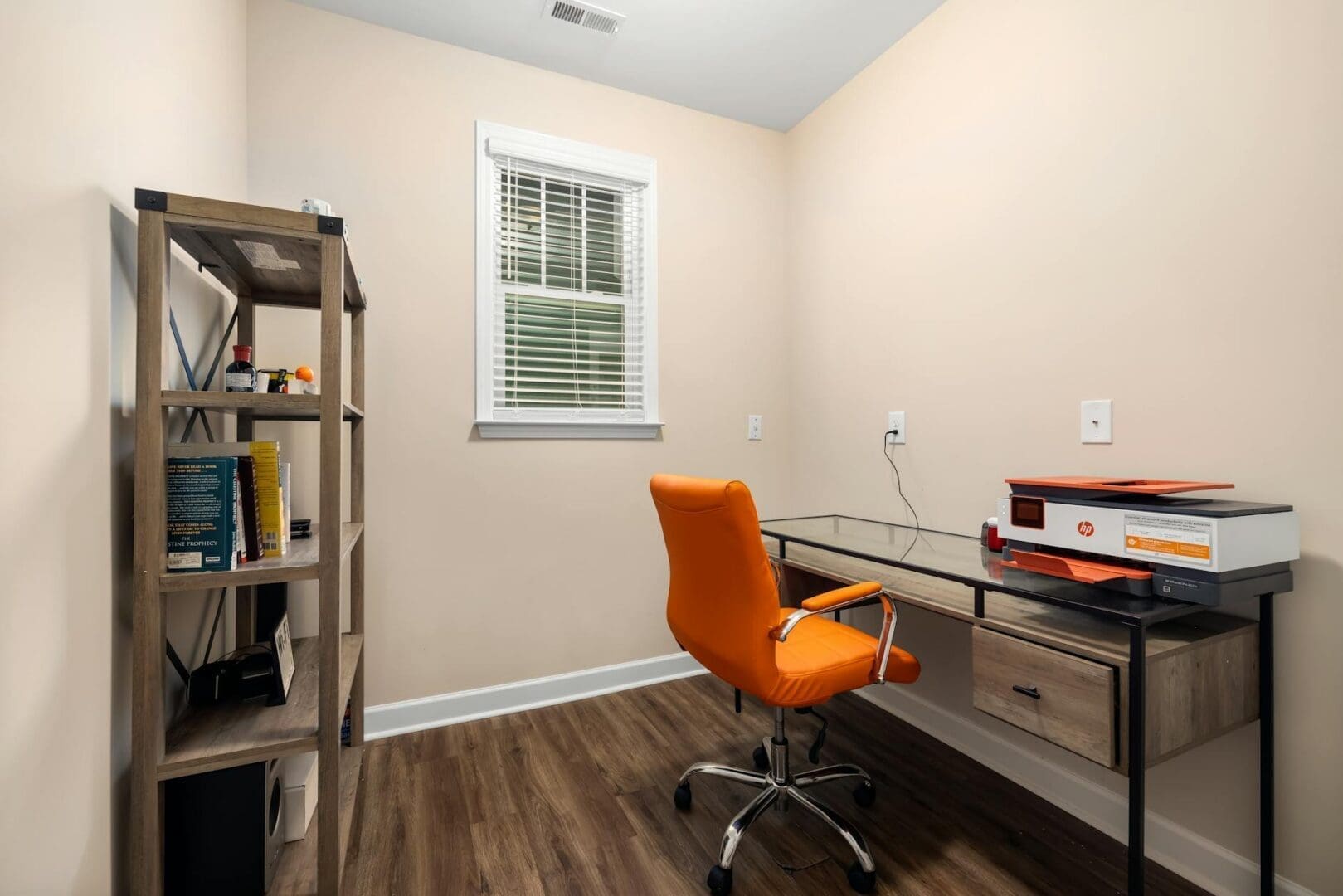
For your work surface, an L-shaped desk maximizes corner space and provides ample room for monitors and paperwork while leaving the rest of the room open. Floating desks or wall-mounted drop-leaf tables are excellent space-savers in smaller rooms, typically running $150-$500. Pair your desk with a comfortable office chair that you can easily tuck away or that looks intentional as part of the room’s overall design.
Create Distinct Zones Without Walls
The key to making this setup work psychologically is visual separation between the work and sleep areas. A bookshelf positioned perpendicular to the wall acts as a room divider while providing storage for both office supplies and guest room essentials. Open shelving units work particularly well because they don’t block light.
Area rugs help define each zone—place one under your desk area and another where the bed sits. This simple trick signals to your brain (and your guests) that these are separate spaces with different purposes. If your room allows, position your desk so it faces away from the sleeping area. When you’re working, you won’t stare at the bed, and when guests stay over, they won’t feel like they’re sleeping in your office.
Smart Storage Solutions Are Non-Negotiable
Clutter kills the vibe in a dual-purpose room faster than anything else. You need places to quickly stow work materials when guests arrive and spaces for guest essentials that don’t interfere with your daily routine.
A storage ottoman ($100-$400) serves as extra seating, a footrest, and hidden storage for bedding or office supplies. Closet systems with adjustable shelving let you dedicate half the space to work items and half to guest needs—hanging space for their clothes, shelves for extra pillows and blankets. Rolling file cabinets that fit under your desk keep paperwork contained and can be wheeled into a closet when needed.
Wall-mounted shelving and floating nightstands keep surfaces clear while providing necessary functionality. Invest in attractive storage boxes and baskets that look intentional on open shelves—they hide the mess while maintaining a cohesive design.
Design for Both Comfort and Productivity
Lighting makes or breaks a dual-purpose space. You need bright, focused task lighting for work—think adjustable desk lamps in the 400-800 lumen range—and softer, ambient lighting for when the room shifts to guest mode. A dimmer switch on overhead lighting ($20-$50 installed) lets you adjust the mood instantly. Add a bedside lamp with a warm bulb for guests who like to read before sleep.
Keep the color palette neutral and calming. Grays, soft blues, and warm whites work well in both contexts and won’t feel too specific to either function. Add personality through easily changeable elements like throw pillows, artwork, and desk accessories. A few plants bring life to the space without taking sides in the office-versus-bedroom debate.
The trick to a successful dual-purpose room is being honest about how you’ll actually use the space most days while ensuring it transforms easily for guests. Measure your room carefully, prioritize furniture that serves multiple functions, and don’t skimp on storage. When you get the balance right, you’ll wonder why you didn’t do this sooner.
Your home office deserves better than a jumble of mismatched shelves and that filing cabinet you’ve been meaning to replace. A storage wall unit can transform your workspace from chaotic to composed, giving you dedicated spots for books, supplies, tech equipment, and all those things that currently live in piles. The trick is finding one […]
If you’re drowning in papers, sticky notes, and file folders that haven’t been touched in months, you’re not alone. The promise of a paper-free office isn’t just about going digital—it’s about choosing furniture and storage solutions that support a cleaner, more organized way of working. The right setup makes it easier to maintain that clutter-free […]
Your back is telling you it’s time. After months of working from home in a dining chair or that hand-me-down seat from college, you’re ready to invest in a proper office chair. The good news? You don’t need to spend $800 on a Herman Miller to get real ergonomic support. The under-$300 market is packed […]