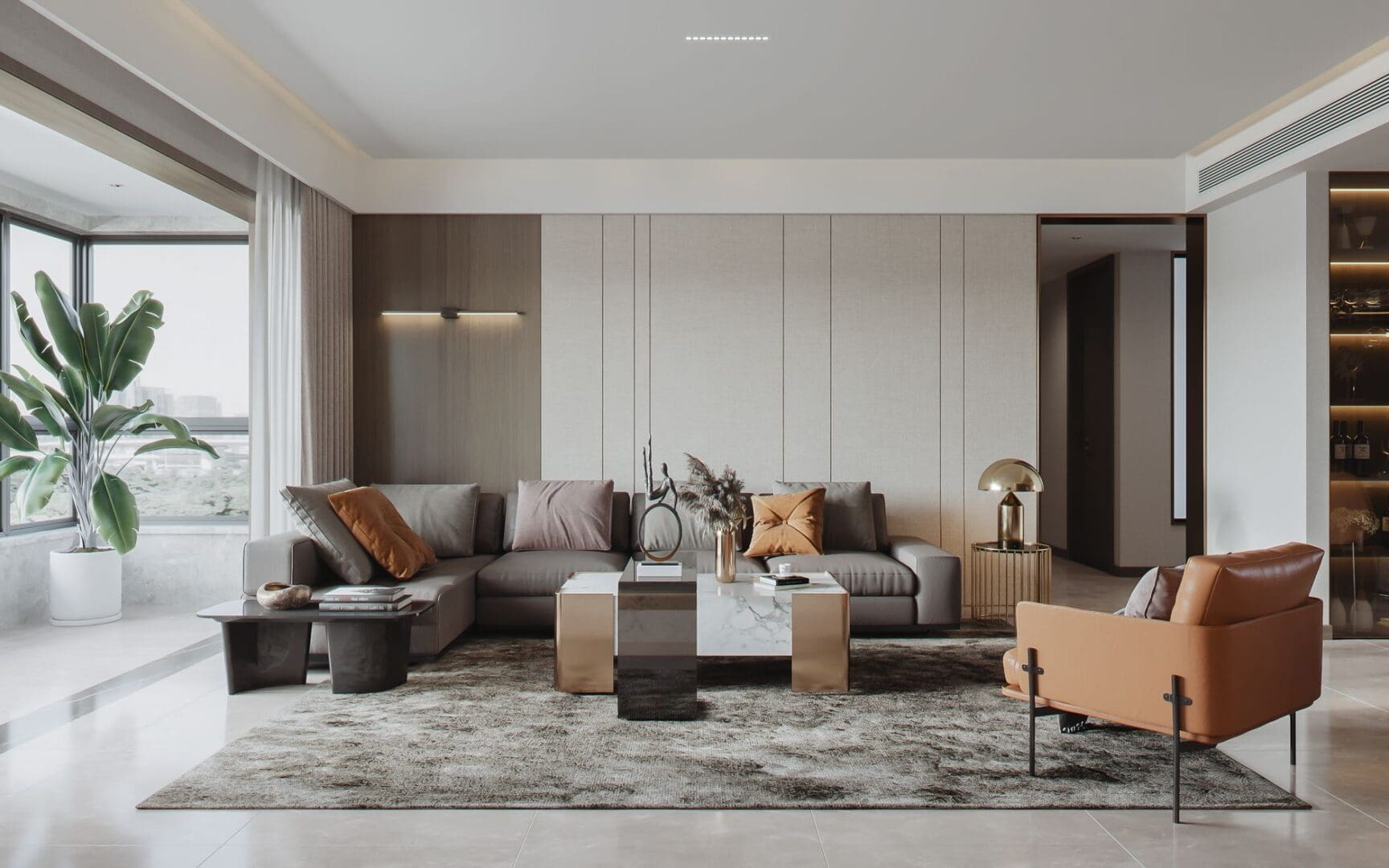
A drum coffee table brings something special to your living room—sculptural presence, conversation-starting shape, and a softer silhouette than traditional rectangular options. But with their distinctive cylindrical form, these tables require thoughtful consideration to get the proportions and style right for your space. Here’s what you need to know before buying.
Getting the Size Right
Drum coffee tables typically range from 28 to 40 inches in diameter, and choosing the right size matters more than you might think. Too large, and it overwhelms your seating area; too small, and it looks lost and impractical.
Measure the distance between your sofa and facing chairs. Your drum table should sit about 14 to 18 inches away from seating on all sides—close enough to reach your coffee mug, far enough to walk around comfortably. For most standard living rooms, a 32 to 36-inch diameter works well. If you have a sectional or larger space, consider going up to 38 or 40 inches.
Height is equally important. Standard drum coffee tables range from 16 to 20 inches tall. The sweet spot is typically 1 to 2 inches lower than your sofa seat height. Lower profiles (16-17 inches) create a more modern, grounded look, while taller options (18-20 inches) work better if you’ll be eating or working from the table.
Materials and Construction Quality
Drum coffee tables come in an impressive range of materials, each with distinct advantages:
Wood drums offer warmth and versatility, from rustic reclaimed timber to sleek walnut finishes. Look for solid wood or thick veneers rather than laminate. Budget options start around $250, while quality hardwood pieces run $500-$1,200.
Metal drums in brass, bronze, or powder-coated finishes deliver modern elegance. Check that the metal gauge feels substantial—flimsy metal drums dent easily. Expect to pay $350-$900 for well-made options.
Upholstered drums double as extra seating and add softness to hard-edged rooms. Performance fabrics resist staining better than cotton or linen. These typically range from $400-$1,000.
Stone or concrete drums make bold statements but require reinforced floors in upper-level rooms. Budget $600-$2,000+ depending on whether it’s concrete, marble, or travertine.
Examine the bottom construction—quality pieces have reinforced bases with felt pads to protect flooring. If the drum has storage inside, test that the top lifts smoothly and feels secure when closed.
Style Considerations for Your Space
The beauty of drum tables is their adaptability, but matching the right style to your room prevents buyer’s remorse.
For modern and contemporary spaces, look for clean-lined drums in brass, marble, or high-gloss lacquer. Monochromatic finishes work especially well. For bohemian or eclectic rooms, carved wood drums, embossed metal, or globally-inspired patterns add personality without cluttering the space visually.
In traditional settings, classic wood tones with subtle detailing integrate seamlessly, while transitional spaces benefit from simpler drums that bridge styles—think linen upholstery or mixed materials like wood and metal.
Consider your room’s existing shapes too. If you have a lot of rectangular furniture and angular lines, a drum table provides pleasing contrast. But in a room already full of curves and round elements, you might want something with more edge.
Functional Features Worth Considering
Think beyond looks to how you’ll actually use this table daily. Do you need storage? Drum tables with lift-top lids or open bottom shelves keep remotes and magazines accessible but hidden. These typically add $100-$300 to the base price but can eliminate the need for additional storage furniture.
Surface durability matters if you have kids, pets, or entertain frequently. Sealed wood, metal, and stone surfaces tolerate spills and wear better than unsealed or light-colored upholstery. Some upholstered drums come with removable trays that sit on top, giving you a stable surface for drinks while protecting the fabric underneath.
Weight is another practical consideration—solid stone or metal drums can weigh 80+ pounds, making rearranging furniture a two-person job. If you like changing your layout seasonally, lighter wood or upholstered options offer more flexibility.
A drum coffee table can absolutely transform your living room, bringing sculptural interest and functional surface space in one smart package. Now that you know what to look for in terms of size, materials, and style, you’re ready to find the piece that fits both your space and how you live in it.
You need more storage in your living room, but a bulky bookcase feels too heavy and floating shelves aren’t cutting it. A credenza might be exactly what you’re looking for—it’s that low-profile cabinet that gives you tons of hidden storage while creating a beautiful surface for lamps, plants, and the things you actually want to […]
If you’ve been hitting snooze repeatedly or dragging yourself out of bed feeling groggy, you’re not alone. Waking up to a jarring alarm in a dark room works against your body’s natural rhythms, especially during winter months. A sunrise alarm clock mimics natural dawn, gradually filling your room with light to ease you awake. But […]
Waking up at 3 a.m. with a sweaty neck and flipping your pillow to the cool side for the fourth time isn’t just annoying—it’s robbing you of quality sleep. If you’re a hot sleeper, your pillow might be trapping heat against your head and neck all night long. The good news? The right cooling pillow […]