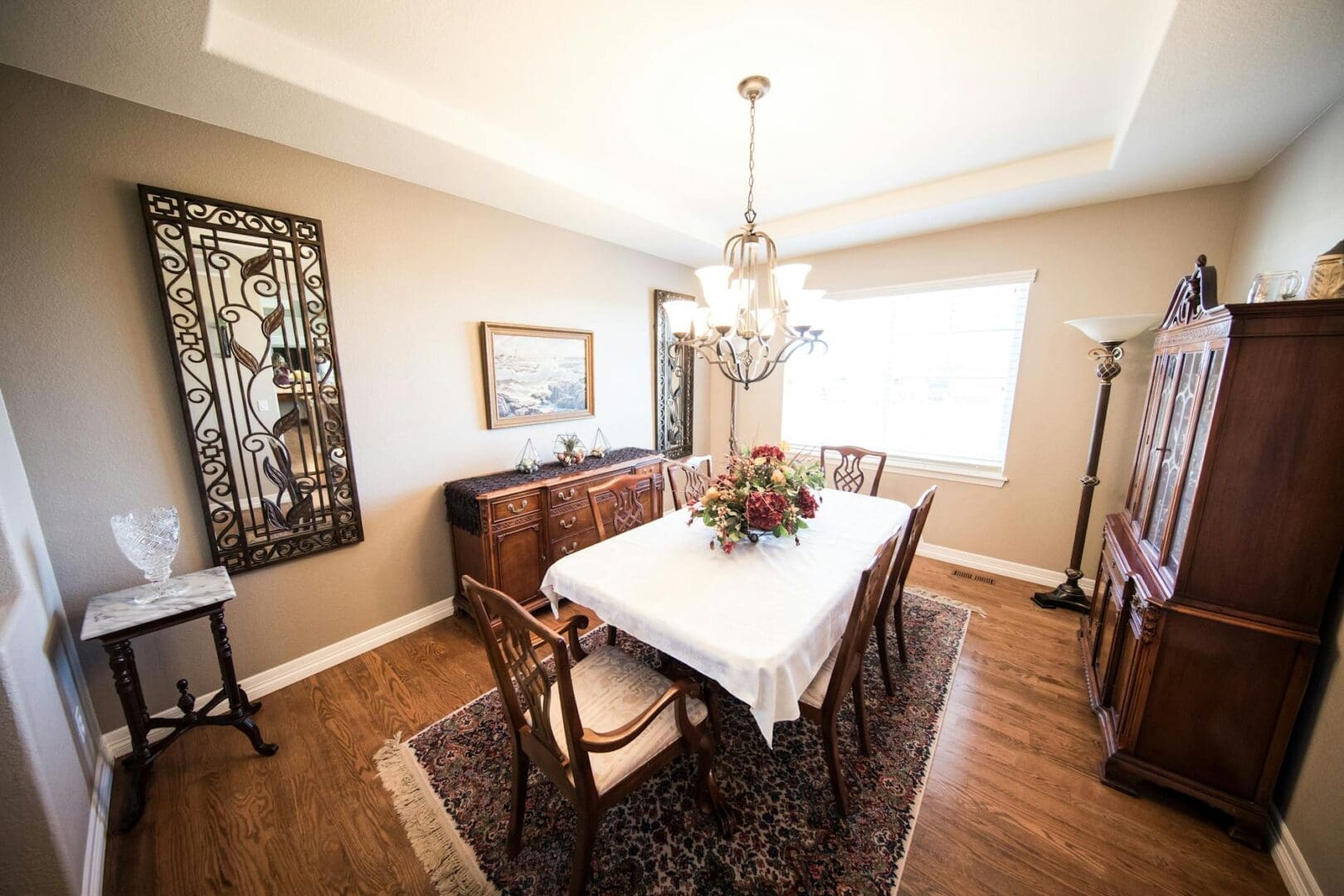
Standing in a furniture showroom (or scrolling endlessly online), you’ve probably noticed two very different approaches to dining room furniture: perfectly coordinated sets that come with a table and matching chairs, and individual pieces that you can mix however you’d like. Both have their merits, and honestly, there’s no universally “right” answer. The best choice depends on your design confidence, budget, timeline, and how you want your dining space to feel.
Let’s break down what you need to consider so you can make the choice that works for your home.
The Convenience Factor: Time and Decision Fatigue
Dining sets are the easy button of furniture shopping. You pick one collection, everything arrives together, and you’re done. If you’re furnishing a new home, working with a tight timeline, or simply don’t want to spend weeks comparing chair styles, a set eliminates about a dozen decisions in one swoop.
Buying separate pieces means you’ll need to coordinate finishes, heights, and styles yourself. You’ll measure seat heights against table aprons, compare wood tones in different lighting, and possibly wait for multiple delivery dates. It takes more time and mental energy, but it also gives you complete control over the final look.
Think about your current bandwidth honestly. If you’re already juggling a renovation or dealing with a recent move, the simplicity of a set might be worth more than the perfect customized look. But if you love the hunting process and have the time to invest, mixing pieces can be incredibly rewarding.
Style Flexibility and Your Design Vision
Here’s where separate pieces really shine: they let you create a more collected, personal look that doesn’t scream “I bought everything on the same day.” Pairing a rustic farmhouse table with upholstered chairs in a complementary fabric, or combining a sleek modern table with vintage-inspired seating, creates visual interest that matching sets simply can’t achieve.
That said, dining sets have evolved. You’re no longer limited to matchy-matchy traditional collections. Many manufacturers now offer sets with mixed chair styles—like upholstered end chairs with wood side chairs—or tables paired with a bench plus chairs. These give you some variety while maintaining cohesion.
Consider your overall design style. If your home leans eclectic or you love a curated, layered look, separate pieces will feel more authentic. If you prefer clean, coordinated spaces or lean traditional, a well-chosen set might actually be the more sophisticated option.
Budget Considerations and Long-Term Value
Dining sets typically offer better value per piece. Manufacturers bundle items at a lower combined price than you’d pay buying everything individually. A basic set with a table and four chairs might run $800-$1,500 at budget retailers, $1,500-$3,500 at mid-range stores, and $3,500+ for investment-quality pieces. That bundled pricing can save you 15-25% compared to buying separately.
However, buying separate pieces gives you budget flexibility. You can splurge on an heirloom-quality table (which takes the most abuse and lasts longest) and pair it with more affordable chairs that you can replace or reupholster down the line. Or invest in amazing chairs and start with a simpler table you’ll upgrade later.
This phased approach also spreads out the financial hit. Buy the table now, add chairs next month, upgrade to upholstered end chairs for the holidays. Sets require the full investment upfront, though many retailers offer financing.
Practical Considerations: Sizing and Future Needs
Sets usually come in standard configurations—table plus four or six chairs. If you need an odd number of seats or want a specific table size that doesn’t match standard chair quantities, you’re immediately in separate-pieces territory.
Think ahead to how your needs might evolve. Separate pieces make it easier to add more seating later or replace damaged chairs without worrying about discontinued collections. With a set, finding a matching replacement chair five years from now can be anywhere from difficult to impossible.
Also consider your chair needs specifically. Do you want all matching chairs, or would a mix of armchairs and side chairs work better? Do you need easy-clean chairs for young kids now, with plans to upgrade to upholstered seating later? Separate pieces accommodate these nuances more easily.
At the end of the day, both approaches can create a beautiful dining space. Dining sets work beautifully when you value convenience, cohesive design, and bundled savings. Separate pieces give you flexibility, personality, and the ability to invest strategically over time. Consider your timeline, budget, design confidence, and how you actually live in your space. Your dining room should work for your life, not the other way around.
Hallways are the overlooked workhorses of our homes—they connect every room, but rarely get the storage love they deserve. A well-chosen sideboard transforms that narrow stretch of wall into genuinely useful space without making your hallway feel like an obstacle course. The trick is finding one that fits the proportions of the room while actually […]
Dark kitchens—whether they feature rich espresso cabinets, moody charcoal walls, or black granite countertops—create incredible drama and sophistication. But they also present a unique challenge when it comes to choosing bar stools. Pick the wrong ones, and your beautiful space can feel cave-like or visually heavy. Choose wisely, and your stools become the bright spot […]
Your kitchen peninsula is prime real estate—it’s where morning coffee happens, where kids do homework while you’re prepping dinner, and where guests naturally gather during parties. Getting the right bar stools makes all the difference between a peninsula that feels welcoming and one that sits empty. But with so many options for height, style, and […]