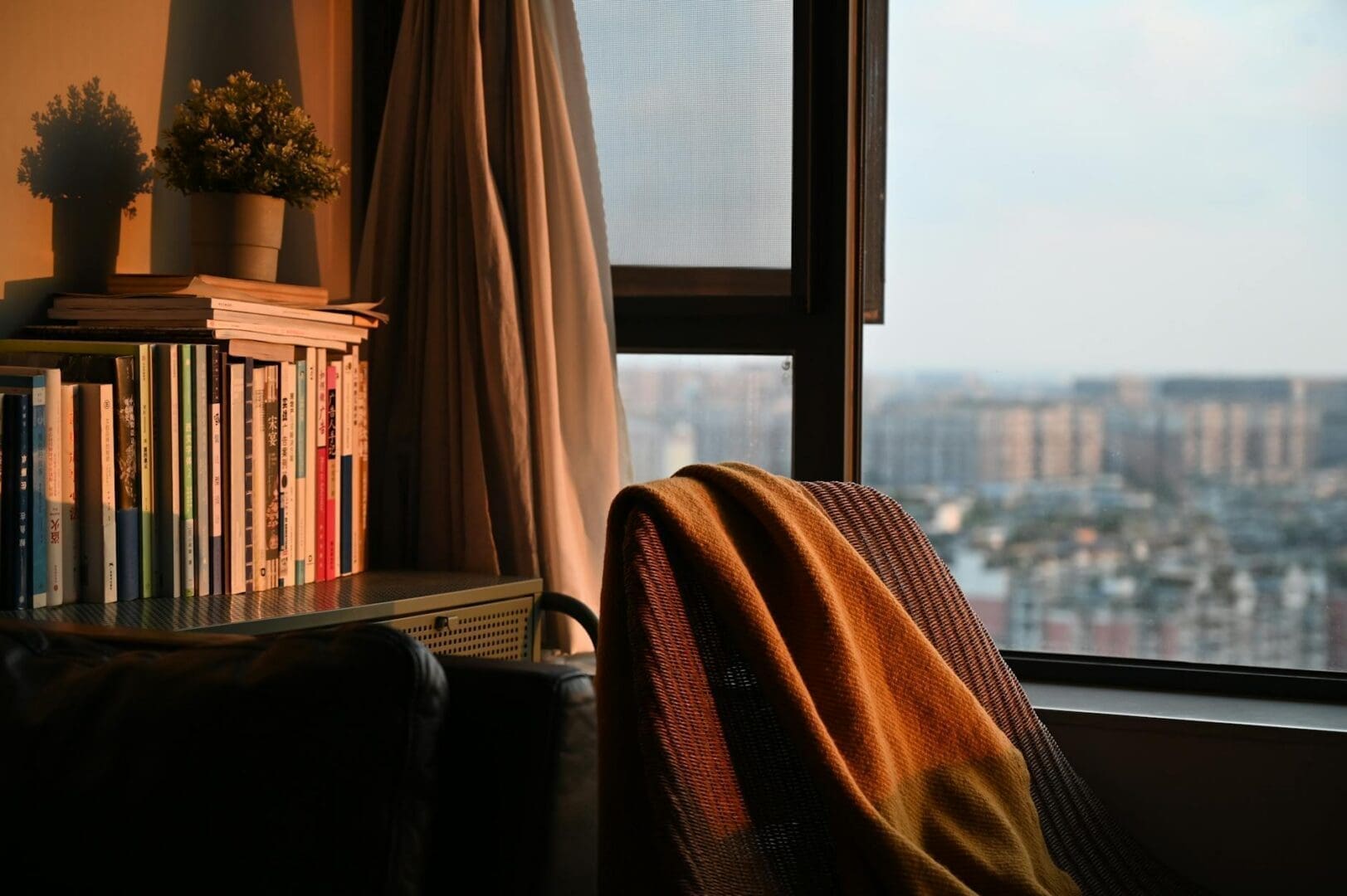
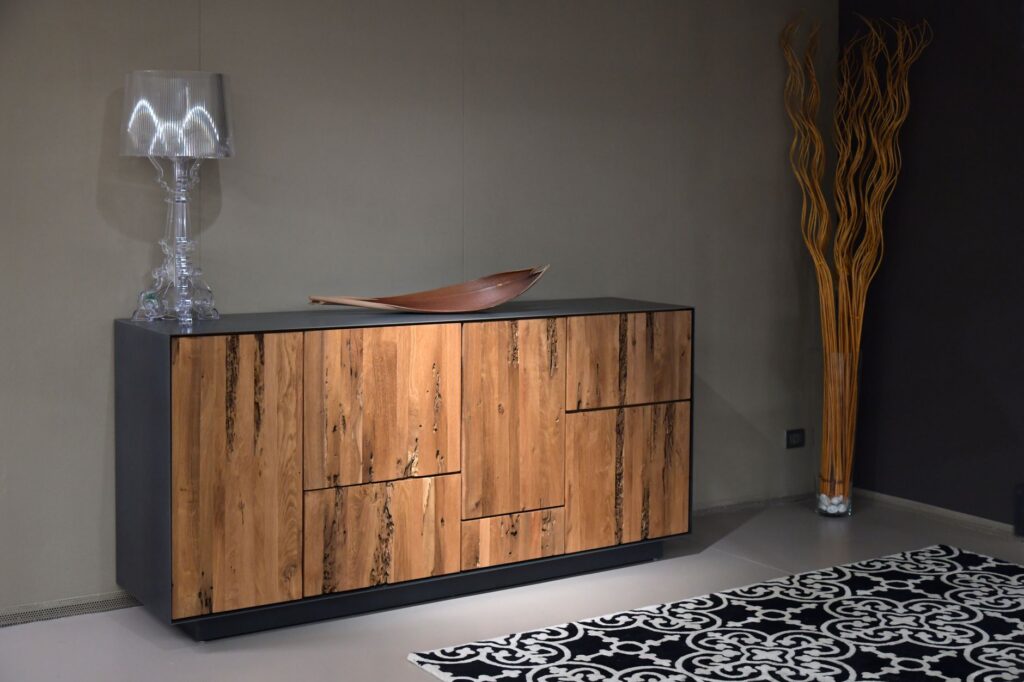
You don’t need a dedicated library or spare bedroom to create a peaceful reading spot. Even the busiest living room has potential for a cozy nook where you can disappear into a good book. Whether it’s an awkward corner, a window alcove, or just a few square feet you’re not using well, the right furniture and thoughtful setup can transform it into your new favorite place to unwind.
Finding the Right Spot in Your Living Room
Start by identifying underused spaces. That corner behind the sofa? Perfect. The area next to a window with natural light? Even better. You need roughly 4-6 feet of floor space to accommodate a chair and small side table comfortably.
Natural light makes any reading nook better, but don’t let a darker corner stop you—good task lighting solves that problem. Consider traffic flow, too. You want a spot that feels tucked away, not one where people will constantly brush past you on their way to the kitchen.
If your living room is open-concept, think about using a bookshelf or tall plant as a subtle divider. This creates a psychological boundary that makes the nook feel like its own distinct space without requiring actual walls.
Choosing the Perfect Reading Chair
Your chair makes or breaks the nook. You’ll want something that supports long reading sessions—think deep seats, good back support, and arms at a comfortable height for resting a book or e-reader.
Accent chairs with high backs work beautifully because they create a sense of enclosure. Look for seat depths of at least 21 inches if you like to curl up. Wingback chairs offer that classic library feel and help block distractions from your peripheral vision. For tighter spaces, a compact armchair or even a papasan chair can work if it fits your style.
Budget-friendly options start around $200-300 for basic upholstered chairs. Mid-range picks ($400-800) typically offer better cushioning and more durable fabrics. Splurge-worthy reading chairs ($900+) feature premium upholstery, hardwood frames, and will last for decades.
Don’t forget the ottoman or footstool. Elevating your feet transforms good seating into truly comfortable seating. A small storage ottoman does double duty, hiding your current book stack inside.
Lighting That Actually Works for Reading
Overhead lighting rarely provides enough illumination for comfortable reading. You need focused light that eliminates eye strain without being harsh.
Floor lamps with adjustable arms let you direct light exactly where you need it. Look for lamps with a minimum 450 lumens for reading—many are labeled specifically as “reading lamps.” Warm white bulbs (2700-3000K) create a cozier atmosphere than cool white.
If you have a side table, a table lamp with a 60-75 watt equivalent LED bulb works well. Swing-arm wall sconces are ideal for tight spaces since they don’t take up any floor or table real estate. Expect to spend $50-150 for a quality reading lamp that will serve you well.
Storage and Surface Solutions
Every reading nook needs a landing spot for your current book, reading glasses, and coffee mug. A small side table or C-shaped table that slides under your chair does the job. Round tables work better in tight corners than square ones.
For book storage, a small bookshelf next to your nook keeps your to-read pile within arm’s reach. Ladder shelves lean against the wall and have a smaller footprint than traditional bookcases. Wall-mounted shelves work if floor space is really limited, though you’ll need to get up to grab a new book.
Baskets tucked beside or under your chair can hold throws, magazines, or extra pillows. They keep things tidy while adding texture to your nook.
Adding Comfort and Personality
A soft throw blanket and a lumbar pillow or two make your nook more inviting. Choose textures that appeal to you—chunky knits for cozy, linen for casual, velvet for luxe.
A small area rug defines the space and adds warmth underfoot, especially important if your living room has hardwood or tile. A 4×6 or 5×7 rug typically works for a reading nook.
Personal touches matter. A small plant, a scented candle, or framed art that makes you happy turns a functional corner into a space that truly feels like yours.
Creating a reading nook isn’t about having the perfect space—it’s about making smart choices with the space you have. Start with a comfortable chair and good lighting, then build from there. Even the smallest nook can become your favorite spot in the house when it’s set up thoughtfully.
You need more storage in your living room, but a bulky bookcase feels too heavy and floating shelves aren’t cutting it. A credenza might be exactly what you’re looking for—it’s that low-profile cabinet that gives you tons of hidden storage while creating a beautiful surface for lamps, plants, and the things you actually want to […]
If you’ve been hitting snooze repeatedly or dragging yourself out of bed feeling groggy, you’re not alone. Waking up to a jarring alarm in a dark room works against your body’s natural rhythms, especially during winter months. A sunrise alarm clock mimics natural dawn, gradually filling your room with light to ease you awake. But […]
Waking up at 3 a.m. with a sweaty neck and flipping your pillow to the cool side for the fourth time isn’t just annoying—it’s robbing you of quality sleep. If you’re a hot sleeper, your pillow might be trapping heat against your head and neck all night long. The good news? The right cooling pillow […]