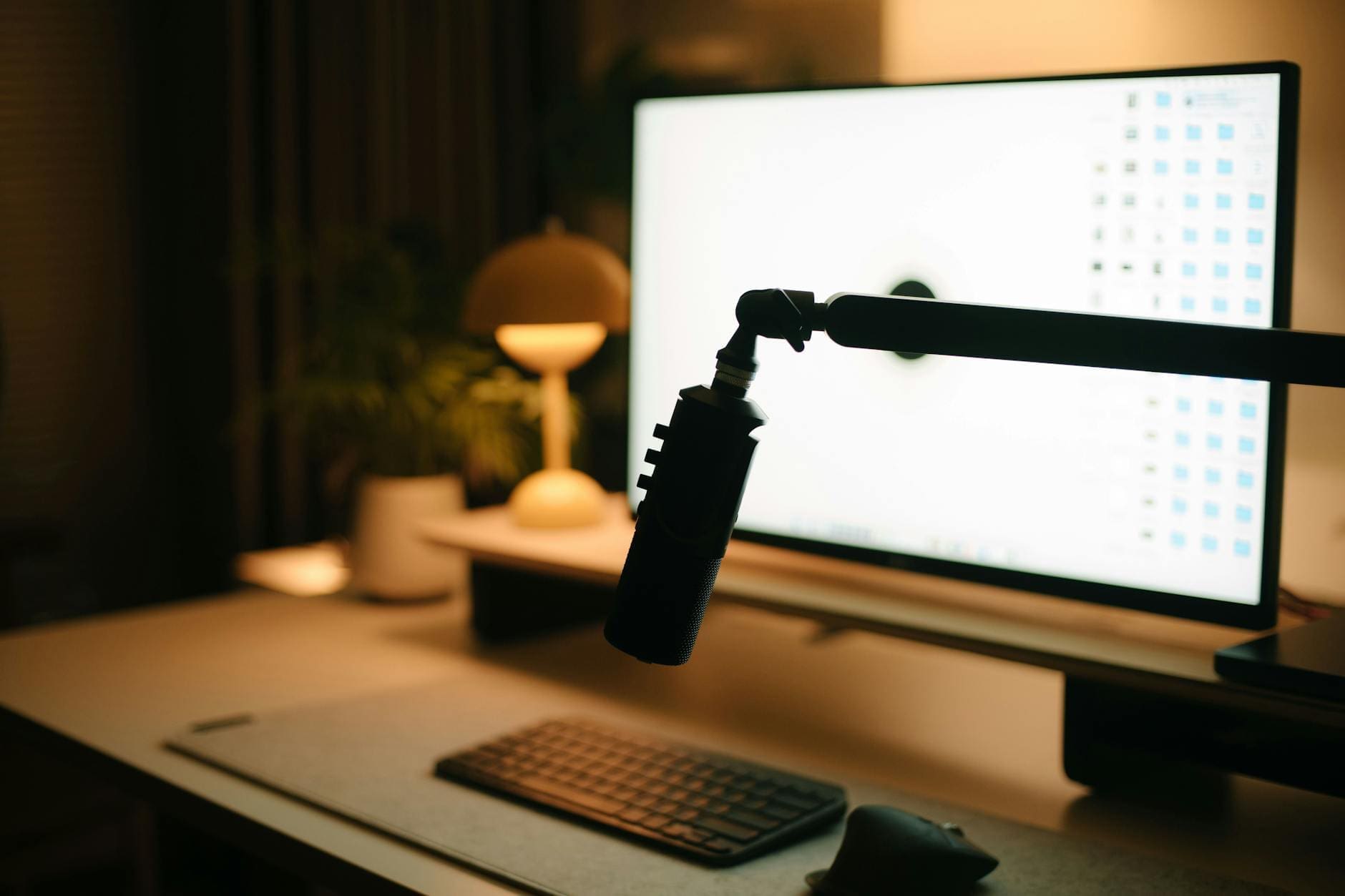
Whether you’re launching a new show or tired of recording from your cluttered kitchen table, creating a dedicated podcast space at home makes a real difference in both your audio quality and your consistency. The good news? You don’t need a spare room or a massive budget to set up a functional recording area. With the right furniture choices and a few strategic additions, you can carve out a professional-feeling space that helps you show up and record.
Finding and Defining Your Recording Space
Before you buy a single piece of furniture, identify where you’ll record. A corner of a bedroom, a section of your home office, or even a walk-in closet can work beautifully. The key is choosing a spot away from street noise, HVAC vents, and high-traffic areas in your home.
Once you’ve chosen your location, you’ll need a desk or table that comfortably fits your equipment. A compact writing desk (around 42-48 inches wide) works well for solo podcasters with a microphone, laptop, and small mixer. If you’re recording with a co-host or guest, consider a small conference table or a larger desk (60 inches or more) that seats two people comfortably without your mics picking up every shuffle and bump. Budget options start around $150-$250 for a basic desk, while a solid wood or high-quality engineered wood desk runs $400-$800.
Look for desks with cable management features—grommets or built-in channels—since podcast setups involve more wires than typical computer work. A clean cable situation isn’t just aesthetic; it prevents accidental unplugging mid-recording.
Seating That Supports Long Recording Sessions
You might spend 2-3 hours in your recording chair once you factor in setup, the actual recording, and any post-session notes. An uncomfortable chair will have you shifting and squeaking, which your microphone will happily capture.
Skip the folding chairs and invest in proper seating. For solo podcasters, an ergonomic office chair with adjustable height and lumbar support makes sense—expect to spend $200-$400 for something that’ll last. Mesh-back chairs are quieter than leather when you move, which matters more than you’d think.
If you’re recording conversational podcasts with guests, consider armless chairs or small accent chairs. They allow people to lean forward naturally and gesture without bumping armrests against the desk. Two matching armless dining chairs ($100-$200 each) can work perfectly and tuck away when not in use.
Acoustic Treatment Through Smart Furniture Choices
Hard surfaces create echo and reverb that make your podcast sound amateurish. While professional acoustic panels help, your furniture choices can do a surprising amount of acoustic work.
Upholstered furniture absorbs sound beautifully. A bookshelf filled with books behind you creates diffusion and breaks up sound waves. A small upholstered bench or storage ottoman ($80-$200) can sit in your recording space and do double duty—extra seating for guests and sound absorption.
Area rugs are podcast gold. They eliminate the hollow sound of hardwood or tile floors and reduce foot noise. A 5×7 or 6×9 rug under your recording setup runs $100-$500 depending on material and quality. Thicker pile heights work better acoustically than flat weaves.
Heavy curtains on windows near your recording spot help too. Look for thermal or blackout curtains ($40-$100 per panel) which have enough density to dampen outside noise and reduce echo. If your recording space doesn’t have windows, a decorative tapestry or fabric wall hanging serves the same acoustic purpose while making the space feel intentional.
Storage and Organization for Equipment
Podcast gear multiplies quickly—headphones, cables, pop filters, backup equipment. Without proper storage, your recording space becomes chaotic, and setup time eats into your creative energy.
A small filing cabinet or storage cart keeps equipment organized and protected from dust. Rolling carts ($60-$150) are especially handy because you can wheel your entire setup to a closet if your recording space pulls double duty as a guest room or office. Look for carts with at least one closed drawer or cabinet for equipment you want out of sight.
Wall-mounted shelving above or beside your desk provides homes for items you need visible but not on your work surface. Floating shelves ($30-$80 per shelf) keep small items accessible while maintaining a clean recording area. A small desktop organizer or caddy ($20-$50) corrals the items you grab constantly—pens, notes, emergency cough drops.
Your podcast recording space doesn’t need to be elaborate, but it should be purposeful. The right desk gives you room to work, proper seating keeps you comfortable through long sessions, and thoughtful furniture choices improve your sound quality without expensive acoustic treatment. Start with the essentials—desk, chair, and something soft to absorb sound—then add organizational pieces as your setup evolves. A well-furnished recording space makes podcasting feel less like a technical challenge and more like the creative work it should be.
You need more storage in your living room, but a bulky bookcase feels too heavy and floating shelves aren’t cutting it. A credenza might be exactly what you’re looking for—it’s that low-profile cabinet that gives you tons of hidden storage while creating a beautiful surface for lamps, plants, and the things you actually want to […]
If you’ve been hitting snooze repeatedly or dragging yourself out of bed feeling groggy, you’re not alone. Waking up to a jarring alarm in a dark room works against your body’s natural rhythms, especially during winter months. A sunrise alarm clock mimics natural dawn, gradually filling your room with light to ease you awake. But […]
Waking up at 3 a.m. with a sweaty neck and flipping your pillow to the cool side for the fourth time isn’t just annoying—it’s robbing you of quality sleep. If you’re a hot sleeper, your pillow might be trapping heat against your head and neck all night long. The good news? The right cooling pillow […]