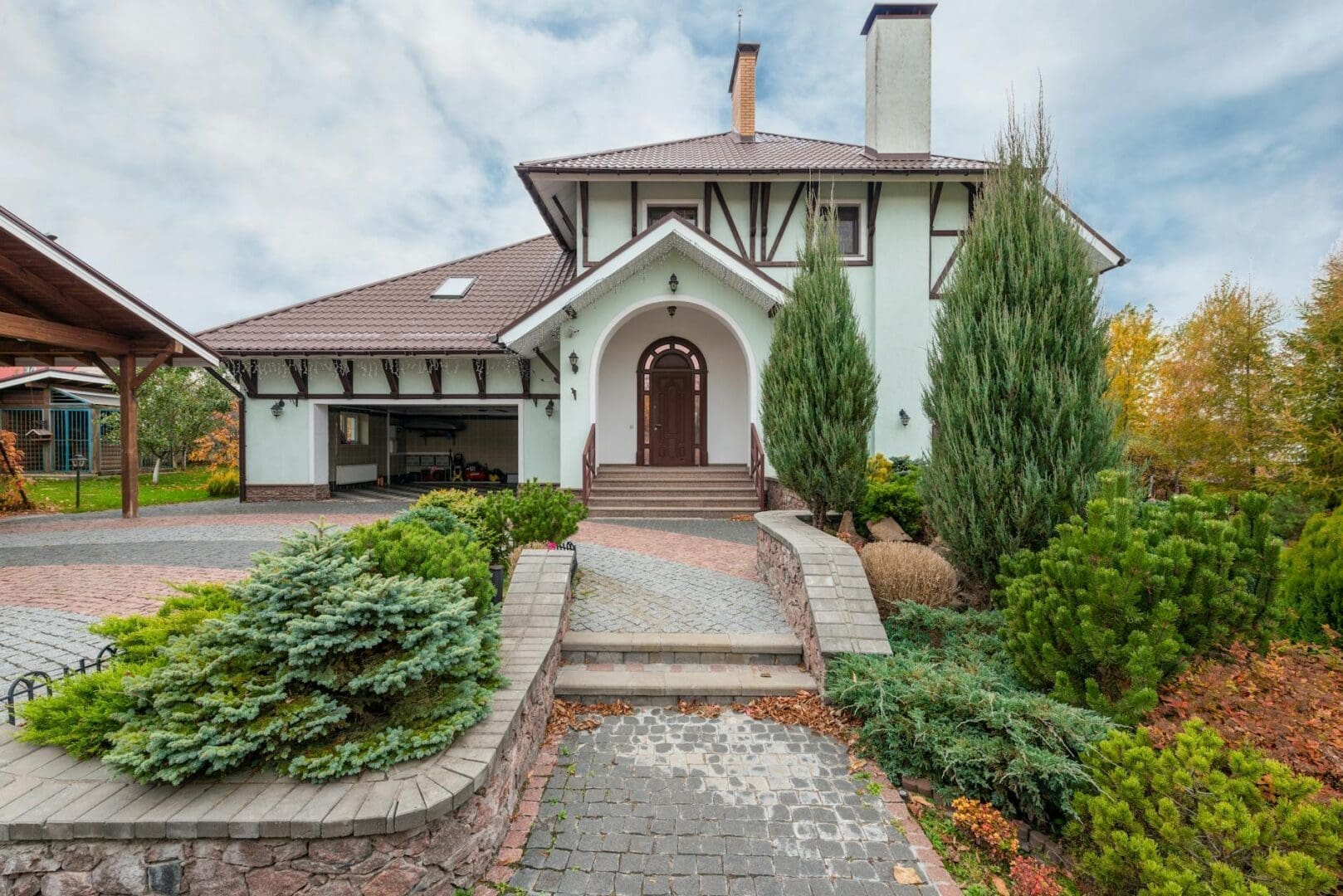
Your home’s exterior is the first thing guests see—and the last thing you want to spend thousands on. The good news? Creating impressive curb appeal doesn’t require a full renovation or landscaping overhaul. With some strategic choices in outdoor furnishings and decor, you can transform your front entrance into something that makes both you and your neighbors do a double-take.
Start With Your Front Door Area
The front door is your home’s focal point, and it’s where small investments make the biggest visual impact. A fresh doormat is the easiest win—look for coir or rubber options in the $25-$50 range that can weather the elements while adding personality. Pair it with a statement planter on either side of the door. You don’t need matching urns that cost $200 each; two simple ceramic or resin planters in the $30-$60 range work beautifully when filled with seasonal flowers or evergreen shrubs.
Consider updating your house numbers and door hardware too. Modern house numbers run $20-$40 for a full set, and swapping out a dated door handle or adding a new kickplate costs $50-$150. These small metallic touches catch the eye and signal that someone cares about the details. If your door itself looks tired, a weekend with primer and exterior paint ($40-$60) can completely change the vibe—bold colors like navy, forest green, or classic black photograph beautifully and add instant personality.
Layer in Seating and Outdoor Furniture
If you have a front porch or stoop, even a small one, adding seating makes your home feel welcoming. A simple bistro set runs $80-$150 for budget-friendly options, while a single rocking chair or bench can be found for $100-$200. Look for weather-resistant materials like treated wood, powder-coated metal, or all-weather wicker that won’t require constant maintenance.
The key is scale—measure your space before shopping. A too-large furniture piece overwhelms a small porch, while tiny furniture looks lost on a generous one. For narrow stoops, a slim console table or plant stand ($40-$80) can provide a surface for potted plants without blocking the walkway. Add an outdoor pillow or two in weather-resistant fabric ($15-$30 each) to introduce color and comfort without breaking the bank.
Use Lighting to Add Evening Appeal
Curb appeal doesn’t stop when the sun goes down. Outdoor lighting serves double duty—it improves safety and creates ambiance. Solar pathway lights are the budget champion here, with decent sets available for $30-$60 that require zero electrical work. Line your walkway or flank your front steps to guide visitors and add a warm glow.
For the porch itself, consider updating your overhead fixture. A new exterior light fixture typically ranges from $50-$150 for attractive options that feel current. Lantern-style fixtures work with traditional homes, while sleek black metal or matte finishes suit modern aesthetics. If you’re renting or don’t want to deal with electrical work, battery-operated LED lanterns ($20-$40) placed on steps or tables create a similar effect. String lights are another affordable option at $25-$50 for a quality strand—just keep them tasteful rather than looking like permanent holiday decor.
Add Finishing Touches With Accessories
The details tie everything together. A weather-resistant outdoor rug ($40-$100) defines your porch space and adds color underfoot. Look for synthetic materials that can handle moisture and won’t fade quickly. Window boxes mounted beneath front windows ($30-$60 per box) add charm without taking up ground space—perfect for homes with limited porch areas.
Don’t underestimate the power of a wreath or door swag ($30-$70 for quality options). Unlike seasonal decor that needs constant swapping, choose something fairly neutral that works year-round, like eucalyptus or mixed greenery. A stylish mailbox or wall-mounted planter ($40-$90) near the entrance adds another layer of interest. Even something as simple as a boot tray or umbrella stand ($25-$50) keeps things tidy while adding function.
Creating curb appeal on a budget is about making smart choices in the right places. Focus on the entrance where impact is highest, choose durable materials that won’t need replacing next season, and layer in pieces that reflect your personal style. Your front exterior should feel like a natural extension of your indoor space—welcoming, intentional, and unmistakably yours. Start with one or two high-impact changes, then build from there as your budget allows.
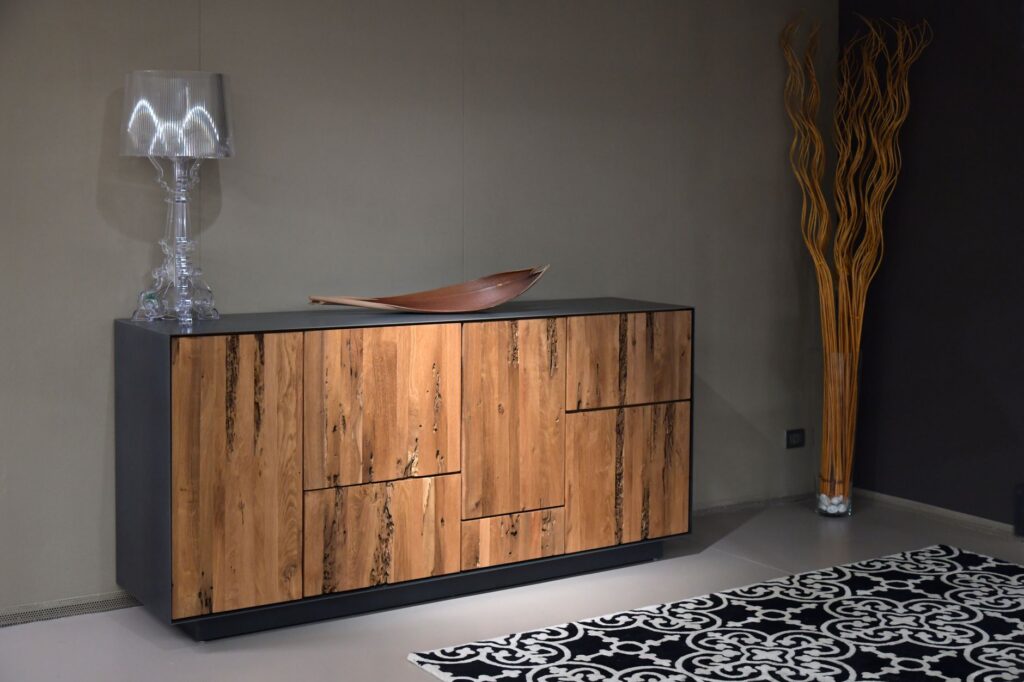
You need more storage in your living room, but a bulky bookcase feels too heavy and floating shelves aren’t cutting it. A credenza might be exactly what you’re looking for—it’s that low-profile cabinet that gives you tons of hidden storage while creating a beautiful surface for lamps, plants, and the things you actually want to […]
If you’ve been hitting snooze repeatedly or dragging yourself out of bed feeling groggy, you’re not alone. Waking up to a jarring alarm in a dark room works against your body’s natural rhythms, especially during winter months. A sunrise alarm clock mimics natural dawn, gradually filling your room with light to ease you awake. But […]
Waking up at 3 a.m. with a sweaty neck and flipping your pillow to the cool side for the fourth time isn’t just annoying—it’s robbing you of quality sleep. If you’re a hot sleeper, your pillow might be trapping heat against your head and neck all night long. The good news? The right cooling pillow […]