There’s something irresistibly romantic about cottage gardens—those lush, seemingly effortless outdoor spaces bursting with flowers, meandering paths, and cozy seating nooks. But here’s the good news: you don’t need a country estate or a fortune to create that charming, lived-in look. With some strategic planning and a willingness to start small, you can transform even a modest yard into a cottage garden retreat that feels like it’s been there for decades.
Start with Structure, Not Plants
The secret to an affordable cottage garden is beginning with hardscaping and furniture rather than filling carts at the nursery. A simple gravel path costs $50-100 for a small garden and instantly creates that quintessential cottage feel. Look for reclaimed bricks or pavers on Facebook Marketplace or Craigslist—people renovating driveways often give these away for free.
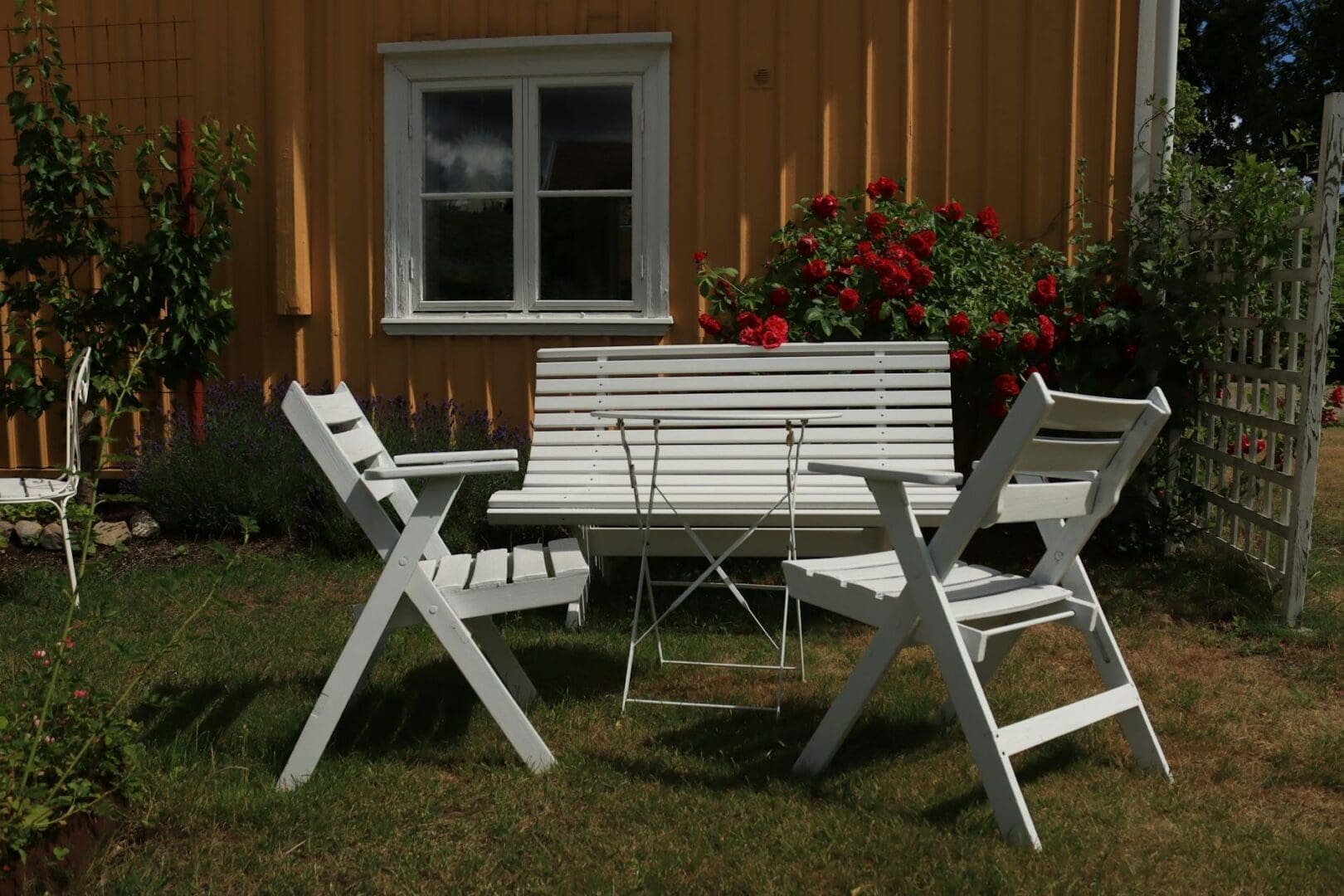
For seating, a weathered wooden bench (budget options start around $80-150) serves as both a focal point and a practical resting spot. Wrought iron bistro sets can be found for $100-200 at discount home stores, and they only look better as they develop a rusty patina. An old wooden ladder leaning against a fence makes a charming plant stand and costs nothing if you check your garage or a neighbor’s curb on trash day.
Consider adding a simple arbor or trellis at entry points. Basic wooden models run $50-100 and create instant vertical interest that makes your garden feel established, even in year one.
Choose Self-Seeding Plants and Perennials
This is where you’ll save the most money long-term. Annual flowers require replanting every year, but cottage garden classics like foxgloves, hollyhocks, columbines, and forget-me-nots reseed themselves generously. Buy one $5 plant this year, and you’ll have dozens next year.
Perennials cost more upfront ($8-15 per plant typically) but return year after year and multiply. Focus on cottage staples like catmint, lady’s mantle, lavender, and hardy geraniums. Shop end-of-season sales at nurseries in late summer when perennials go for 50-75% off—they’ll establish over fall and winter and bloom beautifully the following spring.
Join local gardening groups on social media where members frequently offer divisions of established plants for free or trade. Spring and fall are division season, and experienced gardeners often have far more than they need. A single divided hosta or daylily clump can give you 3-4 new plants at no cost.
Embrace the “Found” and “Flea Market” Aesthetic
Cottage gardens thrive on personality and patina, which means your décor budget can be practically zero. That chipped enamel watering can? Perfect as a planter. Mismatched terracotta pots from thrift stores ($1-3 each) look more authentic than matching sets. Old galvanized buckets, vintage shutters leaning against walls, and weathered crates all contribute to the cottage aesthetic.
For outdoor lighting, skip expensive solar fixtures and opt for simple string lights ($15-30) hung between posts or trees. Mason jar lanterns with tea lights cost pennies and create magical evening ambiance. A vintage metal lantern from an estate sale ($10-20) becomes a charming focal point on a side table or hung from a shepherd’s hook.
Window boxes don’t need to be expensive—you can build simple wooden ones for $20-30 in materials, or watch for sales at home improvement stores where they often hit $15-25 each in spring.
Think Layers, Not Perfection
The beauty of cottage gardens is their informal, abundant feel. This works in your favor when shopping on a budget because you’re adding gradually rather than installing everything at once. Start with one garden bed this year, add a path next year, expand with another seating area the year after.
Mulch generously with free wood chips (often available from tree services or municipal programs) to suppress weeds and create tidy edges around plantings. Edge beds with simple materials like upturned wine bottles, found stones, or split logs rather than expensive metal or plastic edging.
The cottage garden style actually improves with a slightly wild, overgrown look, so embrace plants spilling onto paths, mixing and mingling freely, and self-seeding in unexpected places. This controlled chaos is exactly what you’re aiming for—and it’s free.
Creating your cottage garden is more about patience and creativity than money. Start with a few key structural elements and foundational plants, then let time and nature do much of the work. By focusing on self-sustaining plants, secondhand finds, and the relaxed aesthetic that defines cottage style, you’ll have a garden that looks like a million dollars without spending anywhere near it.
You need more storage in your living room, but a bulky bookcase feels too heavy and floating shelves aren’t cutting it. A credenza might be exactly what you’re looking for—it’s that low-profile cabinet that gives you tons of hidden storage while creating a beautiful surface for lamps, plants, and the things you actually want to […]
If you’ve been hitting snooze repeatedly or dragging yourself out of bed feeling groggy, you’re not alone. Waking up to a jarring alarm in a dark room works against your body’s natural rhythms, especially during winter months. A sunrise alarm clock mimics natural dawn, gradually filling your room with light to ease you awake. But […]
Waking up at 3 a.m. with a sweaty neck and flipping your pillow to the cool side for the fourth time isn’t just annoying—it’s robbing you of quality sleep. If you’re a hot sleeper, your pillow might be trapping heat against your head and neck all night long. The good news? The right cooling pillow […]