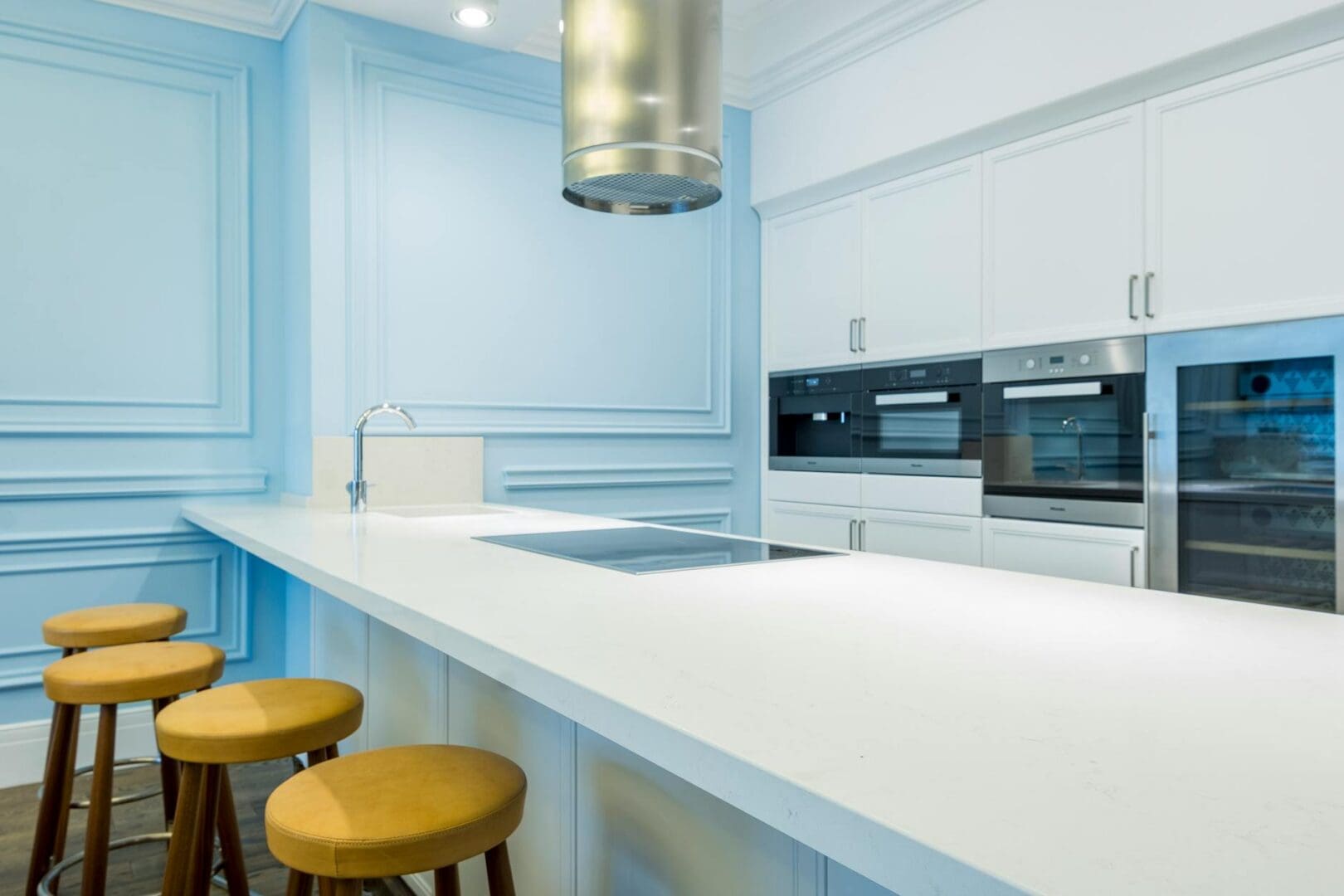
You’ve found the perfect stools online, placed your order, and waited excitedly for delivery day. Then they arrive, and… they’re way too short. Or awkwardly tall. It happens more often than you’d think, and it’s almost always because of confusion between counter height and bar height stools. These two categories might sound interchangeable, but getting the wrong one means uncomfortable seating and an awkward-looking kitchen. Let’s clear up the confusion so you can order with confidence.
The Magic Numbers: Understanding Standard Heights
Counter height stools typically have a seat height of 24 to 26 inches from the floor. They’re designed to pair with kitchen counters, kitchen islands, and counter-height tables that measure 35 to 39 inches tall. This is the standard height of most kitchen countertops, which is why these stools are so common in residential kitchens.
Bar height stools (also called pub height stools) are taller, with seat heights ranging from 28 to 32 inches. They’re made for bar-height surfaces that stand 40 to 46 inches tall. You’ll find these taller surfaces in home bars, pub tables, and some modern kitchen islands designed with entertaining in mind.
The golden rule? You want 9 to 13 inches of space between the top of your stool seat and the underside of your counter or bar. Any less and your knees will bump uncomfortably. Any more and you’ll feel like you’re perching awkwardly low, reaching up for your plate or glass.
How to Measure Your Space Before You Shop
Before you start browsing styles and finishes, grab a tape measure. Measure from the floor to the underside of your counter or bar overhang (not the top surface). This tells you exactly how much clearance you’re working with.
If your counter measures 36 inches from the floor, subtract 10 inches for ideal leg room. That gives you 26 inches—perfect for a counter height stool. If your bar top sits at 42 inches, you’re looking at a 30 to 32-inch bar height stool.
Don’t forget about the stool’s footprint and backrest height either. Measure the depth of your counter overhang to make sure stools can tuck underneath when not in use. If your island has seating on multiple sides, check that there’s enough walkway space (at least 36 inches) behind pulled-out stools.
Adjustable Height Stools: The Flexible Solution
If you’re dealing with a non-standard height or planning to use your stools in multiple locations, adjustable height stools offer welcome flexibility. These typically feature a pneumatic lift mechanism that lets you adjust the seat height across a range that covers both counter and bar heights—usually from about 22 to 32 inches.
Adjustable stools work particularly well in homes with mixed-height surfaces, open-concept spaces where stools might move between the island and a bar cart, or if you’re renting and might take your furniture to a new home. They’re also great if different family members have strong preferences about seating height.
Budget-friendly adjustable stools start around $60 to $100 per stool, while more substantial options with better mechanisms and materials range from $150 to $300. Keep in mind that the adjustment mechanism adds visual bulk, so these stools tend to have a more contemporary, industrial look rather than a traditional or farmhouse aesthetic.
Style Considerations Beyond the Measurements
Once you’ve nailed down the right height, you can focus on the fun part—choosing a style that fits your space. Counter height stools often come in more traditional, homey designs since they’re the standard for everyday family kitchens. Think wood finishes, upholstered seats, and farmhouse-inspired details.
Bar height stools lean slightly more contemporary and entertainment-focused, though you’ll find plenty of traditional options too. Backless bar stools create clean sight lines, which is especially nice if your bar or island separates two rooms. Stools with backs and arms provide more comfort for longer conversations over drinks or meals.
Consider swivel seats if you want easier entry and exit, especially in tighter spaces. And if you have hard flooring, look for footrests (most stools have them) and protective floor glides to prevent scratching.
Getting the height right is the difference between stools you’ll use every day and ones that collect dust in the garage. Measure your counter or bar carefully, subtract 10 to 12 inches to find your ideal seat height, and you’ll end up with seating that’s as comfortable as it is stylish. Whether you land on counter height, bar height, or adjustable, at least you’ll know exactly why you’re choosing what you’re choosing—and your knees will thank you.
If you’ve been hitting snooze repeatedly or dragging yourself out of bed feeling groggy, you’re not alone. Waking up to a jarring alarm in a dark room works against your body’s natural rhythms, especially during winter months. A sunrise alarm clock mimics natural dawn, gradually filling your room with light to ease you awake. But […]
Waking up at 3 a.m. with a sweaty neck and flipping your pillow to the cool side for the fourth time isn’t just annoying—it’s robbing you of quality sleep. If you’re a hot sleeper, your pillow might be trapping heat against your head and neck all night long. The good news? The right cooling pillow […]
If you’re working from home or spending hours at your desk, you’ve probably noticed that not all chairs are created equal. That bargain office chair seemed fine at first, but now your back aches by mid-afternoon. You’ve been eyeing ergonomic chairs, but with price tags that can run three to ten times higher than regular […]