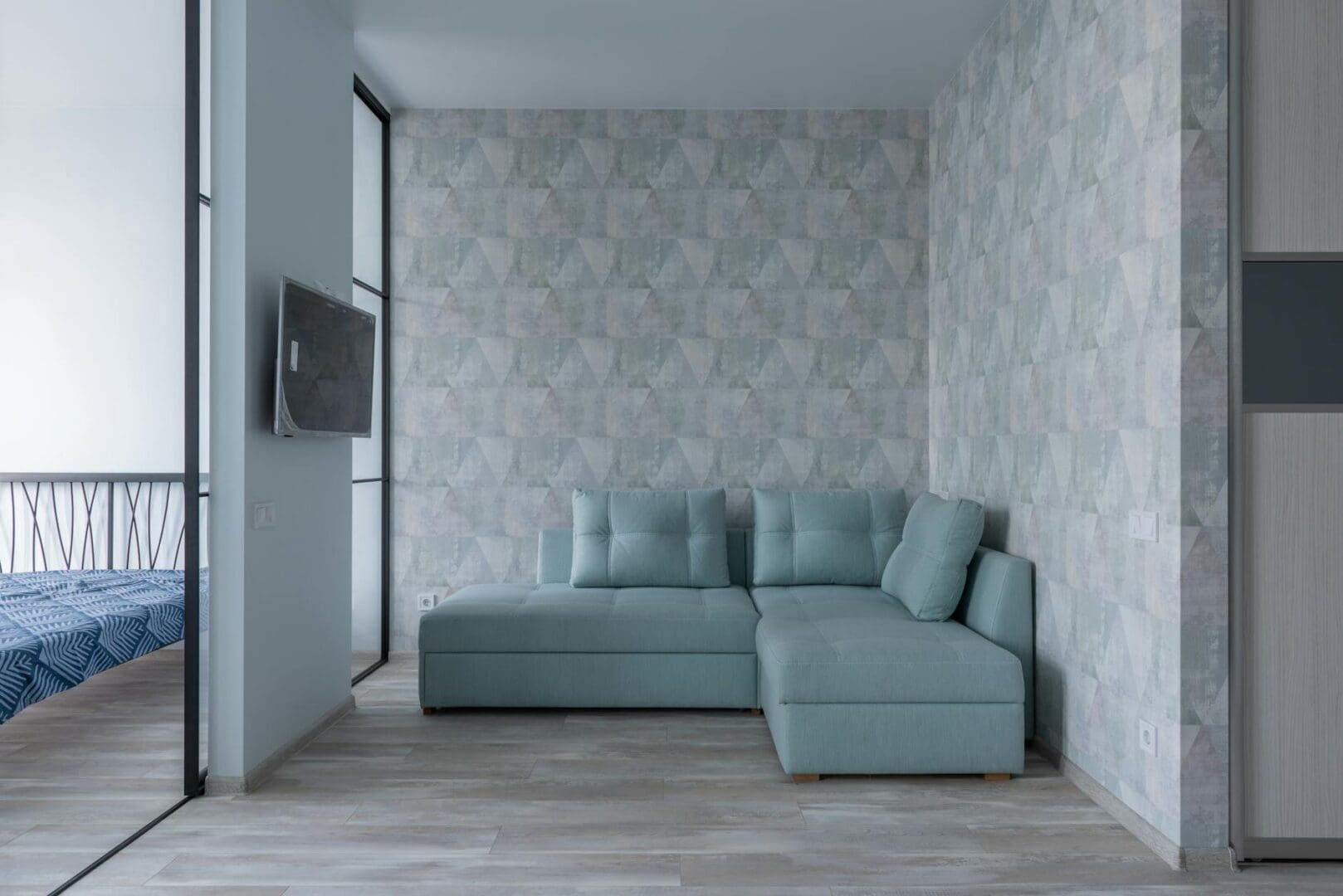
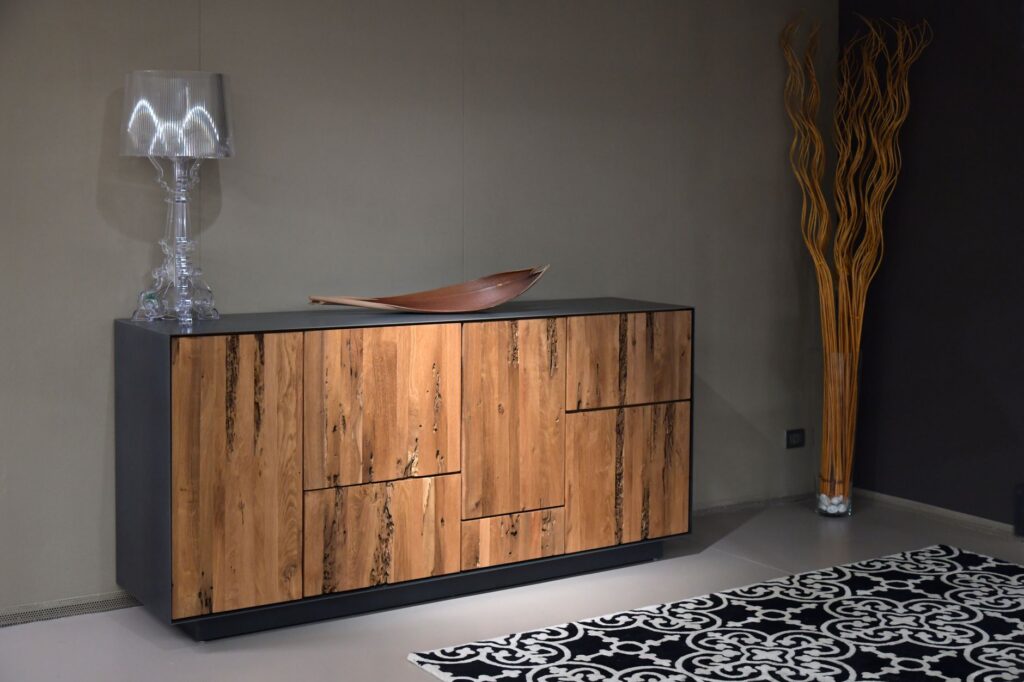
When you’re working with limited square footage, every inch counts. A corner TV stand can be the smartest furniture decision you make, transforming that awkward corner into functional entertainment space while keeping your small room feeling open and uncluttered. But not all corner stands are created equal, and choosing the wrong one can make your space feel even more cramped.
Here’s what you need to know to find a corner TV stand that actually works for your small room.
Measuring Your Corner Space (This Is Non-Negotiable)
Before you fall in love with any corner TV stand, grab your measuring tape. You’ll need three measurements: the length along each wall from the corner (at least 30-40 inches on each side for most stands), the diagonal depth from the corner point outward, and the height clearance if you have windows, outlets, or wall hangings nearby.
Most corner TV stands range from 42 to 60 inches wide. For genuinely small rooms, stick with compact models (42-48 inches) that won’t overwhelm your space. The TV itself should be proportional too—a 32 to 50-inch screen typically pairs best with smaller corner stands. If your TV is larger than 50 inches, you’ll need a sturdier unit with a deeper surface, which might defeat the space-saving purpose in a truly tiny room.
Don’t forget about the “walk-by” space. You’ll want at least 24-30 inches of clearance in front of the stand so the room doesn’t feel like an obstacle course.
Storage vs. Open Design: What’s Your Priority?
Corner TV stands come in two basic configurations, and your choice depends on what you’re trying to accomplish.
Closed storage models with cabinets and drawers hide cable boxes, gaming consoles, DVDs, and all that visual clutter that makes small rooms feel chaotic. These typically run $150-400 for solid options and work beautifully if you need to stash items but lack closet space. Look for stands with cord management cutouts in the back—trust me, tangled cables visible in a small room are the worst.
Open shelving designs ($100-300) create a lighter, airier feel that can actually make your small room seem larger. They’re perfect if you have minimal equipment or prefer a more minimalist aesthetic. The tradeoff is that everything’s on display, so you’ll need to keep it tidy. Some hybrid models offer one closed cabinet plus open shelves, giving you the best of both worlds.
Material Matters More Than You Think
In a small room, your corner TV stand becomes a focal point whether you intend it to or not, so the material affects the entire room’s vibe.
Engineered wood or laminate stands are your budget-friendly option ($80-250), and modern versions look surprisingly good. They’re lightweight, which is helpful if you rearrange furniture seasonally. Just check the weight capacity—cheaper particleboard models may not safely hold larger TVs and equipment.
Solid wood stands ($300-700) bring warmth and durability. Woods like oak, pine, or walnut add character to small spaces without feeling heavy if you choose lighter finishes. Darker woods can work too, but balance them with lighter walls and decor.
Glass and metal combinations ($200-500) are excellent for contemporary small spaces. The transparency of glass shelves creates visual lightness, making your room feel less crowded. Look for tempered glass rated for at least 50 pounds per shelf.
Style That Actually Fits Your Space
Your corner TV stand should complement your room’s style, not fight it. In small rooms, cohesion matters even more because every piece is noticeable.
For modern or minimalist spaces, look for clean lines, floating designs, or stands with metal legs that expose floor space underneath—this “visible floor” trick genuinely makes rooms feel larger. Mid-century modern corner stands with tapered legs offer this same advantage with added vintage charm.
Traditional or farmhouse styles can work in small rooms if you choose carefully. Opt for painted finishes in white, gray, or soft neutrals rather than dark stains. Detailed molding is fine, but avoid overly ornate pieces that create visual noise.
Industrial-style stands with open metal frames are naturally space-efficient and pair well with urban apartments or loft-style rooms.
Whatever style you choose, consider how the stand’s color interacts with your walls. Matching or complementary tones help the piece recede visually, while high contrast makes it more prominent—both can work depending on whether you want the TV area to disappear or serve as an intentional focal point.
A corner TV stand isn’t just about parking your television somewhere—it’s about reclaiming dead space and making your small room work harder for you. Focus on precise measurements, honest assessment of your storage needs, and choosing materials and styles that enhance rather than crowd your space. Take your time comparing options, and you’ll end up with a corner solution that makes your small room feel both functional and thoughtfully designed.
You need more storage in your living room, but a bulky bookcase feels too heavy and floating shelves aren’t cutting it. A credenza might be exactly what you’re looking for—it’s that low-profile cabinet that gives you tons of hidden storage while creating a beautiful surface for lamps, plants, and the things you actually want to […]
If you’ve been hitting snooze repeatedly or dragging yourself out of bed feeling groggy, you’re not alone. Waking up to a jarring alarm in a dark room works against your body’s natural rhythms, especially during winter months. A sunrise alarm clock mimics natural dawn, gradually filling your room with light to ease you awake. But […]
Waking up at 3 a.m. with a sweaty neck and flipping your pillow to the cool side for the fourth time isn’t just annoying—it’s robbing you of quality sleep. If you’re a hot sleeper, your pillow might be trapping heat against your head and neck all night long. The good news? The right cooling pillow […]