There’s nothing worse than hosting a beautiful dinner party only to watch your guests start fidgeting and shifting in their seats halfway through the main course. If you love long, leisurely meals—whether it’s Sunday brunch with the family or dinner parties that stretch late into the evening—your dining chairs need to do more than just look good. They need to keep everyone comfortable for hours.
Here’s what actually matters when you’re shopping for dining chairs built for comfort.
Seat Depth and Width Make All the Difference
The seat itself is where comfort begins. Look for chairs with a seat depth between 16 and 18 inches—anything shallower feels perchy and uncomfortable after about 20 minutes, while deeper seats can leave shorter guests with their feet dangling or force them to sit too far from the table.
Width matters too. Aim for at least 18 inches across the seat, and if you have the space, 20 inches feels downright luxurious. Those slim, modern chairs that are only 15 or 16 inches wide might photograph beautifully, but they’ll have your guests feeling cramped before dessert arrives.
Cushioned seats beat hard wood or metal every time for extended sitting. Even a thin layer of foam wrapped in fabric or leather adds significant comfort. Budget-friendly upholstered chairs typically start around $150-200 per chair, while mid-range options with higher-density foam run $300-500. If you’re willing to splurge on custom upholstery or premium materials, expect $600 and up.
Back Support That Actually Supports
The backrest height and angle determine whether your chairs will support good posture or leave everyone slouching and sore. Look for chairs with backs that hit at least mid-shoulder blade—around 18 to 20 inches from the seat. Anything lower provides minimal support for extended sitting.
The angle matters just as much as the height. Backrests that tilt slightly backward (around 5-10 degrees) let you relax without losing support. Completely vertical backs look sleek but feel rigid after an hour.
Consider these back styles for comfort:
Fully upholstered backs offer the most cushioning and work especially well for formal dining rooms
Contoured wooden backs can be surprisingly comfortable if they curve to fit your spine
Ladder backs with horizontal slats provide decent lumbar support while maintaining a casual feel
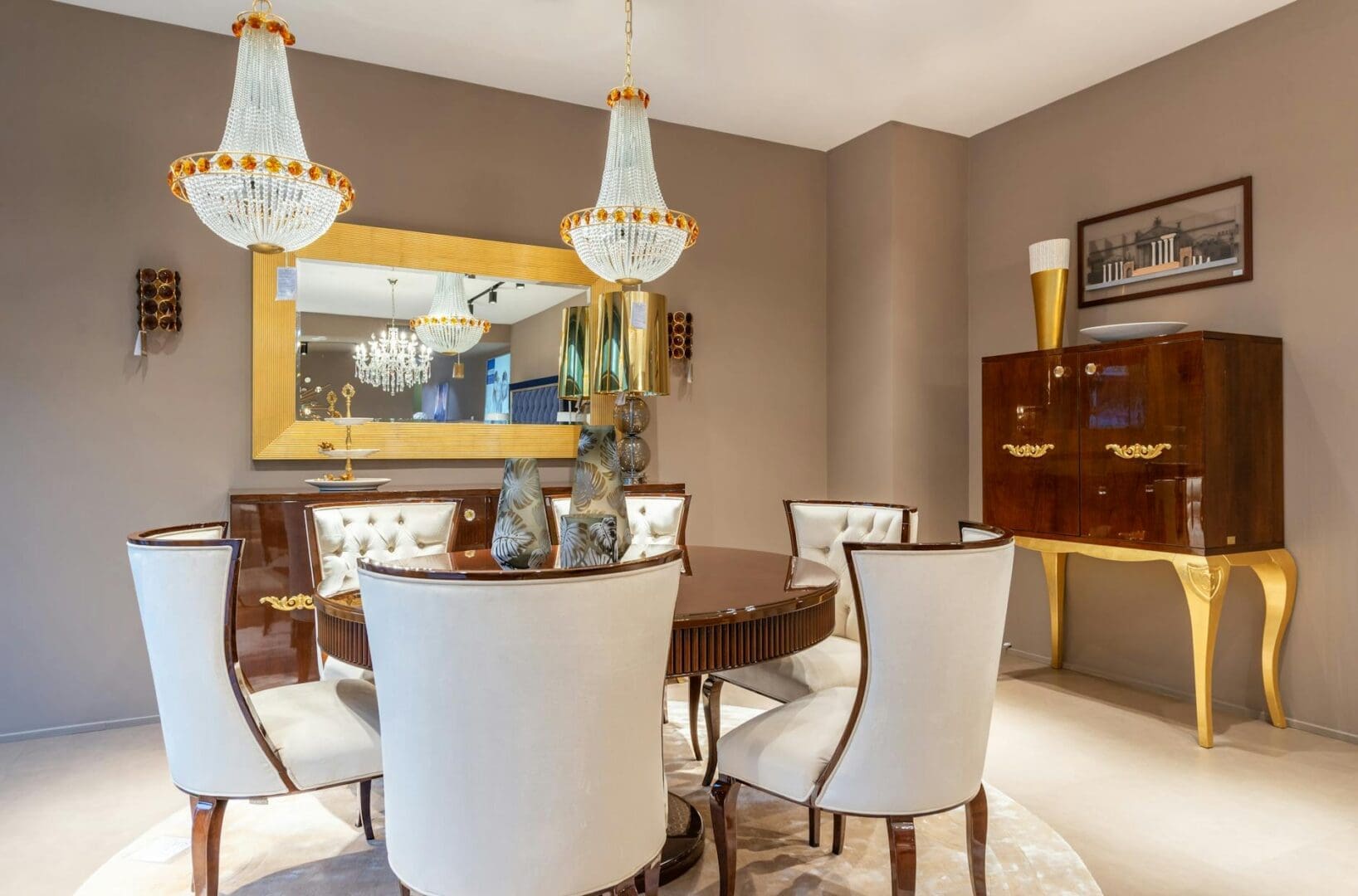
Wingback dining chairs add side support and feel especially cozy for long conversations
Armrests: Helpful or Hindering?
Armrests add comfort for lounging after the meal, but they come with tradeoffs. Measure your table height carefully—armrests need to fit completely under the table apron, or your chairs won’t tuck in properly. Standard dining tables sit 28-30 inches high, so armrests should be no taller than 25-26 inches from the floor.
If your table can accommodate them, look for armchairs with padded or upholstered armrests rather than hard wood or metal. Even better, consider putting armchairs at just the head and foot of the table, with armless chairs along the sides. This gives you the best of both worlds without overwhelming a smaller dining space.
Materials That Work for Real Life
The most comfortable chair in the showroom won’t stay that way if the materials can’t handle regular use. For upholstered seats and backs, performance fabrics resist stains and wear while still feeling soft. Leather develops a beautiful patina over time and wipes clean easily, though it can feel sticky in humid weather.
If you’re choosing wooden chairs, hardwoods like oak, walnut, or maple will outlast softer woods and maintain their shape better over years of use. Metal frames offer durability but can feel cold—look for powder-coated finishes and paired cushions.
Don’t forget about the legs and base. Four-legged chairs offer the most stability, while pedestal or cantilever designs can have a slight flex that some people find uncomfortable during long sits.
The right dining chairs should disappear from your awareness during a meal—your guests should be focused on conversation and food, not on adjusting their position every few minutes. Prioritize seat dimensions and back support first, then narrow down your options based on style and budget. When you find chairs that tick all these boxes, you’ll wonder why you ever settled for anything less.
Hallways are the overlooked workhorses of our homes—they connect every room, but rarely get the storage love they deserve. A well-chosen sideboard transforms that narrow stretch of wall into genuinely useful space without making your hallway feel like an obstacle course. The trick is finding one that fits the proportions of the room while actually […]
Dark kitchens—whether they feature rich espresso cabinets, moody charcoal walls, or black granite countertops—create incredible drama and sophistication. But they also present a unique challenge when it comes to choosing bar stools. Pick the wrong ones, and your beautiful space can feel cave-like or visually heavy. Choose wisely, and your stools become the bright spot […]
Your kitchen peninsula is prime real estate—it’s where morning coffee happens, where kids do homework while you’re prepping dinner, and where guests naturally gather during parties. Getting the right bar stools makes all the difference between a peninsula that feels welcoming and one that sits empty. But with so many options for height, style, and […]