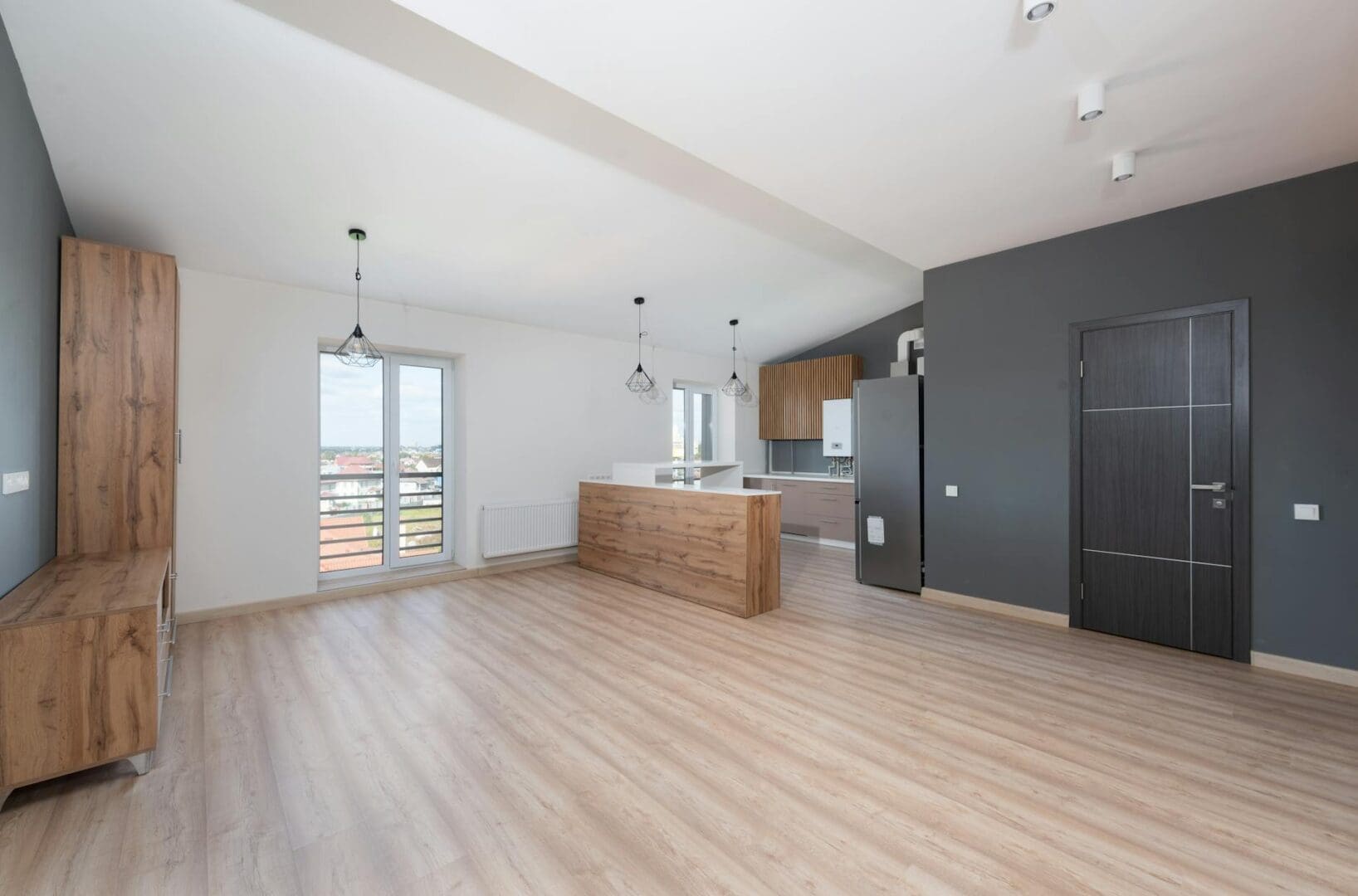
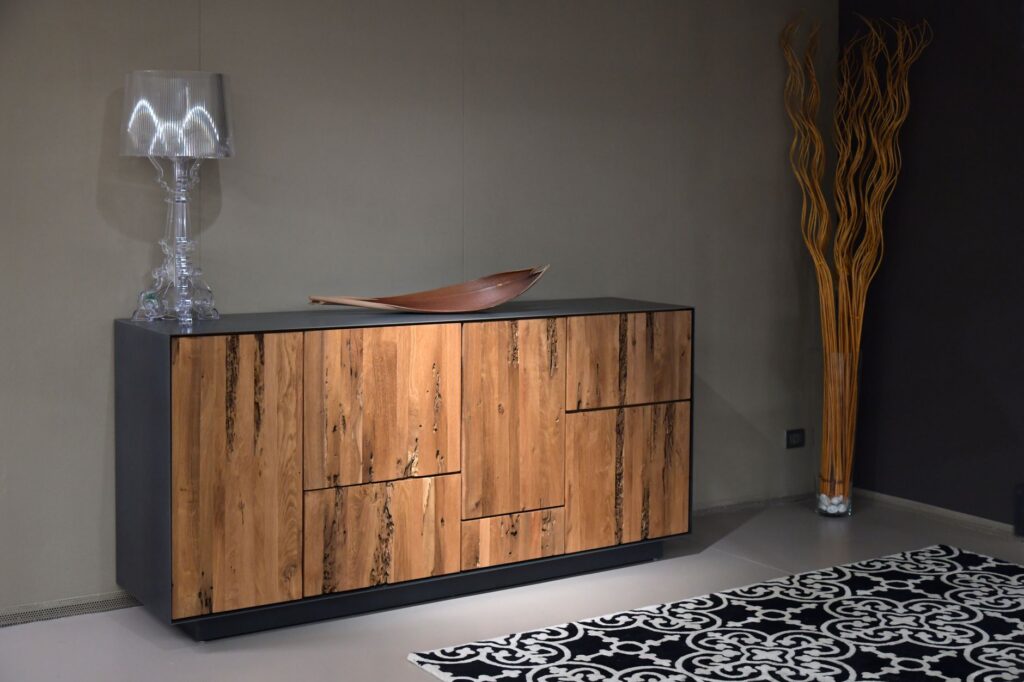
Open floor plans are fantastic for entertaining and family flow, but they can feel disjointed when each area looks like it belongs in a different house. The challenge isn’t just filling the space—it’s making your kitchen, dining, and living areas feel like they’re part of the same story without everything looking matchy-matchy or boring.
The good news? Creating visual harmony across your open layout is totally doable with a few strategic choices. Here’s how to tie it all together.
Start With a Unifying Color Palette
Your color scheme is the invisible thread that pulls an open floor plan together. Pick three to five colors that will repeat throughout the space—typically one or two neutrals, a dominant accent color, and one or two secondary accents.
This doesn’t mean your sofa and dining chairs need to match exactly. Instead, look for ways to echo colors across zones. If your living room features navy throw pillows, bring that same navy into your dining area through chair cushions or a table runner. Your kitchen bar stools might pick up the warm wood tone from your media console.
Wall color matters here too. Many designers recommend carrying one consistent wall color throughout an open space, or using different shades from the same color family. This creates flow without requiring you to paint everything builder beige.
Repeat Materials and Finishes Thoughtfully
Material repetition is your secret weapon for cohesion. When your eye catches the same wood finish, metal type, or textile texture in different zones, it registers as intentional design rather than random furniture collection.
Here’s what to look for when shopping:
Wood tones: You don’t need identical finishes, but stick within warm woods (walnut, oak, teak) or cool woods (gray-washed, whitewashed). A mid-century walnut dining table plays nicely with walnut-toned shelving in your living area.
Metal finishes: If your kitchen has brushed nickel hardware, incorporate that same finish in your living room through lamp bases or coffee table legs. Mixing metals can work, but limit yourself to two finishes max.
Upholstery textures: Repeat fabric types across the space—linen dining chairs can echo linen throw pillows, while leather bar stools might pair with a leather accent chair.
Price-wise, you can find coordinating pieces at every level. Budget-friendly retailers often design collections with matching finishes ($200-$600 per piece), while mid-range options ($600-$1,500) offer more variety. Splurge pieces ($1,500+) become anchor investments that you build around.
Define Zones Without Breaking the Flow
Each area needs its own identity while still feeling connected to the whole. Area rugs are the most effective tool for this—they ground furniture groupings and signal “this is the living space” or “this is the dining zone” without physical walls.
Choose rugs that coordinate rather than match. They might share a color but have different patterns, or feature complementary patterns in the same style (like two geometric designs with different scales). A 8×10 or 9×12 rug typically works for living areas, while dining spaces need rugs large enough to accommodate chairs when pulled out—usually 8×10 minimum for a four-person table.
Lighting also defines zones beautifully. A statement pendant over your dining table, a chandelier or track lighting in the kitchen, and table lamps in the living room create distinct moments while maintaining continuity if you’ve stuck with consistent finishes.
Keep Your Furniture Styles in the Same Family
You don’t need a matching furniture set—in fact, perfectly matched furniture can look flat in an open concept. But your pieces should speak the same general design language.
If you love mid-century modern, let that aesthetic guide all your major purchases. Your sofa might be a classic mid-century silhouette, your dining table could have tapered legs, and your bar stools might feature molded seats. Mix in some contemporary pieces to keep it current, but maintain that underlying style thread.
The same principle applies to traditional, farmhouse, industrial, or any other style. Consistency in furniture silhouettes, leg styles, and overall design era prevents your space from feeling cluttered or confused.
Bringing It All Together
Creating cohesion in an open floor plan comes down to intentional repetition—not identical everything, but thoughtful echoes of color, material, and style that help your eye move smoothly from space to space. Start with your color palette, choose furniture that shares a design sensibility, and repeat finishes strategically.
The result is a home that feels collected over time rather than bought all at once, with each zone having its purpose while contributing to a larger, harmonious whole. Take it one piece at a time, and you’ll build a space that truly flows.
You need more storage in your living room, but a bulky bookcase feels too heavy and floating shelves aren’t cutting it. A credenza might be exactly what you’re looking for—it’s that low-profile cabinet that gives you tons of hidden storage while creating a beautiful surface for lamps, plants, and the things you actually want to […]
If you’ve been hitting snooze repeatedly or dragging yourself out of bed feeling groggy, you’re not alone. Waking up to a jarring alarm in a dark room works against your body’s natural rhythms, especially during winter months. A sunrise alarm clock mimics natural dawn, gradually filling your room with light to ease you awake. But […]
Waking up at 3 a.m. with a sweaty neck and flipping your pillow to the cool side for the fourth time isn’t just annoying—it’s robbing you of quality sleep. If you’re a hot sleeper, your pillow might be trapping heat against your head and neck all night long. The good news? The right cooling pillow […]