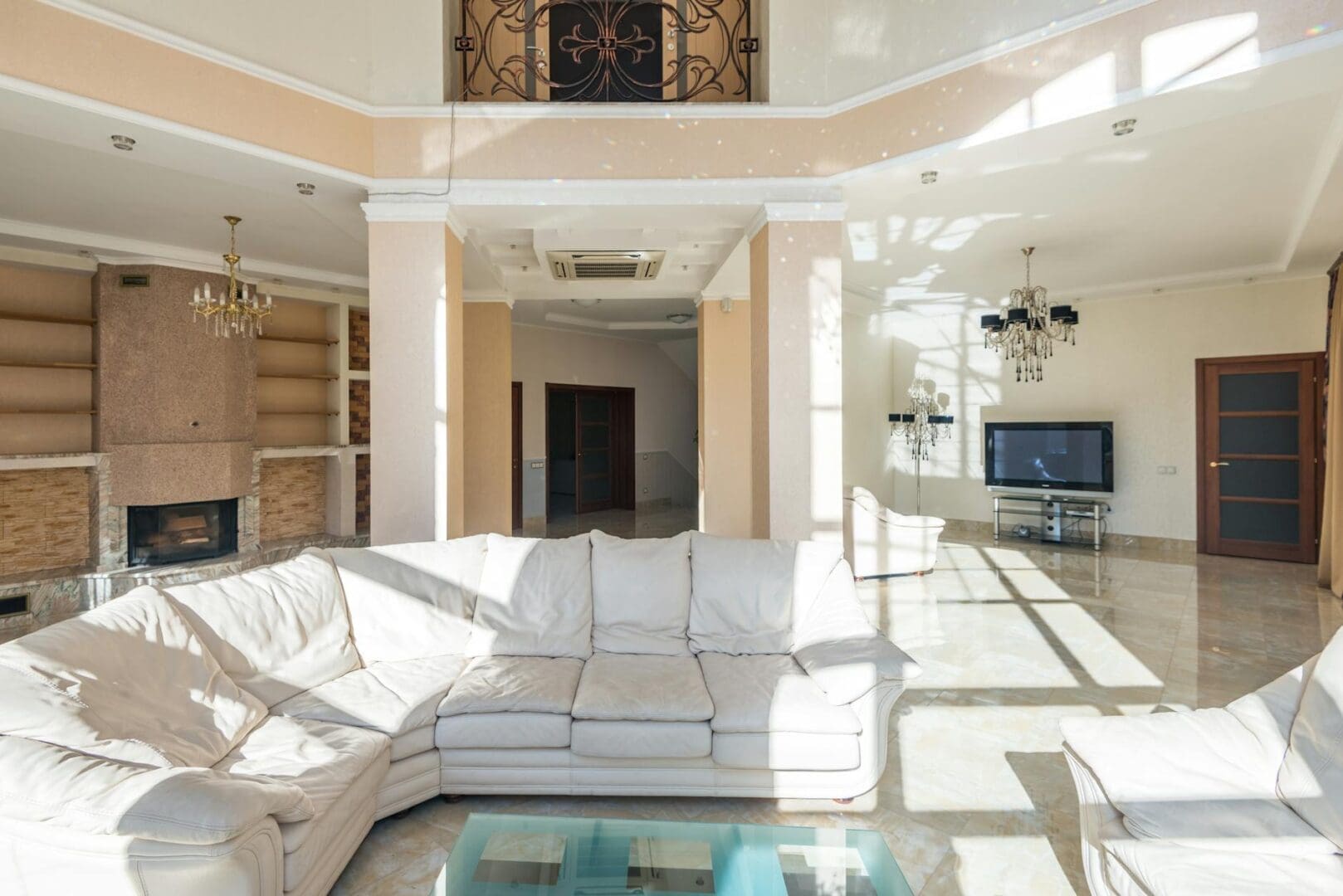
Shopping for a coffee table when you have a sectional sofa can feel surprisingly tricky. Unlike a standard sofa setup, sectionals create unique spatial challenges—they’re bigger, they often wrap around corners, and suddenly that coffee table you loved in the showroom feels either too small, too far away, or awkwardly positioned. The good news? Once you understand a few key proportions and layout principles, finding the right coffee table becomes much simpler.
Getting the Size and Scale Right
The most common mistake is choosing a coffee table that’s too small for a sectional. Because sectionals typically span 8 to 12 feet or more, you need a table with enough visual weight to anchor the space without getting lost.
A good rule of thumb: your coffee table should be about two-thirds the length of your sectional’s longest side. For an L-shaped sectional, measure the longer section and work from there. If you have a large U-shaped sectional, you might even consider two smaller tables or one substantial oversized table in the 50-60 inch range.
Height matters just as much as length. Look for tables between 16 and 18 inches tall—roughly the same height as your sectional’s seat cushions, or just an inch or two lower. This keeps everything within comfortable reach whether you’re setting down a drink or propping up your feet.
Choosing the Best Shape for Your Layout
Shape dramatically affects how your sectional arrangement functions, and there’s no one-size-fits-all answer here.
Rectangular tables work beautifully with L-shaped sectionals, especially when positioned parallel to the longer side. They offer maximum surface area and create clean, organized sight lines. Budget options start around $150-$300, while solid wood or marble-top versions run $600-$1,500.
Round or oval tables are your best friend if you have kids or a tight layout where people frequently walk around the seating area. They soften the angular lines of a sectional and make traffic flow easier. The trade-off is less usable surface space. Expect to pay $200-$400 for basic styles, $800+ for designer pieces.
Square tables can work well centered in front of U-shaped sectionals or in spacious rooms where the sectional floats away from walls. Look for substantial sizes—at least 40 inches square—so they don’t appear dwarfed by the furniture around them.
Considering Materials and Storage Features
Your lifestyle should drive material choices more than aesthetics alone. Sectionals often mean this is a high-traffic, family-friendly space, so think practically.
Glass-top tables create visual lightness that works well in smaller rooms where a sectional might otherwise feel overwhelming. They show every fingerprint though, so consider whether you’re up for frequent cleaning. Tempered glass versions ($250-$700) offer better safety and durability.
Wood tables bring warmth and durability, with finishes ranging from rustic reclaimed styles to sleek walnut. Darker finishes hide wear better, while lighter woods can show water rings and scratches more readily. Quality solid wood tables start around $400 and climb to $2,000+.
If storage is a priority, look for lift-top designs or tables with lower shelves. These are particularly useful with sectionals since you’re often creating a defined living zone where you’ll want to stash remotes, magazines, and throws. Storage coffee tables typically run $300-$900 depending on mechanism quality and materials.
Placement and Breathing Room
Even the perfect table falls flat if it’s poorly positioned. Leave 14 to 18 inches between the edge of your coffee table and the sectional—enough room to walk past comfortably, but close enough to reach your coffee without doing a stretch routine.
If your sectional has a chaise, resist the urge to push the table all the way to the other end. Center it where it’s accessible to the most seating area, which usually means positioning it in front of the main section rather than floating it toward the chaise. You can always add a small side table near the chaise for balance.
Finding the right coffee table transforms your sectional from a collection of seating into a cohesive, functional living space. Focus on proportions first, then shape and material based on how you actually live in the room. Take your sectional measurements with you when shopping, and don’t be afraid to go bigger than your first instinct suggests—with sectionals, a substantial coffee table usually looks more intentional than a timid one.
You need more storage in your living room, but a bulky bookcase feels too heavy and floating shelves aren’t cutting it. A credenza might be exactly what you’re looking for—it’s that low-profile cabinet that gives you tons of hidden storage while creating a beautiful surface for lamps, plants, and the things you actually want to […]
If you’ve been hitting snooze repeatedly or dragging yourself out of bed feeling groggy, you’re not alone. Waking up to a jarring alarm in a dark room works against your body’s natural rhythms, especially during winter months. A sunrise alarm clock mimics natural dawn, gradually filling your room with light to ease you awake. But […]
Waking up at 3 a.m. with a sweaty neck and flipping your pillow to the cool side for the fourth time isn’t just annoying—it’s robbing you of quality sleep. If you’re a hot sleeper, your pillow might be trapping heat against your head and neck all night long. The good news? The right cooling pillow […]