Moving into a rental comes with that familiar anxiety: how do you make the space feel like home without forfeiting your security deposit? The good news is that choosing the right furniture from the start means you won’t have to choose between style and that check you want back when you move out.
Start with Floor-Friendly Furniture
Scratched floors are one of the top reasons renters lose deposit money, but this is completely avoidable with smart furniture choices. Look for pieces with felt pads already attached, or buy a pack of adhesive felt pads to apply yourself—it takes five minutes and saves hundreds.
Avoid furniture with exposed metal legs or hard plastic feet that drag across hardwood or laminate. Instead, opt for sofas and chairs with wooden legs (easier to add pads to) or upholstered bases that won’t contact the floor directly. Media consoles and dressers should have recessed bases or legs rather than sitting flush on the floor, which can trap moisture and damage finishes.
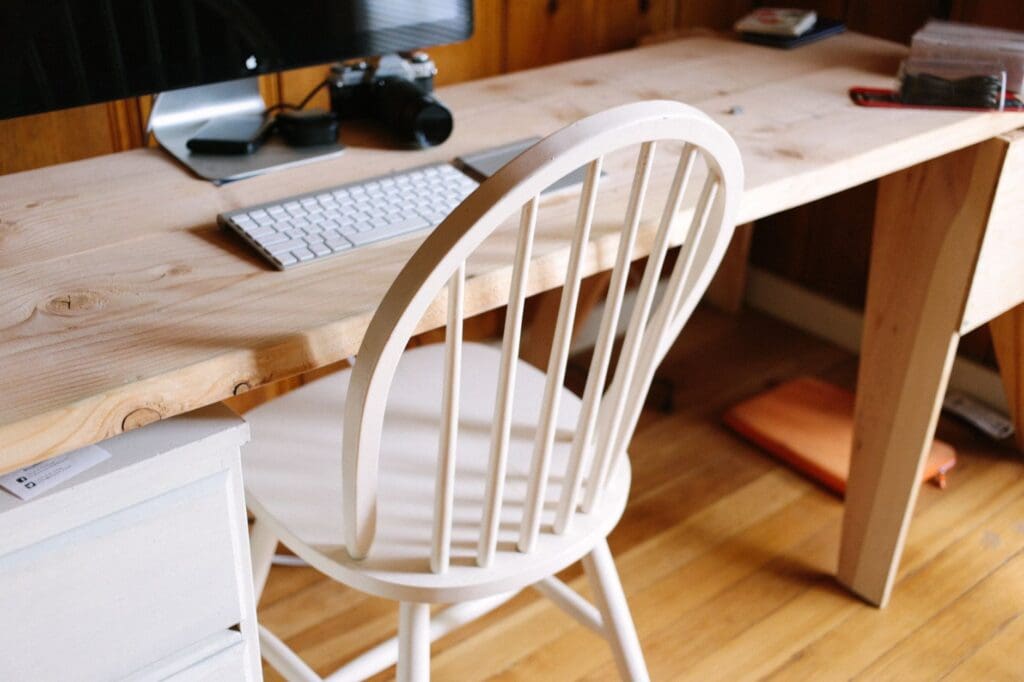
For dining chairs, consider models with wooden or rubberized feet. Metal chairs with bare legs? They’re stylish, but they’re also floor-scratching machines if you’re not careful. Budget options start around $80 per chair for protected designs, while mid-range picks ($150-250) often come with better built-in floor protection.
Choose Freestanding Over Built-In or Wall-Mounted
Wall damage is the other major deposit killer, so your best strategy is avoiding it altogether. Skip the floating shelves, wall-mounted TVs, and anything requiring significant hardware installation. Modern freestanding bookcases, leaning ladder shelves, and console tables offer the same functionality without putting holes in walls.
If you absolutely need to mount something, look for tension-based systems or 3M Command strips rated for the weight you’re hanging. A leaning mirror makes just as much impact as a mounted one, and freestanding room dividers work better than permanently installed solutions.
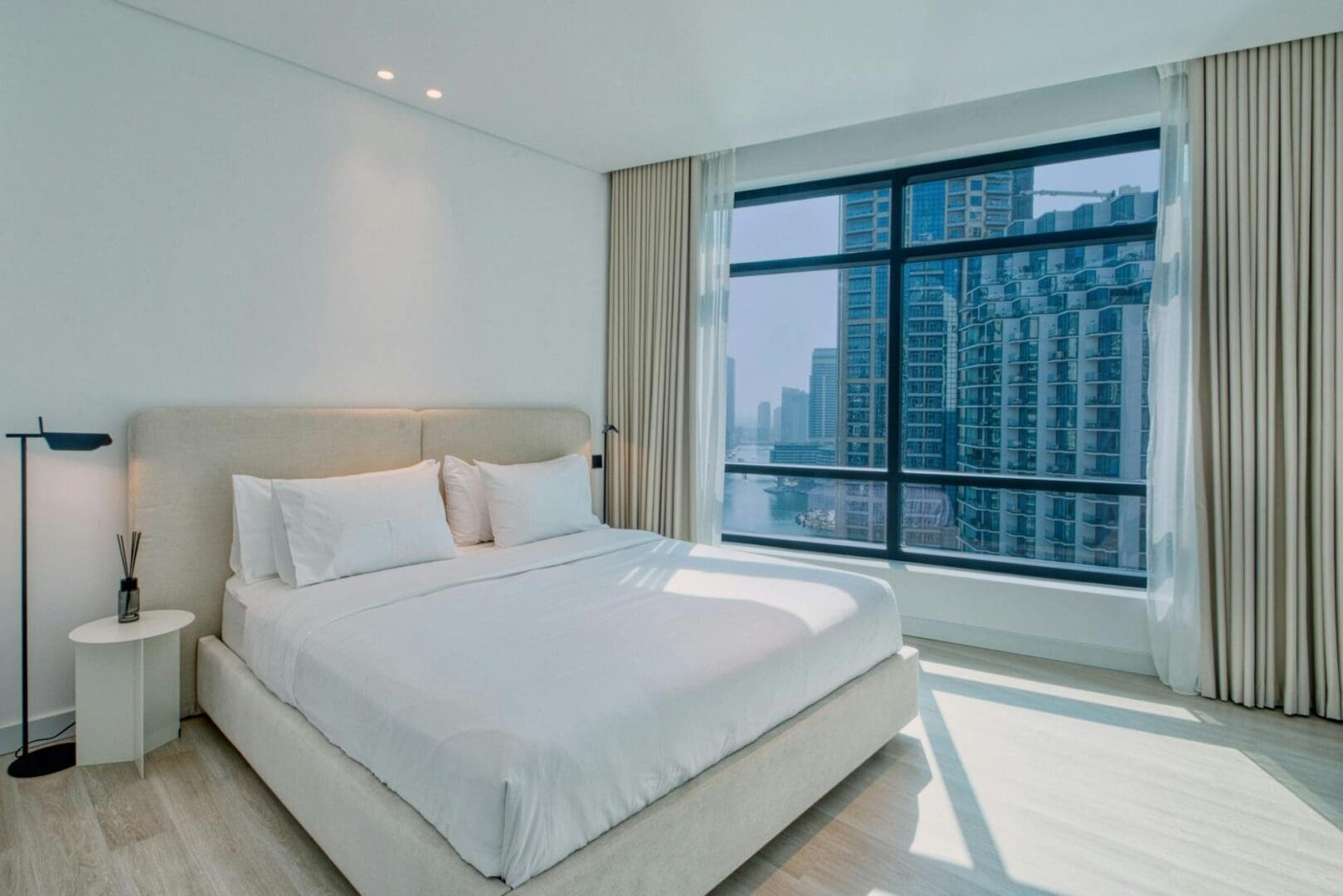
Headboards deserve special mention: plenty of contemporary bed frames come with attached or freestanding headboards that don’t require wall mounting. These run from $300 for basic upholstered designs to $1,200+ for statement pieces, but they move with you without patching and painting.
Prioritize Flexible, Multi-Functional Pieces
Rental living often means working with awkward layouts or limited square footage, so furniture that adapts to different spaces protects your investment across multiple moves. A standard three-seat sofa might fit your current living room but not your next one. Consider apartment-sized sectionals with reversible chaises or modular seating that reconfigures.
Storage ottomans, nesting tables, and extendable dining tables earn their keep in rentals. They give you options when you’re dealing with a new floorplan, and they don’t require custom fits that might damage walls or floors. A quality extendable dining table starts around $400 and goes up to $1,500+, but it transitions from cozy dinners to hosting guests without needing a second table.
Skip custom-cut furniture or pieces designed for specific architectural features you won’t have in your next place. That perfectly sized console for your current hallway niche becomes a problem when you move.
Think About Easy-Exit Furniture
Your deposit isn’t just about damage—it’s also about getting furniture out without destroying doorframes on moving day. Measure your current doorways, but also think ahead: can this piece reasonably fit through a standard 32-inch apartment door?
Oversized sectionals and massive bed frames might require professional disassembly, or worse, they simply won’t fit through narrow hallways and tight corners common in older rentals. Modular and knockdown furniture designs make moves infinitely easier. Look for sofas with detachable legs, beds with simple frame construction, and tables that break down into components.
If you’re eyeing a large piece, ask about disassembly before buying. Many quality furniture retailers design their products to come apart for moving, but budget pieces sometimes use permanent fastening that makes them one-location furniture.
Choosing rental-friendly furniture doesn’t mean sacrificing style or quality—it means being strategic. Focus on pieces that protect floors, don’t require wall mounting, adapt to different spaces, and move easily. These aren’t limitations; they’re filters that help you invest in furniture that works harder for you across multiple homes. Your future self (and your security deposit) will thank you.
If you’ve been hitting snooze repeatedly or dragging yourself out of bed feeling groggy, you’re not alone. Waking up to a jarring alarm in a dark room works against your body’s natural rhythms, especially during winter months. A sunrise alarm clock mimics natural dawn, gradually filling your room with light to ease you awake. But […]
Waking up at 3 a.m. with a sweaty neck and flipping your pillow to the cool side for the fourth time isn’t just annoying—it’s robbing you of quality sleep. If you’re a hot sleeper, your pillow might be trapping heat against your head and neck all night long. The good news? The right cooling pillow […]
If you’re working from home or spending hours at your desk, you’ve probably noticed that not all chairs are created equal. That bargain office chair seemed fine at first, but now your back aches by mid-afternoon. You’ve been eyeing ergonomic chairs, but with price tags that can run three to ten times higher than regular […]