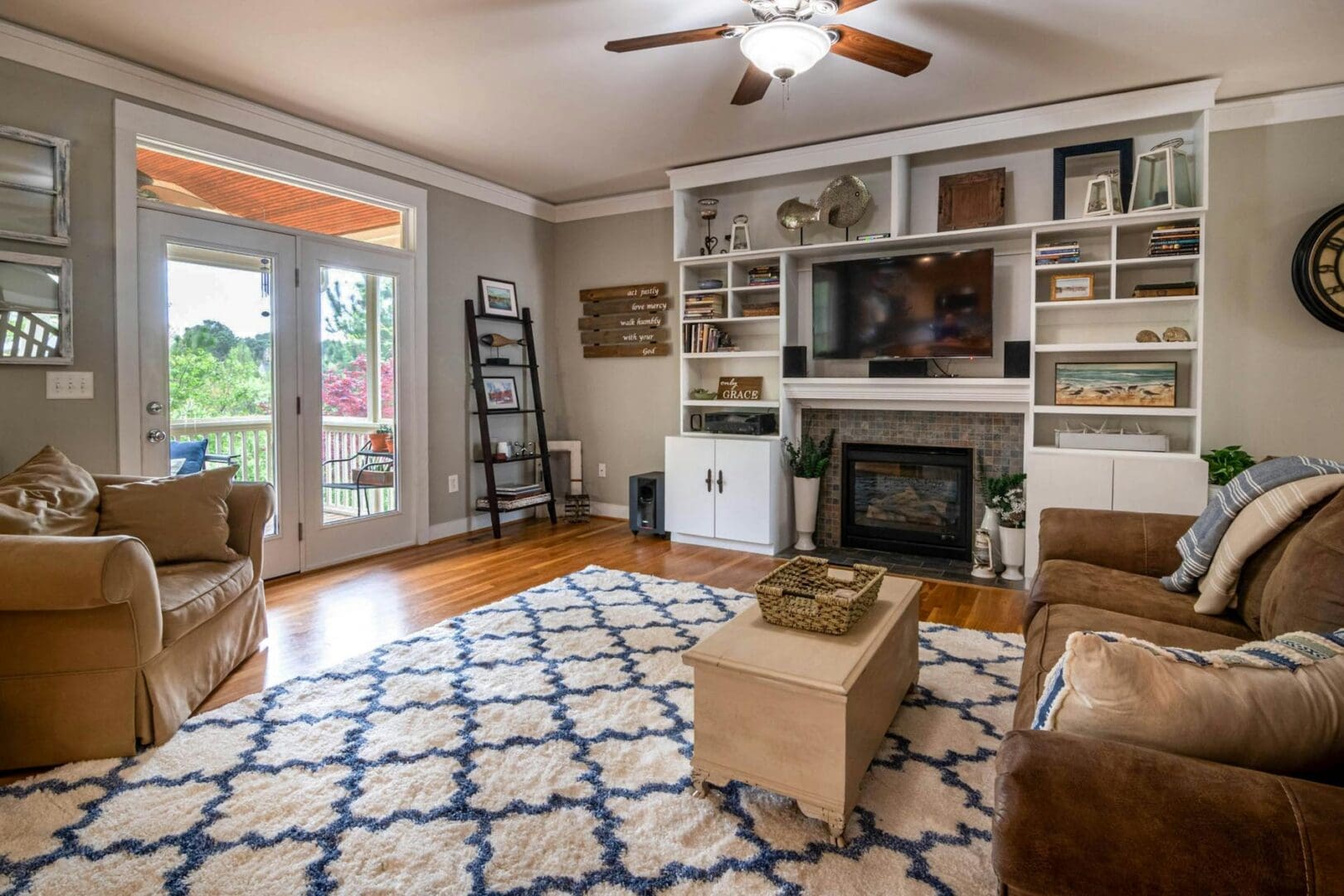
Let’s be honest: area rugs take a beating. Between tracked-in dirt, pet paws, spilled coffee, and everyday foot traffic, your beautiful rug can start looking dingy faster than you’d like. The good news? Choosing the right color from the start can keep your rug looking fresh for years, even in the busiest parts of your home.
Why Medium-Toned Rugs Are Your Best Friend
Here’s what most people get wrong: they think dark rugs hide dirt best. While black or deep brown might seem practical, they actually show dust, lint, and pet hair like nobody’s business. On the flip side, light rugs show every single footprint and stain.
The sweet spot? Medium tones. Think taupe, warm gray, sage green, or muted terracotta. These colors camouflage the most common types of dirt without looking obviously grimy. A medium gray-brown is especially forgiving because it mirrors the actual color of dried dirt and dust. Rugs in this range typically start around $150 for an 5×7 and go up to $800+ for higher-quality materials, making them accessible across most budgets.
The Magic of Pattern and Visual Texture
If there’s one secret weapon for hiding dirt, it’s pattern. A solid-colored rug shows every imperfection, but a patterned rug breaks up the visual field so your eye doesn’t focus on any one spot.
Look for these pattern types that work particularly well:
Heathered or mélange patterns that blend multiple colors in a speckled effect
Geometric designs with varied tones that create visual interest
Traditional Oriental or Persian-style patterns with intricate details
Abstract patterns with organic, irregular shapes
Distressed or vintage-look rugs that already have intentional color variation
The key is having at least three colors working together. A cream and navy striped rug will still show dirt on those light stripes, but a rug that incorporates cream, navy, rust, and gray gives dirt nowhere to hide. Budget-friendly patterned rugs start around $100 for smaller sizes, while designer patterns in high-traffic-friendly materials can run $1,200 or more for larger rooms.
Strategic Color Choices for Different Spaces
Not all rooms need the same approach. Your formal dining room that only gets used on holidays can handle a lighter rug, but your entryway or family room needs to work harder.
For high-traffic areas like entryways, hallways, and family rooms, stick with multi-toned rugs in medium shades. Colors like mushroom gray, warm taupe, olive green, or dusty blue work beautifully while hiding the evidence of daily life.
In bedrooms where you’re mostly walking barefoot on clean floors, you have more flexibility. You can go slightly lighter—think soft beige or pale gray—since the dirt factor is lower.
Living rooms fall somewhere in between. Consider your lifestyle: homes with pets and kids need that practical medium-toned, patterned approach, while adult-only households might get away with something slightly lighter or less busy.
Material Matters as Much as Color
Even the best color choice won’t save you if the material shows wear and tear quickly. Low-pile rugs in materials like polypropylene, nylon, or wool blends hide dirt better than high-pile shag rugs where debris gets trapped and visible.
Wool is naturally stain-resistant and bounces back from foot traffic, though it comes at a higher price point (expect $400-$2,000+ depending on size). Synthetic materials like polypropylene are easier to clean and more budget-friendly ($100-$600), making them smart for households with messy kids or pets. They also come in fantastic patterns and colors that mimic more expensive materials.
Avoid jute, sisal, and other natural fiber rugs in very light shades for high-traffic areas—they absorb stains and are harder to clean thoroughly.
Choosing a rug color that hides dirt isn’t about compromising on style—it’s about being strategic so your home looks its best with less effort. A medium-toned, patterned rug in a durable material will keep your space looking pulled together between cleanings, giving you one less thing to worry about. When you’re shopping, hold a sample up and imagine what a sprinkle of dust or a dried muddy pawprint would look like against it. That little reality check will steer you toward a rug you’ll still love months and years down the road.
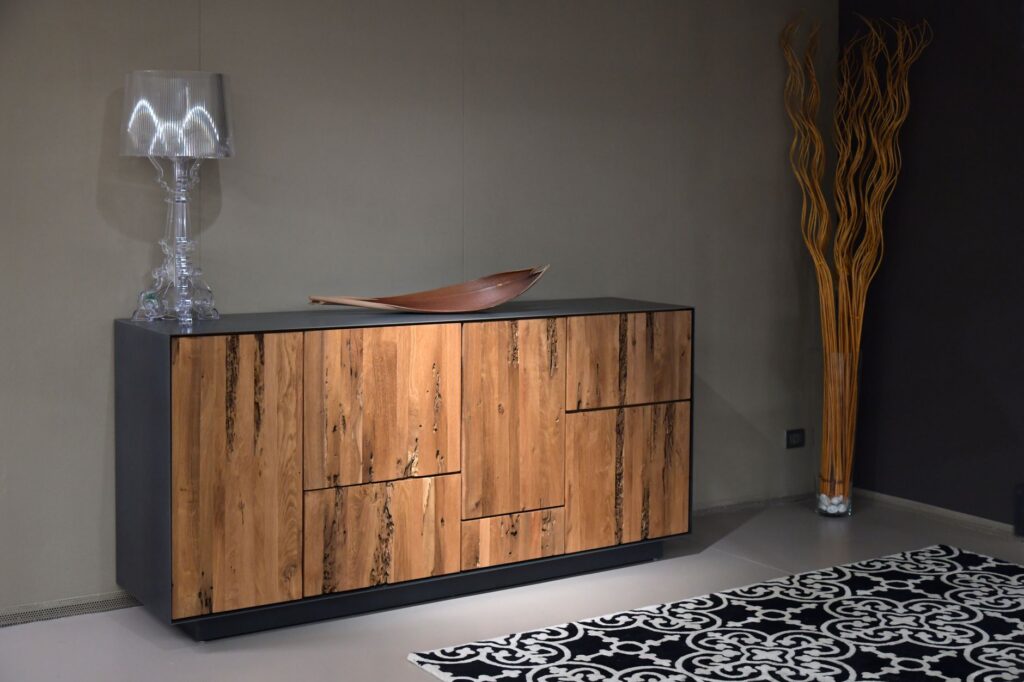
You need more storage in your living room, but a bulky bookcase feels too heavy and floating shelves aren’t cutting it. A credenza might be exactly what you’re looking for—it’s that low-profile cabinet that gives you tons of hidden storage while creating a beautiful surface for lamps, plants, and the things you actually want to […]
If you’ve been hitting snooze repeatedly or dragging yourself out of bed feeling groggy, you’re not alone. Waking up to a jarring alarm in a dark room works against your body’s natural rhythms, especially during winter months. A sunrise alarm clock mimics natural dawn, gradually filling your room with light to ease you awake. But […]
Waking up at 3 a.m. with a sweaty neck and flipping your pillow to the cool side for the fourth time isn’t just annoying—it’s robbing you of quality sleep. If you’re a hot sleeper, your pillow might be trapping heat against your head and neck all night long. The good news? The right cooling pillow […]