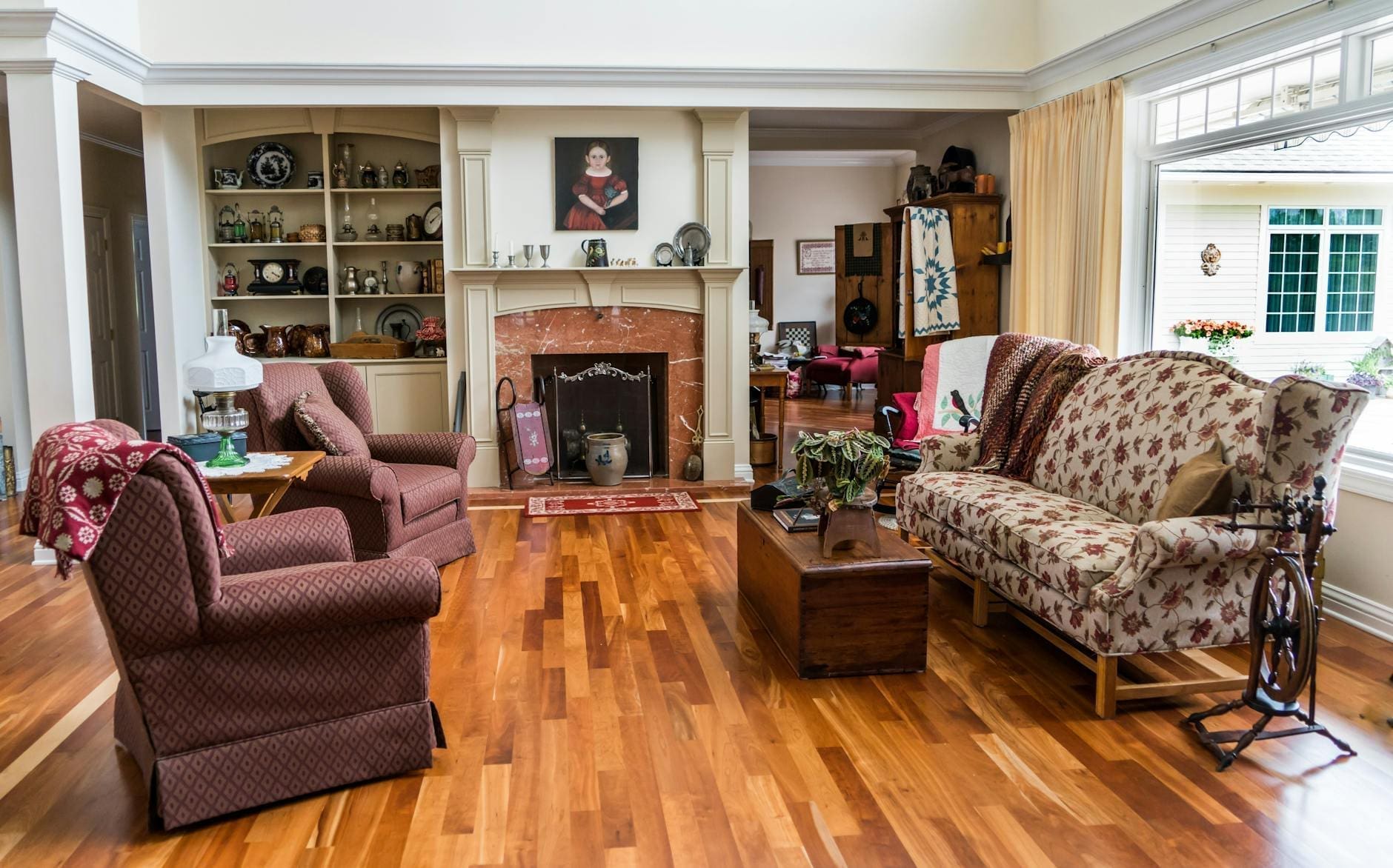
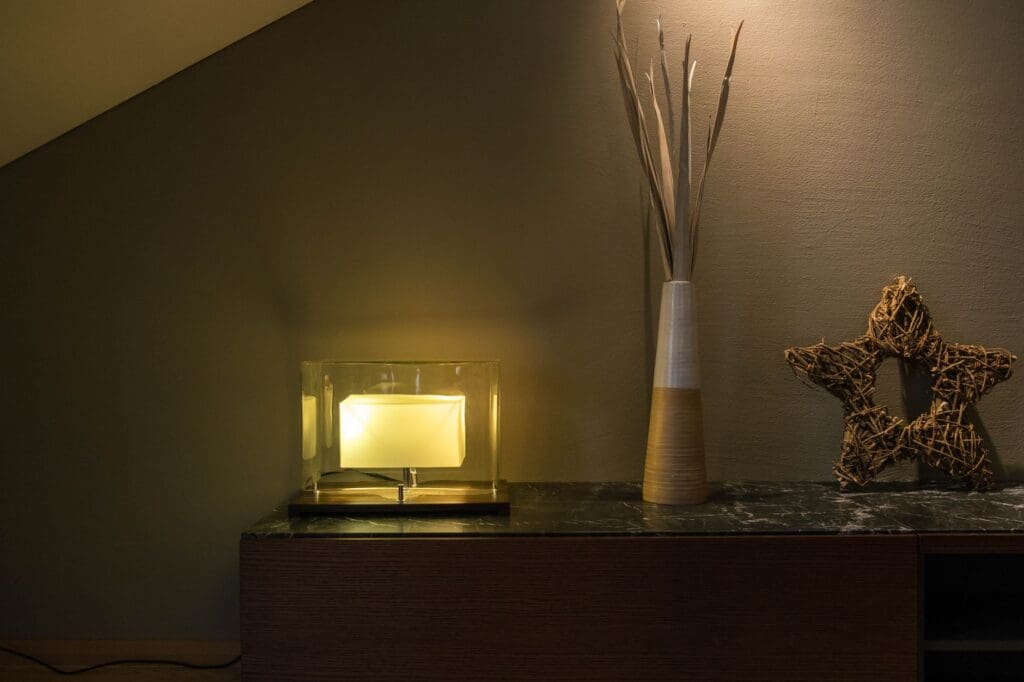
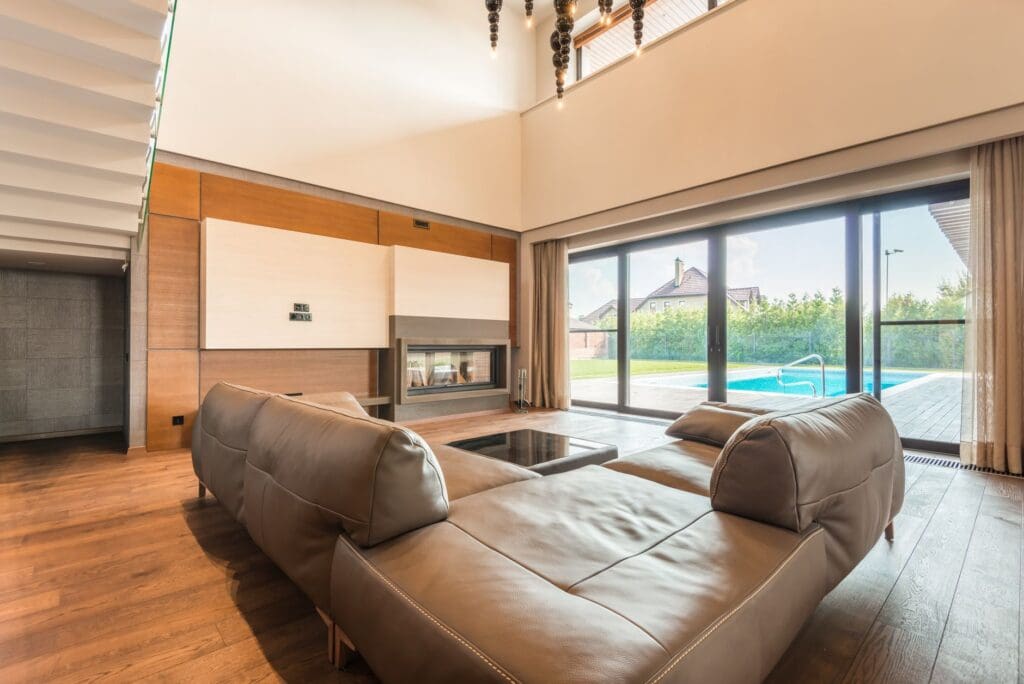
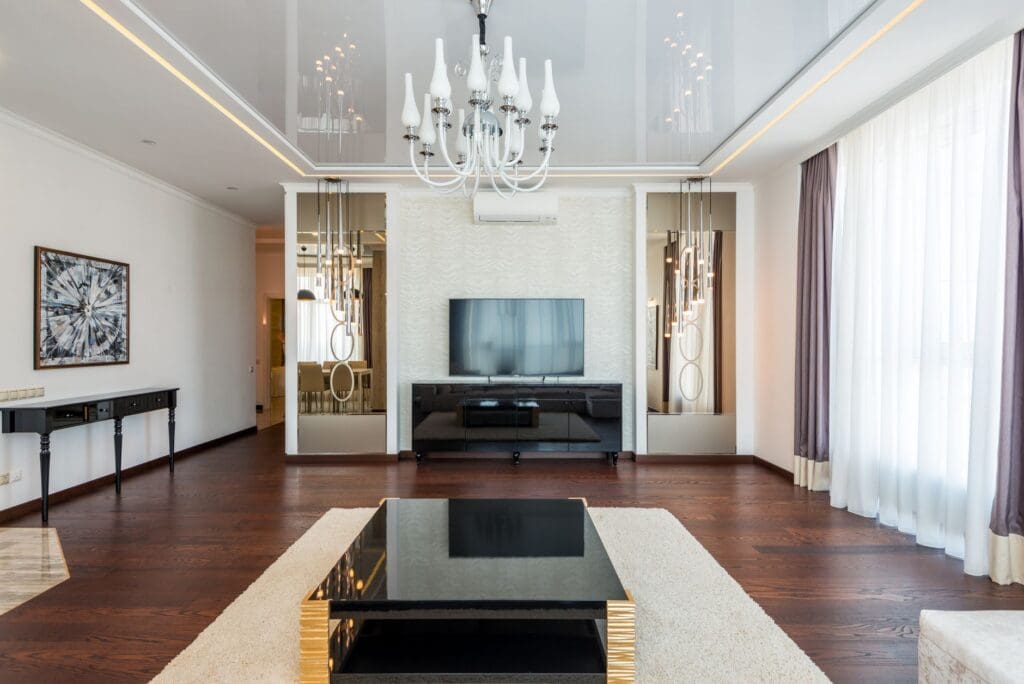
You love the clean lines of mid-century modern furniture, but you’re also drawn to the warmth of farmhouse decor. Or maybe you’ve inherited a traditional dining set but your heart belongs to contemporary style. The good news? You don’t have to commit to just one design aesthetic. Mixing styles creates homes with personality and depth—but only when you know the ground rules.
Start With a Dominant Style (Your 60-70% Rule)
The biggest mistake people make when mixing styles is giving equal weight to everything. Your room needs a clear anchor—one dominant style that takes up about 60-70% of the visual space. This becomes your foundation, while other styles play supporting roles.
If you’re working with a modern sofa and coffee table, that’s your dominant style. Now you can layer in a vintage Persian rug or rustic wood accent chairs without the room feeling chaotic. The modern pieces still guide the overall feel, while the mixed elements add character. Think of it like seasoning food—your main ingredient is still the star, but the additions make it more interesting.
When shopping, identify your anchor pieces first. These are typically your largest furniture items: the sofa, bed frame, dining table, or sectional. Once you know what style dominates, you’ll have much more freedom to play with accent pieces.
Find Your Common Thread
Successful style mixing needs a unifying element—something that ties disparate pieces together. This could be color, material, shape, or even scale. Without this connection, your carefully curated pieces will just look random.
Color is often the easiest connector. A coastal-style blue linen chair can sit perfectly next to an industrial metal side table if they share a color family. Or consider material: mixing a sleek modern leather sofa with a traditional wood coffee table works because both materials feel substantial and quality-driven.
Other common threads include:
Wood tones—keeping oak, walnut, or painted finishes consistent across different style pieces
Metal finishes—brass accents can bridge traditional and contemporary, while black metal works across industrial and modern farmhouse
Proportions—pairing pieces of similar visual weight prevents any single item from feeling out of place
Texture—smooth, glossy finishes versus rough, matte textures can create intentional contrast within your common thread
When browsing furniture, ask yourself what element connects a potential purchase to what you already own. If you can’t identify one, keep looking.
Know Which Styles Actually Play Well Together
Some design styles naturally complement each other because they share DNA. Understanding these relationships helps you shop smarter and avoid combinations that require expert-level styling to pull off.
Natural pairings include modern and industrial (both favor clean lines and minimal ornamentation), traditional and transitional (transitional literally bridges traditional and contemporary), and farmhouse with cottage or coastal (all emphasize comfort and natural materials). Scandinavian design mixes beautifully with mid-century modern since both prize functionality and simplicity.
Trickier combinations—like ornate French provincial with stark minimalism—aren’t impossible, but they demand more careful editing. You’ll need fewer pieces overall and a very strong common thread. If you’re drawn to opposite ends of the design spectrum, consider whether you’re ready for that challenge or if a transitional middle ground might serve you better.
Price-wise, mixing styles can actually work to your advantage. You might splurge on a statement traditional dining table ($1,200-$2,500) and pair it with budget-friendly modern chairs ($150-$300 each). Or invest in a quality contemporary sofa ($1,500-$3,000) and accent it with vintage or secondhand traditional pieces that cost considerably less.
Edit Ruthlessly and Leave Breathing Room
When mixing styles, less is genuinely more. Every piece needs to earn its place in the room. That collection of five different accent chairs might each be beautiful individually, but together they create visual noise.
Give your mixed-style pieces space to shine. A bohemian textile wall hanging makes a stronger statement against a clean, modern wall than it does surrounded by three other competing patterns. Your grandmother’s ornate mirror becomes a focal point above a simple contemporary console, but it gets lost next to equally ornate sconces and a busy gallery wall.
As you shop, practice restraint. Just because a piece fits your budget and you love the style doesn’t mean it fits your room. Take photos of your space with you when furniture shopping, and visualize where each piece would actually go. If you can’t picture it clearly, or if placing it means crowding something else, pass.
Mixing design styles successfully comes down to intention. Choose a dominant style, find connecting elements between your pieces, understand which aesthetics naturally complement each other, and edit carefully. Your home should tell a collected story, not look like a furniture showroom explosion. When you find pieces that speak to you across different styles and you can articulate why they work together, you’re ready to create a space that’s uniquely yours.
There’s nothing quite like settling in for movie night at home, but harsh overhead lighting can ruin the whole experience. Too bright, and you’re squinting at a washed-out screen. Too dark, and you’re fumbling for the remote or straining your eyes. Getting your living room lighting right for movie watching isn’t complicated—it just takes the […]
You probably reach for your phone to change the temperature, lock your doors, or check who’s at the front door—so why are you still walking across the room to flip light switches? Smart lighting transforms your living room from a space with basic on-off switches into one that adapts to movie nights, dinner parties, reading […]
A chandelier can transform your living room from ordinary to unforgettable, but choosing the wrong size or style can throw off your entire space. Unlike task lighting that quietly does its job, a chandelier makes a statement—which means getting it right matters. Whether you’re working with vaulted ceilings or a cozy 10×12 room, here’s how […]