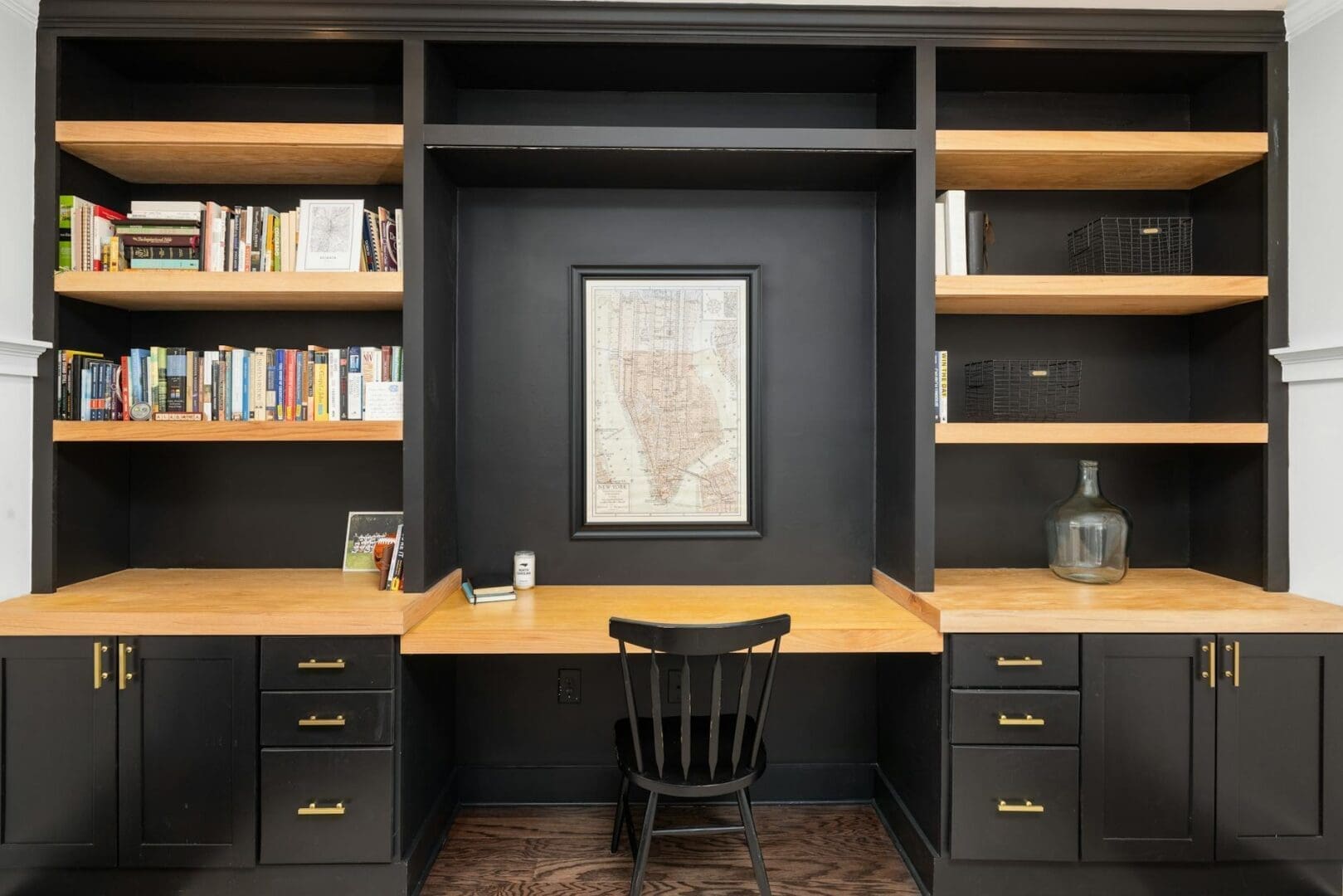
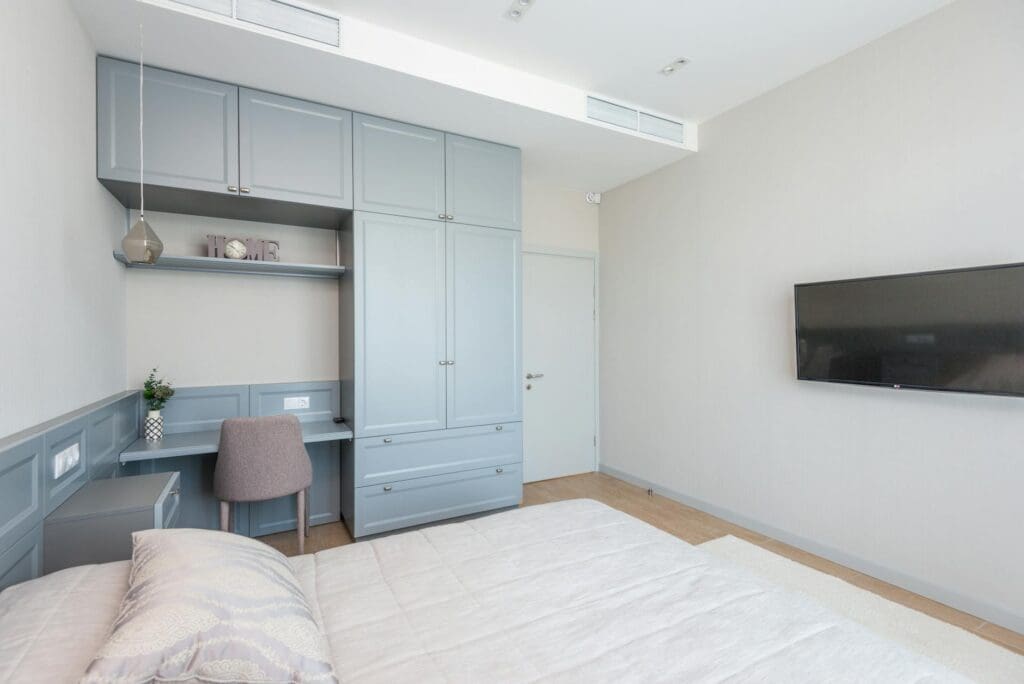
If you’re working with a small home office or just tired of desk clutter creeping across every surface, a desk with built-in storage might be exactly what you need. The right desk can eliminate the need for separate filing cabinets or shelving units, keeping everything within arm’s reach while maintaining a cleaner workspace. But with options ranging from minimal drawer units to full-blown command centers, choosing the right one takes a bit of strategic thinking.
Measure Your Space and Storage Needs First
Before falling in love with a particular style, you need two numbers: your available floor space and a realistic count of what you actually need to store. Measure the area where your desk will sit, accounting for drawer clearance (typically 24-30 inches) and chair space behind the desk.
Next, take inventory of your stuff. Are you mostly digital with just a few notebooks and charging cables? A writing desk with a couple of shallow drawers and cubby holes might suffice. Managing physical files, art supplies, or multiple devices? Look for desks with filing drawers, adjustable shelves, and cable management features. Computer desks often include a keyboard tray and CPU storage, while secretary desks offer fold-down work surfaces with hidden compartments.
Standard desk widths range from 48 to 60 inches, but compact models start around 36 inches. If you’re tight on space, consider corner desks or L-shaped configurations that maximize awkward areas while providing generous storage along both sides.
Pick Storage Features That Match Your Workflow
Not all storage is created equal, and the configuration matters as much as the quantity. Here’s what to look for:
File drawers: Essential if you handle paperwork regularly. Look for full-extension glides that let you access files in the back without wrestling with the drawer.
Shallow drawers: Perfect for pens, chargers, and small office supplies you need daily. Divided organizers are a bonus.
Open shelving or hutches: Great for books, decorative items, or things you grab frequently. Upper hutches keep your desk surface clear while maximizing vertical space.
Keyboard trays: Free up desktop real estate, though they’re becoming less common as laptops replace desktop computers.
Cable management: Grommets, channels, or back panels with cutouts keep cords tidy and out of sight.
Think about what you reach for most often during your workday. Those items should live in the most accessible spots—typically the top drawer or open cubbies at desktop level.
Choose Materials Based on Durability and Style
Your desk’s material affects both its longevity and how it fits with your existing decor. Solid wood desks in oak, walnut, or maple offer durability and timeless appeal, typically starting around $500 and reaching well into the thousands for heirloom-quality pieces. They handle daily wear beautifully and age gracefully.
Engineered wood or wood veneer desks provide a more budget-friendly option, generally ranging from $200 to $600. Look for thick veneers and quality construction—dovetail joints in drawers and sturdy drawer glides signal better longevity. Avoid particleboard if you plan to move or rearrange frequently, as it doesn’t handle disassembly well.
Metal desks or those with metal frames bring an industrial or modern aesthetic while offering excellent durability. These work especially well in contemporary spaces and typically fall in the $300 to $800 range. Glass-top desks with storage bases create an airy feel in smaller rooms, though they require more maintenance to keep fingerprint-free.
Set a Realistic Budget
Desks with built-in storage span a wide price spectrum. Basic models with a few drawers start around $150 to $300—fine for light use or temporary setups. Mid-range options from $400 to $900 typically offer better materials, smoother drawer operation, and more thoughtful storage configurations. These represent the sweet spot for most home offices.
Premium desks above $1,000 bring superior craftsmanship, solid wood construction, and features like soft-close drawers and leather insets. If you spend hours at your desk daily, the investment often pays off in comfort and durability.
A well-chosen desk with built-in storage transforms your workspace from chaotic to calm while eliminating the need for additional furniture. Focus on your actual storage requirements, measure carefully, and choose quality materials within your budget. Your future self—the one who can actually find things and focus on work instead of clutter—will thank you.
Your home office deserves better than a jumble of mismatched shelves and that filing cabinet you’ve been meaning to replace. A storage wall unit can transform your workspace from chaotic to composed, giving you dedicated spots for books, supplies, tech equipment, and all those things that currently live in piles. The trick is finding one […]
If you’re drowning in papers, sticky notes, and file folders that haven’t been touched in months, you’re not alone. The promise of a paper-free office isn’t just about going digital—it’s about choosing furniture and storage solutions that support a cleaner, more organized way of working. The right setup makes it easier to maintain that clutter-free […]
Your back is telling you it’s time. After months of working from home in a dining chair or that hand-me-down seat from college, you’re ready to invest in a proper office chair. The good news? You don’t need to spend $800 on a Herman Miller to get real ergonomic support. The under-$300 market is packed […]