We’ve all been there—standing in a room buried under stuff, wondering where to even begin. The thought of decluttering your entire home can feel paralyzing, especially when every closet, drawer, and surface seems to whisper “deal with me later.” The good news? You don’t have to tackle everything at once, and the right approach (plus a few smart furniture pieces) can make the whole process surprisingly manageable.
Start Small and Pick One Zone at a Time
The biggest mistake people make is trying to declutter their entire house in a weekend. Instead, break your home into small zones—a single drawer, one bookshelf, or just your entryway. Set a timer for 15-20 minutes and focus only on that space.
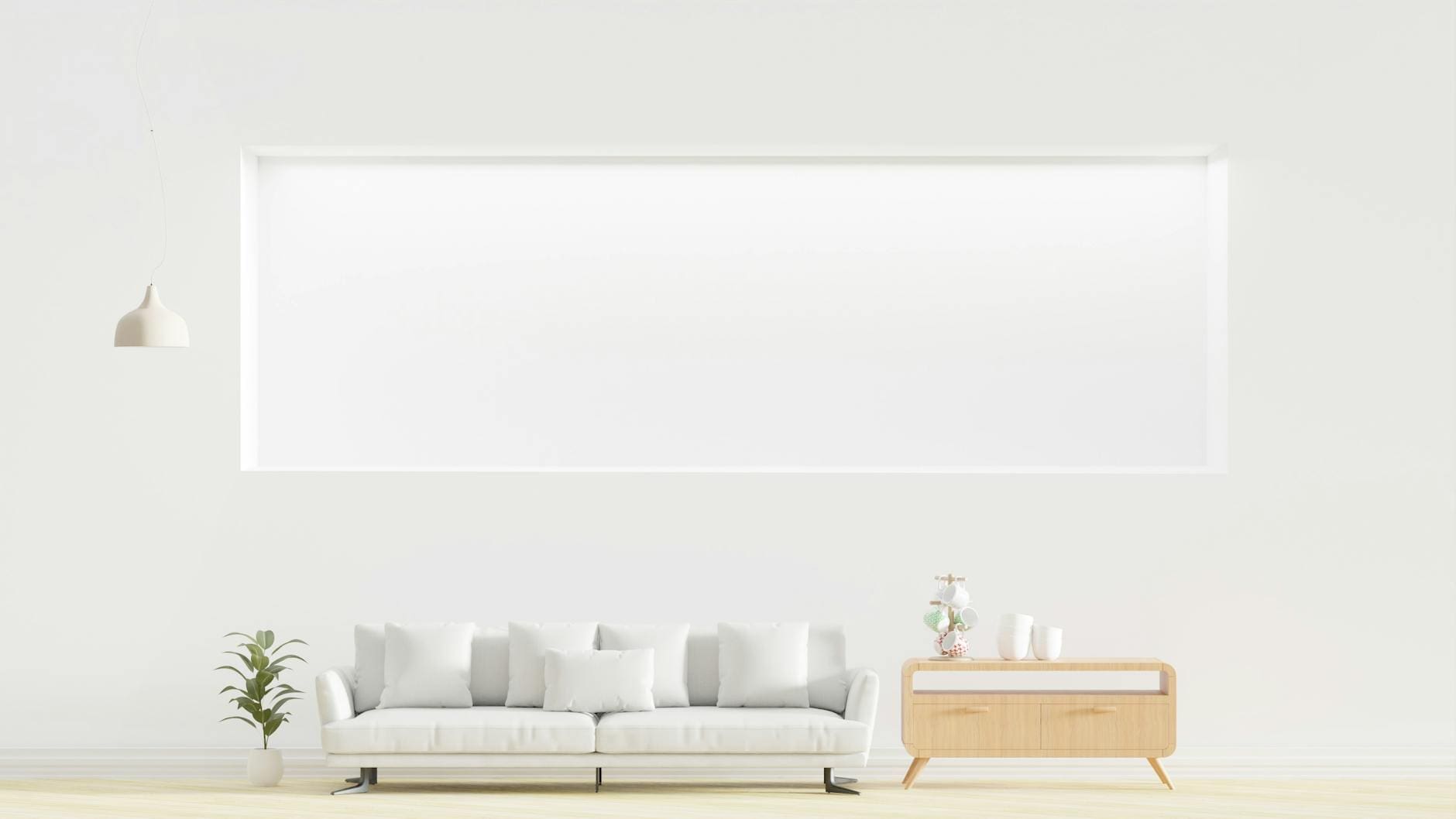
Your entryway is actually a perfect starting point because it’s high-impact and relatively small. A console table with drawers ($150-$400) gives you designated spots for keys, mail, and daily essentials, while a storage bench ($200-$600) handles shoes and bags. When everything has a home right at your door, clutter stops spreading to other rooms.
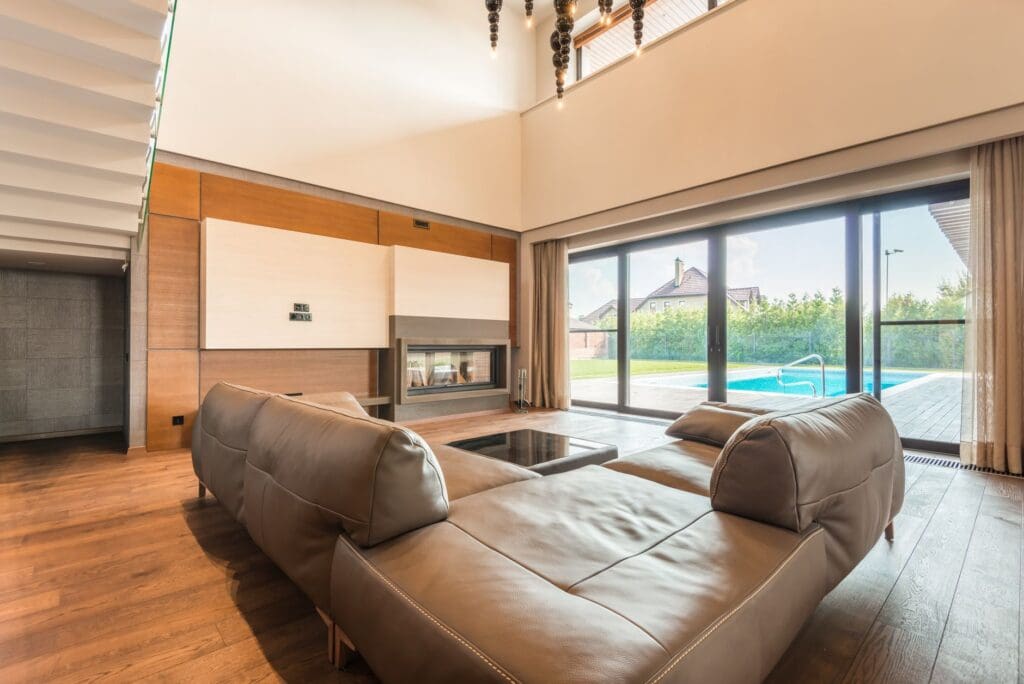
For living areas, consider ottomans with hidden storage ($100-$350). They’re brilliant multitaskers—extra seating, a footrest, and a place to stash throw blankets, remote controls, and magazines. The key is choosing pieces that hide clutter while serving another purpose, so your space feels intentional rather than stuffed with storage bins.
The Three-Box Method That Actually Works
Grab three boxes or bins and label them: Keep, Donate, and Relocate. As you work through each zone, every item goes into one of these boxes. The “Relocate” box is crucial—it’s for things that belong somewhere else in your house. This prevents you from wandering off mid-declutter to put away a single item (we all know how that ends).
Here’s where furniture choices matter. If you’re constantly relocating items because they don’t have a proper home, that’s a signal you need better storage solutions. A credenza or sideboard in your dining room ($300-$1,200) can house table linens, serving pieces, and paperwork that’s been camping out on your kitchen counter. In bedrooms, a storage bed frame with built-in drawers ($400-$1,500) eliminates the need for extra dressers and gives you back valuable floor space.
Bookcases with adjustable shelves ($150-$800) work harder than you’d think. Beyond books, they can organize office supplies, display meaningful items, and corral toys or hobby materials in attractive bins or baskets.
Create Systems That Prevent Re-Cluttering
Decluttering once is pointless if everything creeps back within a month. The secret is creating systems that work with your actual habits, not the habits you wish you had.
Look at where clutter naturally accumulates. If mail piles up on the kitchen counter, you need a mail organizer station—maybe a small secretary desk ($250-$700) with cubbies and a drawer. If clothes end up draped over your bedroom chair, add a valet stand ($80-$200) or a dresser with a wide top surface where you can neatly lay out tomorrow’s outfit.
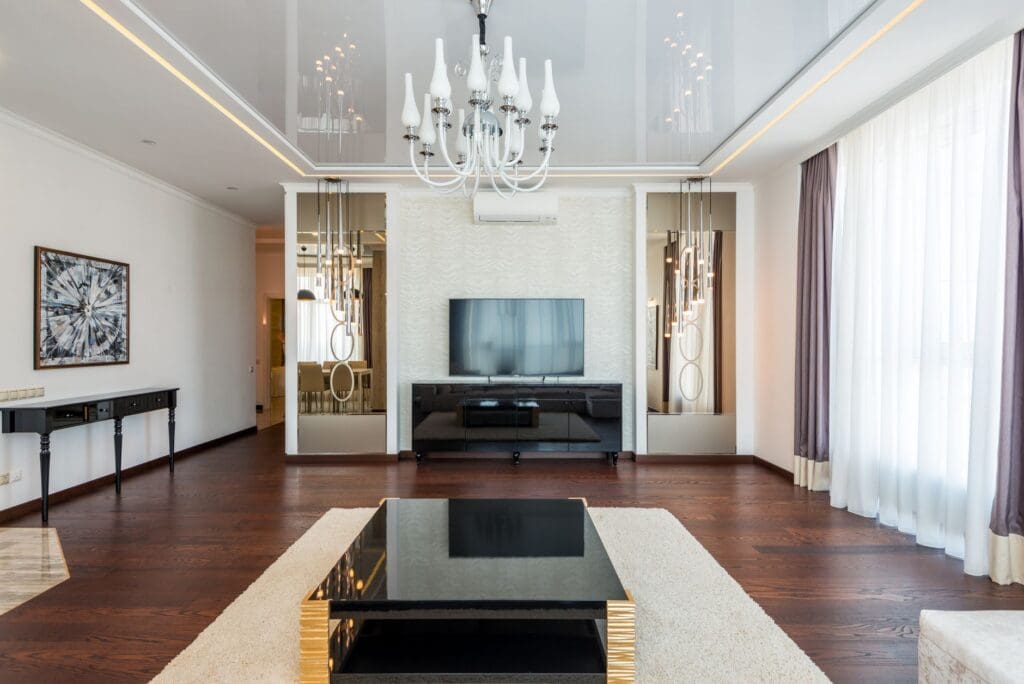
In spaces where things tend to collect, use furniture with closed storage rather than open shelving. A TV console with cabinets ($200-$900) hides gaming equipment, DVDs, and cords better than an open media stand. Closed storage gives you permission to be less-than-perfect inside while maintaining a calm exterior.
Know When to Let Furniture Go
Sometimes clutter isn’t just about too much stuff—it’s about too much furniture. That extra chair nobody sits in or the decorative table that’s become a dumping ground might be taking up space without adding value.
Walk through each room and honestly assess whether every piece of furniture serves you. If it’s just collecting clutter, it might be time to let it go. Replacing one large, cluttered bookcase with a smaller, well-organized one can actually make a room feel more spacious. The goal is furniture that facilitates organization, not pieces that become clutter magnets.
Remember, decluttering is a process, not a one-time event. By choosing furniture with smart storage, working in manageable chunks, and creating simple systems that match your lifestyle, you’ll gradually transform your home into a space that feels calm rather than chaotic. Start with one drawer today—you’ll be amazed how that small win motivates you to keep going.
There’s nothing quite like settling in for movie night at home, but harsh overhead lighting can ruin the whole experience. Too bright, and you’re squinting at a washed-out screen. Too dark, and you’re fumbling for the remote or straining your eyes. Getting your living room lighting right for movie watching isn’t complicated—it just takes the […]
You probably reach for your phone to change the temperature, lock your doors, or check who’s at the front door—so why are you still walking across the room to flip light switches? Smart lighting transforms your living room from a space with basic on-off switches into one that adapts to movie nights, dinner parties, reading […]
A chandelier can transform your living room from ordinary to unforgettable, but choosing the wrong size or style can throw off your entire space. Unlike task lighting that quietly does its job, a chandelier makes a statement—which means getting it right matters. Whether you’re working with vaulted ceilings or a cozy 10×12 room, here’s how […]