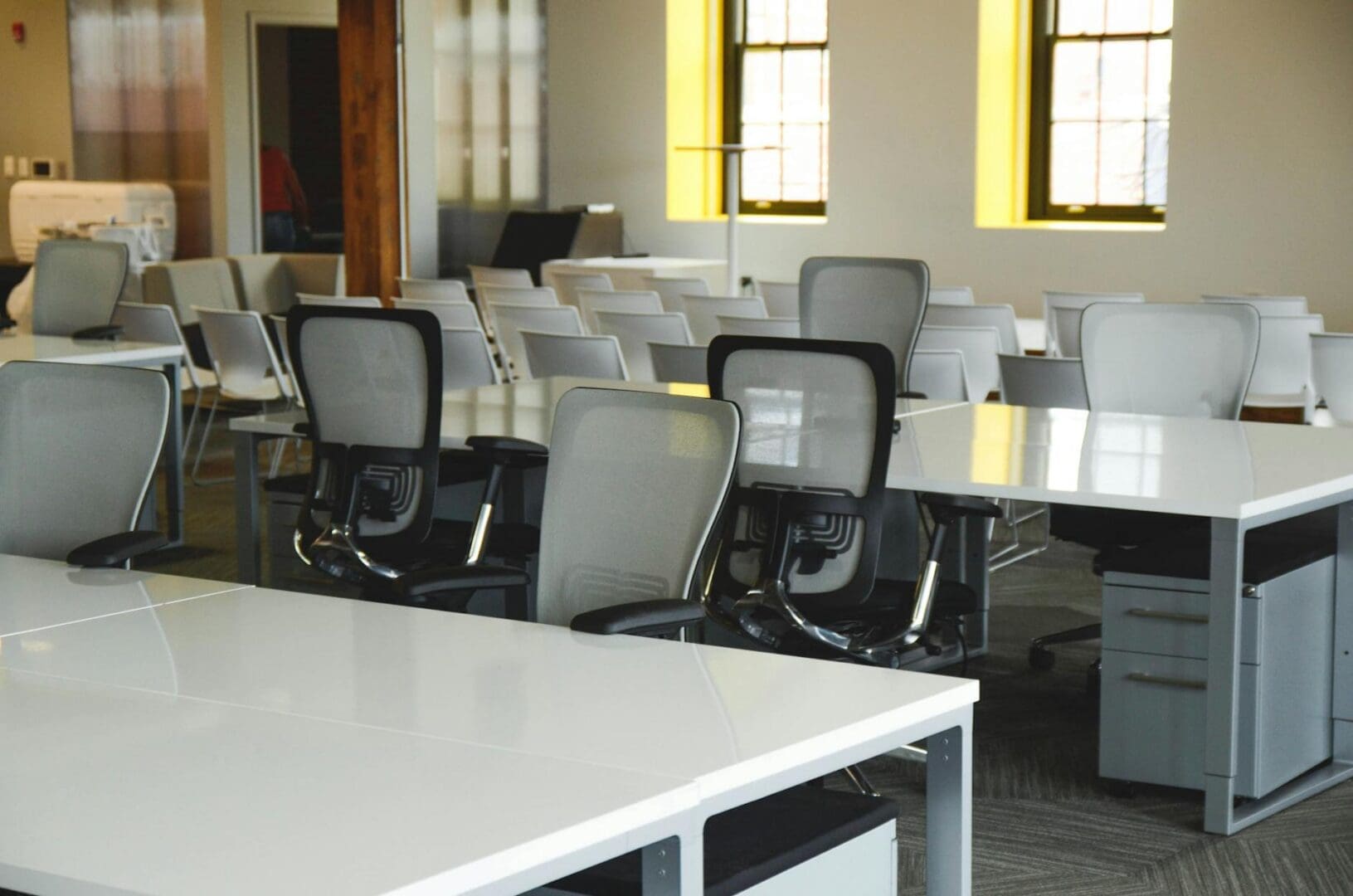
If you’re 5’4″ or under, you know the struggle: standard desk chairs leave your feet dangling, the armrests hit at the wrong spot, and that lumbar support everyone raves about? It’s pressing into your shoulder blades. Most office chairs are designed for someone around 5’9″, which means they’re working against you rather than with you. The good news is that finding a chair that fits your frame isn’t about settling for less—it’s about knowing exactly what features to look for.
Seat Height: The Make-or-Break Measurement
This is where most chairs fail shorter people right out of the gate. When you sit with your feet flat on the floor, your knees should bend at roughly 90 degrees. For someone under 5’4″, you typically need a chair that adjusts down to at least 16 inches from the floor—ideally even lower, around 14-15 inches.
Standard office chairs usually bottom out around 17-18 inches, which leaves you choosing between dangling feet (terrible for circulation) or perching on the edge of the seat (hello, back pain). When shopping, look specifically for chairs marketed as “petite” or those with an extended range pneumatic cylinder. These usually adjust from 15 to 19 inches rather than the standard 18 to 22 inches.
Budget options with proper low-height adjustment run $150-250, while ergonomic models designed for smaller frames can range from $300-600. High-end ergonomic chairs with petite sizing options can exceed $800, but they often come with better warranty coverage.
Seat Depth and Width Matter More Than You Think
Even if the height is perfect, a seat that’s too deep forces you to choose between back support and leg support—you can’t have both. Your ideal seat depth allows you to sit all the way back while maintaining 2-4 inches of space between the seat edge and the back of your knees.
Look for chairs with seat depths of 15-17 inches rather than the standard 18-20 inches. Better yet, find one with adjustable seat depth (sometimes called “seat slider” or “seat pan adjustment”). This feature lets you dial in the perfect position and is worth the extra investment.
Width is less critical, but chairs designed for larger frames can make you feel like you’re swimming in your seat. A seat width of 17-19 inches typically works well for petite frames, providing enough room without excess space that undermines the armrest positioning.
Armrests, Lumbar Support, and Other Adjustments
Adjustable armrests are non-negotiable if you’re short. They need to drop low enough that your shoulders stay relaxed while your elbows rest comfortably at 90 degrees. Look for chairs where armrests adjust down to at least 6 inches above the seat, and ideally offer width adjustment too.
For lumbar support, you want something that can be positioned lower on your back than standard. The lumbar curve of your spine sits lower than it does on a taller person. Adjustable lumbar support—either via a knob that moves the support up and down, or a cushion you can reposition—is essential. Fixed lumbar support almost never hits the right spot for someone under 5’4″.
Other helpful features include:
Tilt tension control that accommodates lighter body weight (standard settings often require too much force for petite users to recline comfortably)
Backrest height adjustment to position headrests or upper back support correctly
Five-point base with smaller-diameter wheels that don’t spread too wide
What to Test Before You Buy
If at all possible, sit in the chair before purchasing. Pay attention to whether you can adjust the seat low enough to plant your feet flat while maintaining a slight downward slope from hips to knees. Check if you can reach all the adjustment levers without contorting yourself—some chairs place controls in spots that are hard to reach if you have shorter arms.
When shopping online, scrutinize the specifications sheet. Anything labeled “petite,” “small,” or showing a minimum seat height below 16 inches deserves a closer look. Read reviews from other short users—they’ll often mention whether adjustments go low enough or if the proportions actually work for smaller frames.
Finding the right desk chair when you’re short isn’t about compromising on comfort or quality. It’s about recognizing that you need specific measurements and features that standard chairs simply don’t offer. Start with seat height as your filter, then narrow down based on depth and adjustability. Your back, legs, and productivity will thank you for taking the time to find a chair that actually fits your body.
Your home office deserves better than a jumble of mismatched shelves and that filing cabinet you’ve been meaning to replace. A storage wall unit can transform your workspace from chaotic to composed, giving you dedicated spots for books, supplies, tech equipment, and all those things that currently live in piles. The trick is finding one […]
If you’re drowning in papers, sticky notes, and file folders that haven’t been touched in months, you’re not alone. The promise of a paper-free office isn’t just about going digital—it’s about choosing furniture and storage solutions that support a cleaner, more organized way of working. The right setup makes it easier to maintain that clutter-free […]
Your back is telling you it’s time. After months of working from home in a dining chair or that hand-me-down seat from college, you’re ready to invest in a proper office chair. The good news? You don’t need to spend $800 on a Herman Miller to get real ergonomic support. The under-$300 market is packed […]