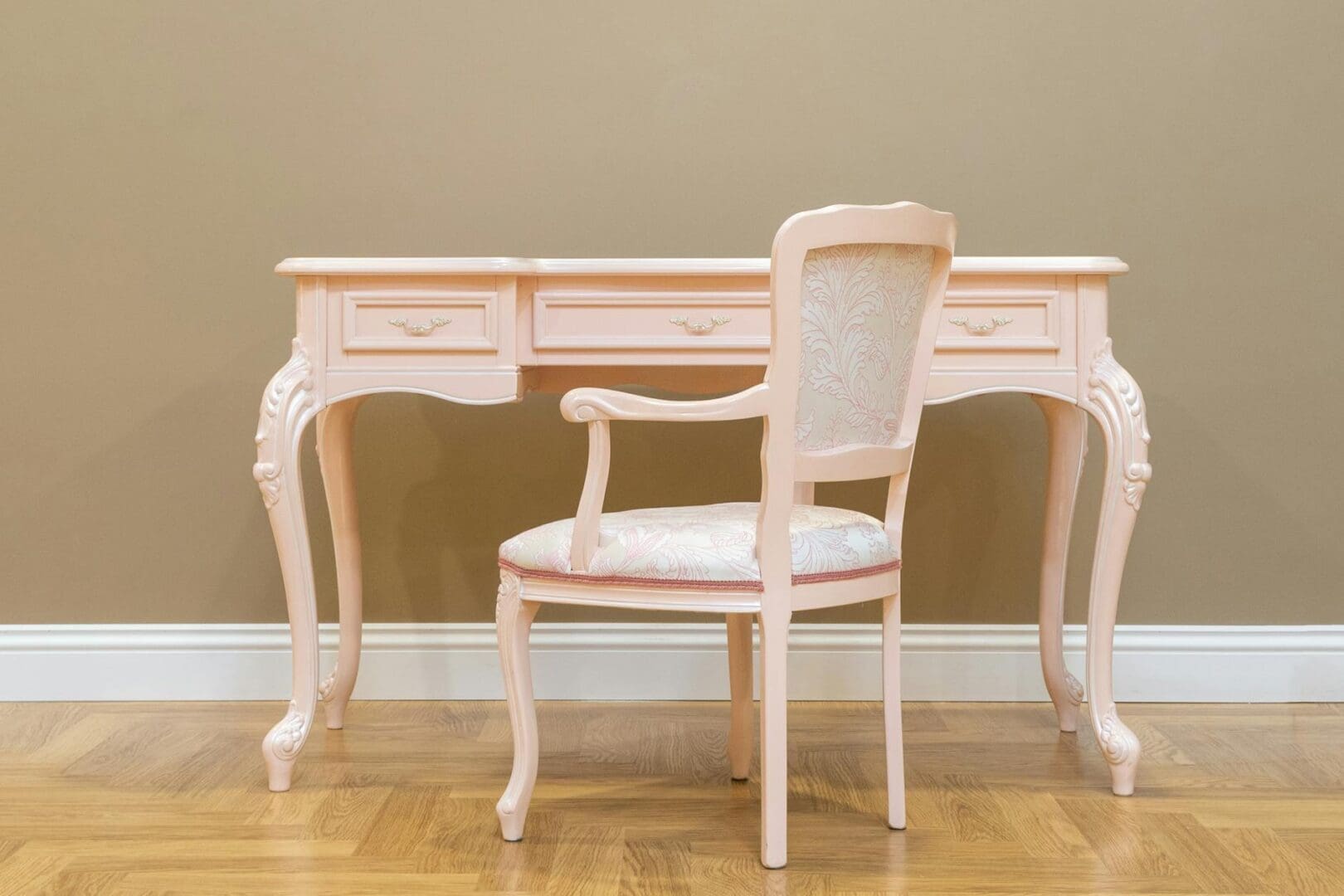
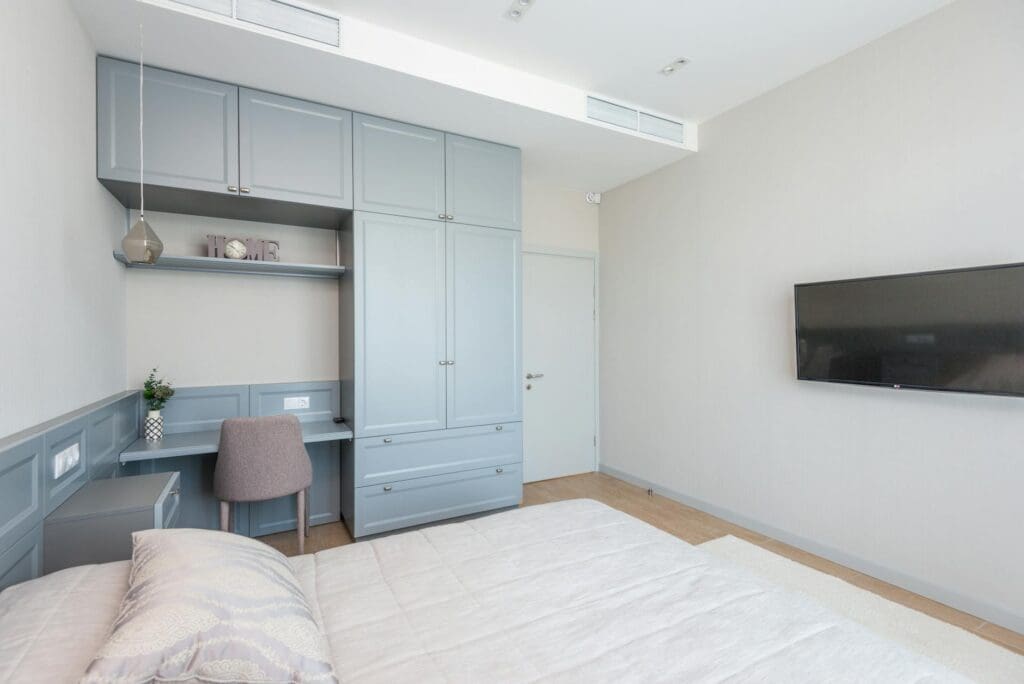
Squeezing a desk into your bedroom, carving out workspace in a corner, or designing a dedicated home office? The wrong desk size can make your whole room feel off—too cramped, awkwardly proportioned, or just not functional enough for actual work. Let’s figure out exactly what dimensions will work for your space and your needs.
Measure Your Room (And Leave Breathing Room)
Before you fall in love with any desk, grab a tape measure. You’ll want at least 24-30 inches of clearance behind your chair so you can push back and stand up comfortably. If people need to walk behind you while you’re working, bump that up to 36-48 inches.
For the desk itself, standard depths range from 24 to 30 inches. A 24-inch depth works for basic laptop use and writing, but if you’re working with multiple monitors, sketching, or spreading out paperwork, you’ll want that full 30 inches. Width varies wildly—compact desks start around 36-40 inches, while larger workstations can stretch to 60-72 inches or more.
Here’s a practical trick: use painter’s tape to mark out the desk footprint on your floor. Live with it for a day or two. Does it feel right when you walk through the room? Can you open drawers and doors without playing furniture Tetris?
Match the Desk to How You Actually Work
Your work style should drive the size decision. If you’re mostly answering emails and video calling, a writing desk around 42-48 inches wide gives you enough surface area without dominating the room. Budget-friendly options in this category typically run $150-$300, while solid wood versions land in the $400-$800 range.
For more intensive work—design projects, gaming setups, or anything requiring multiple screens—look at L-shaped or executive desks. These range from 60-72 inches on the main side and provide the workspace you actually need. Expect to spend $300-$600 for manufactured wood and laminate options, or $800-$2,000+ for hardwood constructions with substantial storage.
Corner desks maximize awkward spaces beautifully and typically measure 48-60 inches on each side. They’re particularly smart for small rooms because they use space that’s otherwise hard to furnish effectively.
Consider Height and Storage Needs
Standard desk height is 28-30 inches, which works for most people with a properly adjusted chair. If you’re significantly taller or shorter than average, or if you want the flexibility to stand, look into adjustable-height desks. These typically range from 22-48 inches and run $300-$1,200 depending on the mechanism quality and desktop size.
Storage adds depth and width to your desk footprint. A simple writing desk might be sleek, but if you need file drawers, keyboard trays, or built-in shelving, you’re adding 2-6 inches to the depth and potentially more width. Think honestly about what you need to store within arm’s reach. A desk with inadequate storage just means clutter migrates to your desktop or floor.
Hutches and overhead storage extend the vertical footprint—great for small spaces with high ceilings, but they can make a room feel more crowded. Make sure you have adequate overhead clearance and that upper shelves don’t block natural light from windows.
Room Proportions and Traffic Flow
A desk shouldn’t overwhelm your room or create an obstacle course. In bedrooms, keep the desk footprint to about 10-15% of the floor space. For dedicated home offices, you can go larger—up to 25% of the room’s square footage.
Think about placement before you commit to a size. Desks positioned against walls can be deeper since you’re only accessing them from one side. Floating desks in the center of a room need more clearance all around. Window placement matters too—you’ll want your screen perpendicular to windows to avoid glare, which might dictate where (and what size) your desk can go.
The relationship between your desk and other furniture matters. In a bedroom office setup, your desk should feel proportional to your bed and dresser. An oversized executive desk might look absurd next to a twin bed, while a tiny writing desk can look lost in a master suite.
Finding the right desk size comes down to honest assessment: measure your space, consider your actual work habits, and think about how the desk will share the room with everything else. A desk that fits well makes working from home feel effortless rather than like you’re fighting your furniture every day. Take your time with the measurements, and you’ll end up with a workspace that just works.
Your home office deserves better than a jumble of mismatched shelves and that filing cabinet you’ve been meaning to replace. A storage wall unit can transform your workspace from chaotic to composed, giving you dedicated spots for books, supplies, tech equipment, and all those things that currently live in piles. The trick is finding one […]
If you’re drowning in papers, sticky notes, and file folders that haven’t been touched in months, you’re not alone. The promise of a paper-free office isn’t just about going digital—it’s about choosing furniture and storage solutions that support a cleaner, more organized way of working. The right setup makes it easier to maintain that clutter-free […]
Your back is telling you it’s time. After months of working from home in a dining chair or that hand-me-down seat from college, you’re ready to invest in a proper office chair. The good news? You don’t need to spend $800 on a Herman Miller to get real ergonomic support. The under-$300 market is packed […]