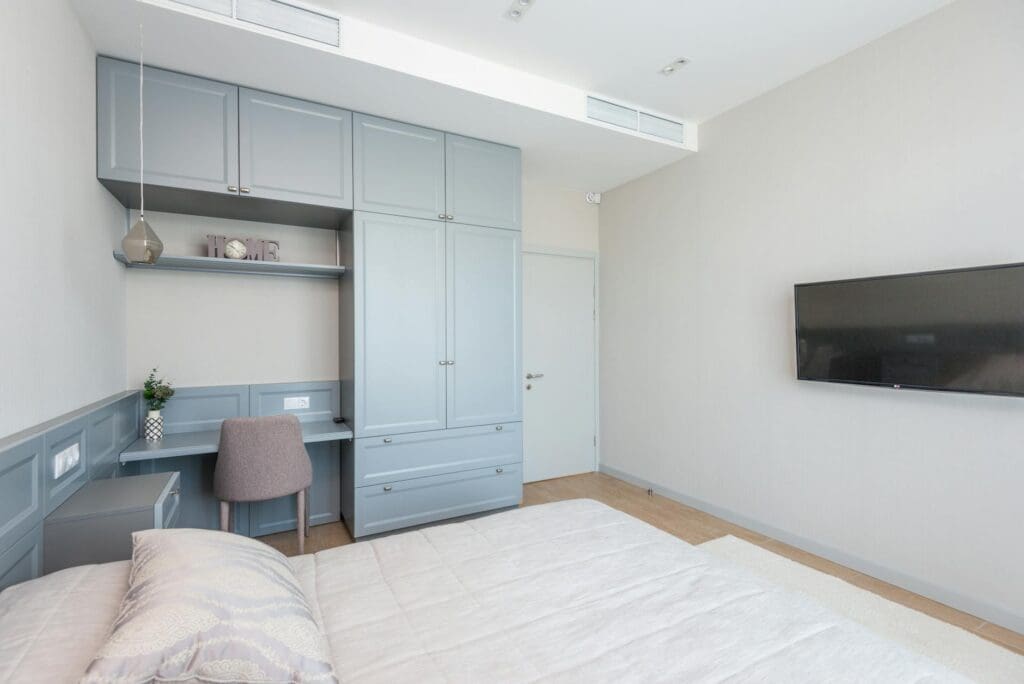
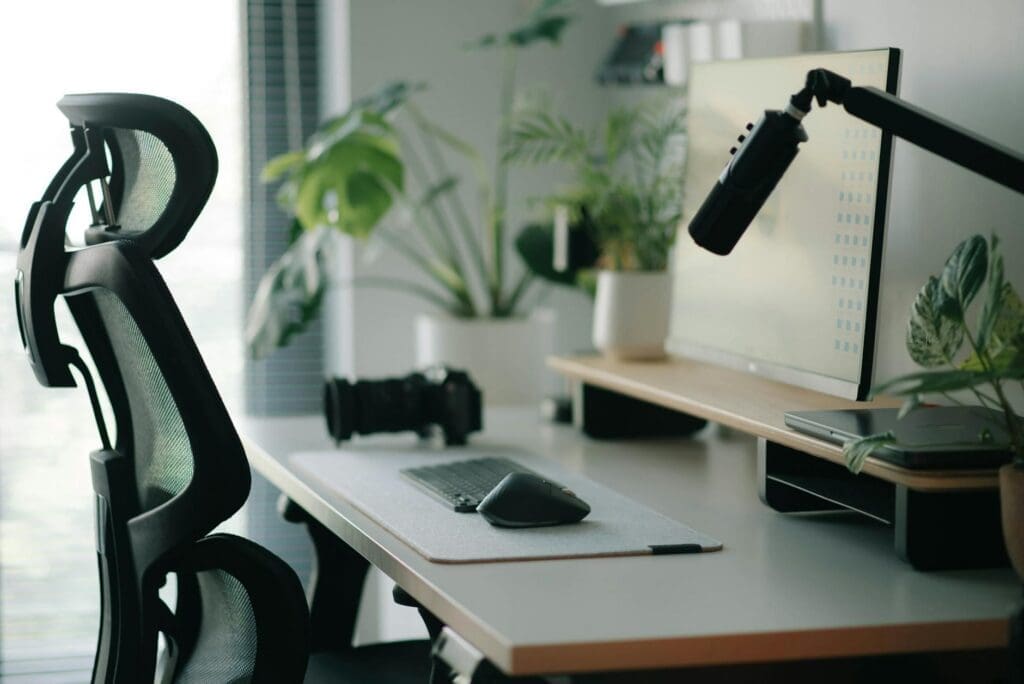
A cluttered home office doesn’t just look chaotic—it actually makes it harder to focus and get things done. But here’s the good news: creating an organized, functional workspace doesn’t require a complete room makeover or a four-figure budget. With some strategic planning and the right pieces, you can transform even the messiest corner into a productive zone that actually helps you work better.
Start With Smart Storage Solutions
Before buying anything new, take stock of what you actually need to store. Papers, supplies, cables, books—each category needs its own home. Wall-mounted shelving units are your best friend here, running anywhere from $30 for basic floating shelves to $150 for modular systems. They free up precious desk space while keeping essentials within reach.
For desktop organization, look for tiered trays and drawer organizers in the $15-40 range. These keep daily supplies visible but contained. File boxes and magazine holders (typically $10-25 each) work beautifully for corralling paperwork vertically, whether on shelves or tucked beside your desk. If you’re dealing with lots of small items like paper clips, USB drives, and sticky notes, small drawer units or desktop caddies around $20-50 prevent that frustrating “junk drawer” effect.
Cable management might seem trivial, but tangled cords create visual chaos. Simple cable clips, zip ties, and under-desk cable trays cost under $20 total and make a surprisingly big difference in how clean your space feels.
Choose Furniture That Works Harder
You don’t need an expensive built-in system to maximize your space. The key is choosing pieces that serve multiple purposes. A desk with built-in drawers or shelving (starting around $150-200) eliminates the need for separate storage furniture. Look for options with keyboard trays to free up surface space, or consider a simple writing desk paired with a separate bookcase if that better fits your room layout.
Rolling file cabinets in the $60-120 range are particularly versatile—they provide storage, can tuck under your desk when not in use, and some even have cushioned tops that double as extra seating. If floor space is tight, a wall-mounted fold-down desk (around $100-200) can literally disappear when you’re not working.
Don’t overlook secondhand options. Desks, filing cabinets, and bookcases are some of the easiest furniture pieces to find gently used. A $40 thrift store desk and $30 worth of paint or contact paper can look just as good as something brand new.
Create Zones for Different Tasks
Even in a small space, creating designated areas for different activities helps maintain order. Your desk surface should be primarily for active work—computer, notebook, and maybe a lamp. Everything else needs a specific spot elsewhere.
Use a bookcase or credenza (budget options start around $80-100) to create a separate supply zone. Keep printer paper, extra notebooks, and reference materials here rather than piled on your work surface. A small cart on wheels ($30-60) can serve as a mobile supply station that you roll out when needed and tuck away when you don’t.
If you do creative work or need to reference multiple documents, consider adding a small bulletin board ($15-30) or pegboard system ($25-50) to one wall. These vertical spaces let you pin up current projects without cluttering your desk, and pegboards especially shine for hanging frequently-used tools and supplies.
Maintain Your System With the Right Accessories
The final piece is choosing organizers that actually fit how you work. Drawer dividers, desktop trays, and small bins should match the items you use most. A graphic designer needs different storage than an accountant. Measure your drawers before buying dividers, and choose clear containers when possible so you can see what’s inside at a glance.
Label makers (around $20-30) might feel excessive, but labels dramatically increase the chances you’ll maintain your system long-term. When everything has a clear home, putting things away becomes automatic rather than a decision you have to make each time.
Building an organized home office on a budget is entirely possible when you focus on functional storage, multi-purpose furniture, and maintaining clear zones for different activities. Start with the storage solutions that address your biggest pain points, add furniture that maximizes your specific space, and choose organizers that match your actual workflow. Your productivity—and your peace of mind—will thank you.
Your home office deserves better than a jumble of mismatched shelves and that filing cabinet you’ve been meaning to replace. A storage wall unit can transform your workspace from chaotic to composed, giving you dedicated spots for books, supplies, tech equipment, and all those things that currently live in piles. The trick is finding one […]
If you’re drowning in papers, sticky notes, and file folders that haven’t been touched in months, you’re not alone. The promise of a paper-free office isn’t just about going digital—it’s about choosing furniture and storage solutions that support a cleaner, more organized way of working. The right setup makes it easier to maintain that clutter-free […]
Your back is telling you it’s time. After months of working from home in a dining chair or that hand-me-down seat from college, you’re ready to invest in a proper office chair. The good news? You don’t need to spend $800 on a Herman Miller to get real ergonomic support. The under-$300 market is packed […]