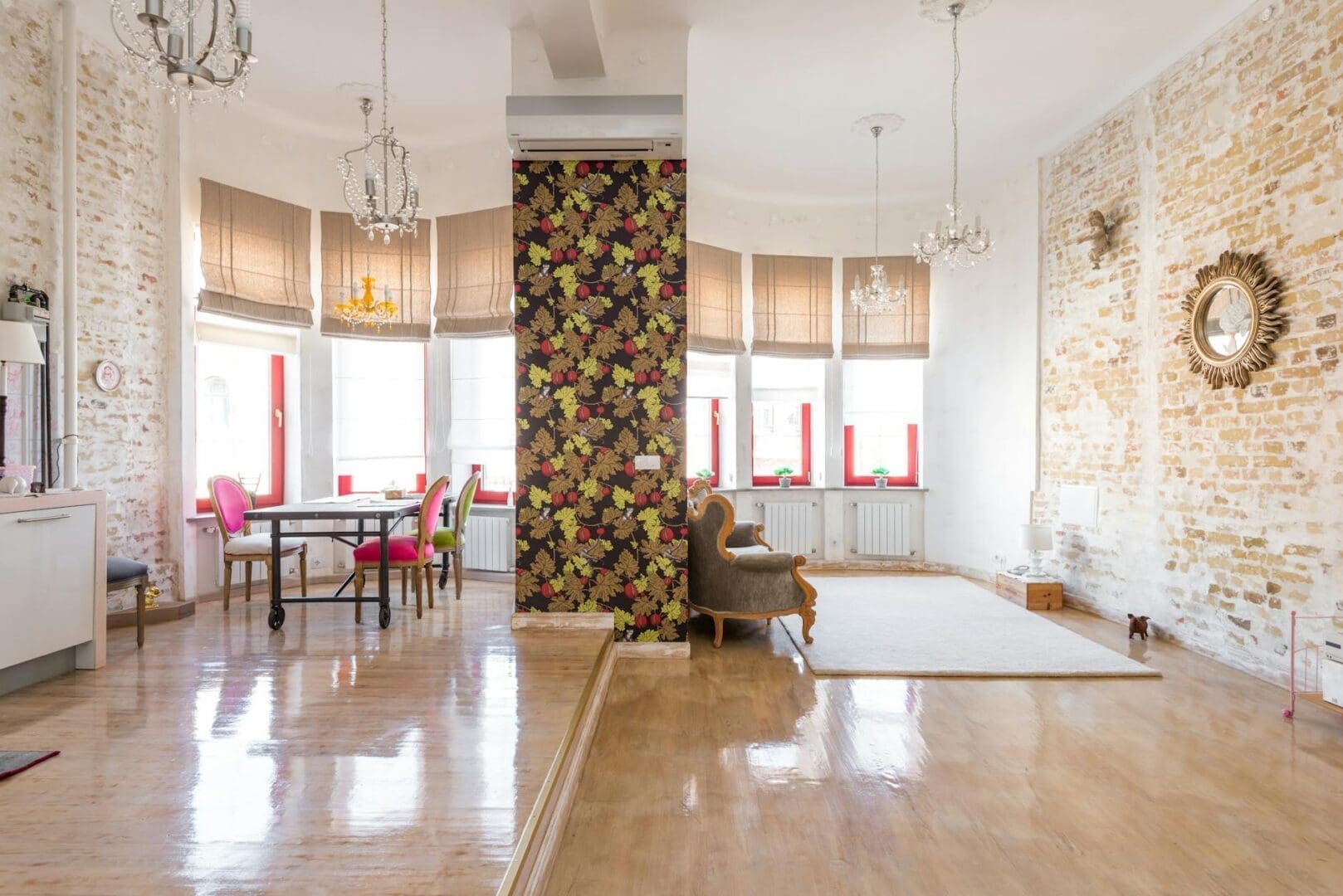
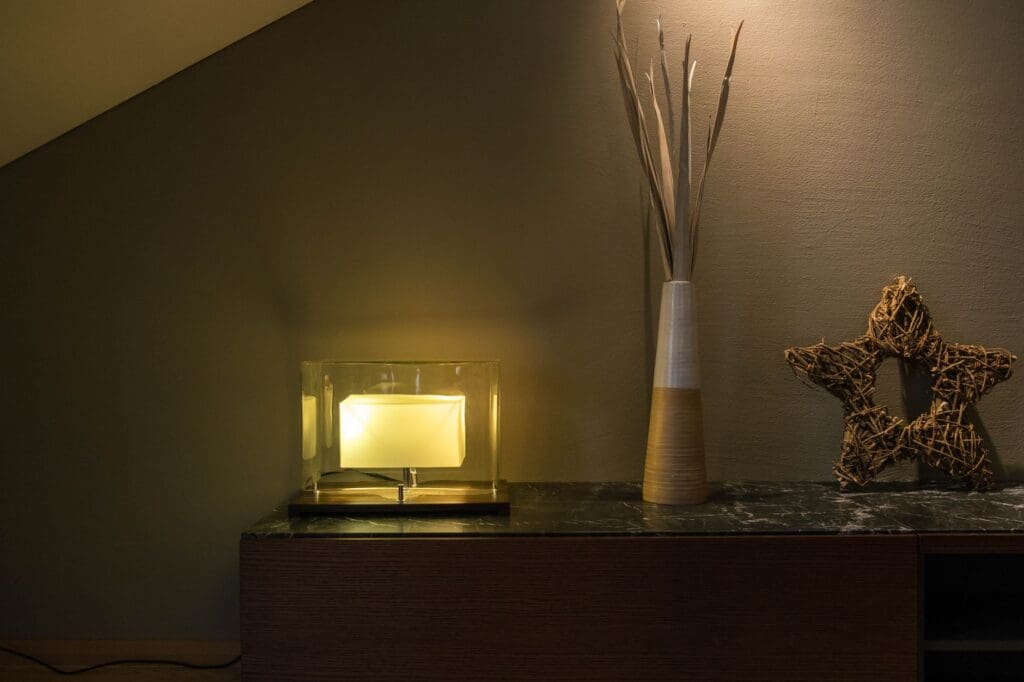
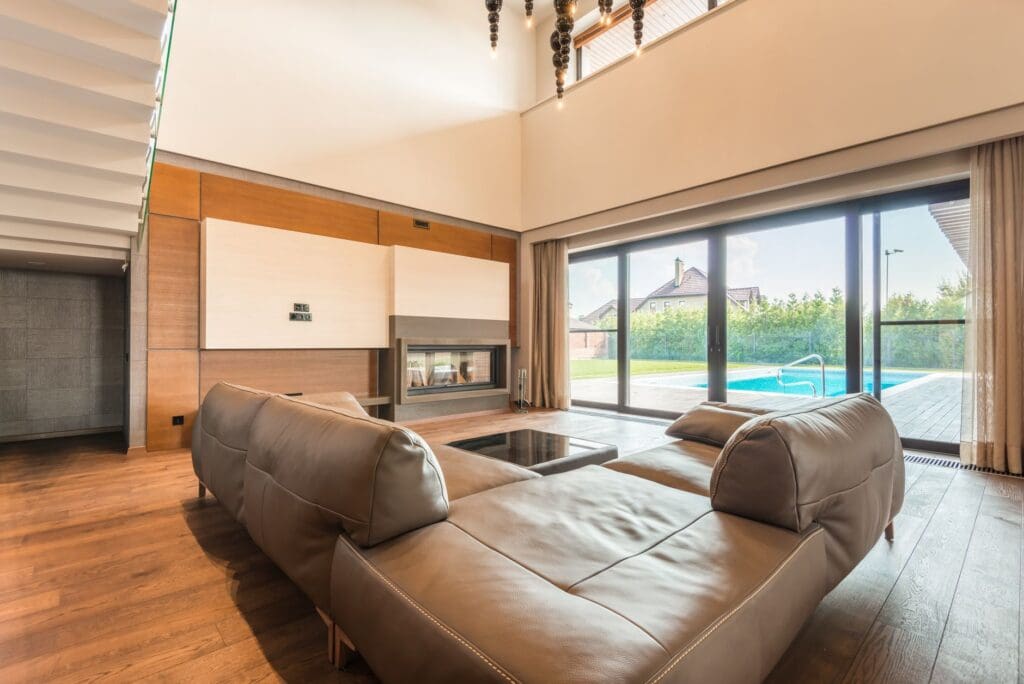
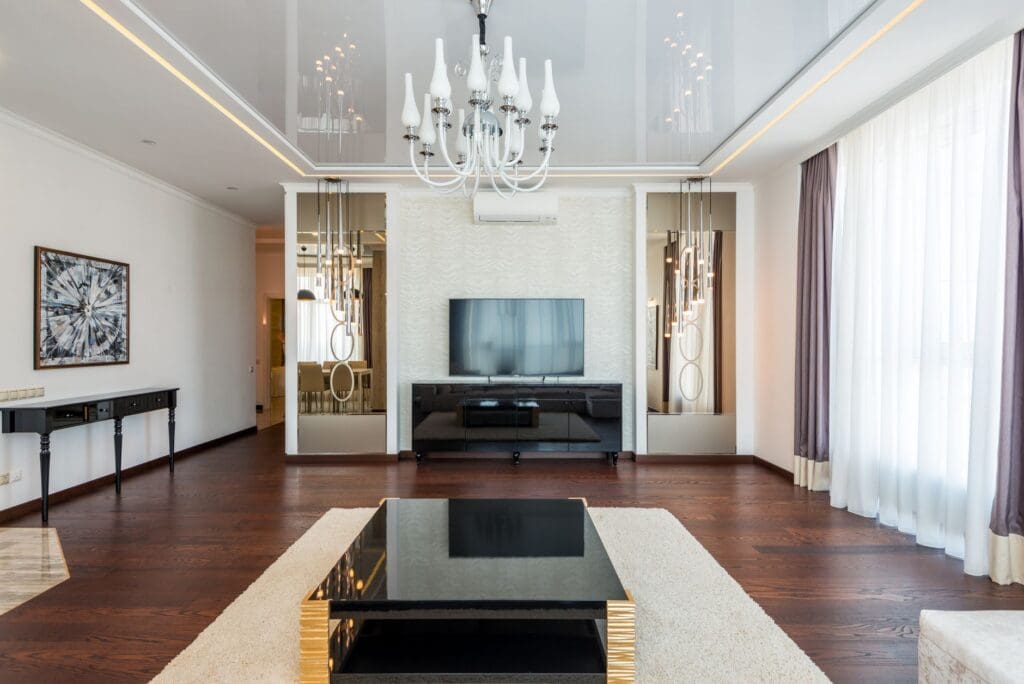
You’ve found the perfect mid-century credenza, but your sofa is decidedly traditional. Your dining chairs are farmhouse chic, but you’re eyeing an industrial metal table. Should everything match? Absolutely not. The most interesting rooms blend multiple furniture styles, but there’s definitely a right way and a wrong way to do it.
The secret isn’t having an interior designer on speed dial—it’s understanding a few practical principles that help different styles play nicely together.
Start With a Dominant Style (60-70% of Your Room)
The biggest mistake people make when mixing furniture styles is trying to give every style equal weight. The result? A room that feels chaotic and indecisive. Instead, choose one style as your foundation and let it take up about two-thirds of your space.
If you love modern furniture, make that your base with a contemporary sofa, streamlined coffee table, and minimalist shelving. Then introduce 30-40% of contrasting elements—maybe a vintage Persian rug, a traditional wood side table, or an ornate mirror. This approach gives your room a clear identity while keeping things visually interesting.
Common dominant styles include modern, traditional, farmhouse, industrial, and coastal. Your secondary and accent pieces can pull from anywhere: bohemian textiles, art deco lighting, Scandinavian chairs, or rustic wood pieces. The key is maintaining that 60-70% rule so your room has a clear point of view.
Use Consistent Elements as Your Bridge
When you’re pairing a sleek glass coffee table with a chunky farmhouse sofa, you need something to tie them together. Think of these as visual bridges that help different styles feel intentional rather than random.
The easiest bridges are color and finish. If your modern dining table has warm walnut tones, traditional chairs in a similar wood finish will feel cohesive even though the styles differ. A metal finish that appears in both your industrial bookshelf and your modern floor lamp creates connection. White or black pieces work especially well as neutral bridges between styles.
Scale and proportion matter too. A delicate Victorian chair will look lost next to an oversized contemporary sectional, but a substantial traditional wingback can hold its own. When mixing styles, keep your furniture pieces roughly similar in visual weight—or deliberately use one dramatic piece as your focal point with everything else supporting it.
Know Which Styles Actually Work Together
Some furniture styles are naturally compatible because they share underlying qualities, while others require more finesse. Here’s what tends to work:
Modern + Mid-Century: Both love clean lines and functional design, making this an easy pairing even for beginners
Industrial + Farmhouse: Raw materials and vintage appeal connect these styles seamlessly
Traditional + Transitional: Transitional furniture literally bridges traditional and contemporary, making it perfect for mixing
Bohemian + Anything: Boho’s eclectic nature means it plays well with most styles through textiles and accessories
Coastal + Scandinavian: Light woods, neutral palettes, and relaxed vibes make these natural partners
The trickier combinations—like ornate French Provincial with stark minimalism—aren’t impossible, but they require more attention to those bridging elements. You’ll need stronger color connections and careful balance to pull them off.
Layer In Your Mix Gradually
If you’re furnishing from scratch, resist buying everything at once. Start with your largest, most dominant-style pieces first: sofa, bed frame, dining table. These typically range from $800-3000+ depending on quality and size, so they’re also your biggest investment.
Next, add your secondary style through medium-sized pieces like accent chairs ($300-1200), side tables ($150-600), or case goods like dressers and credenzas ($500-2000). This is where you can introduce contrast without overwhelming your space.
Finally, bring in your smallest mix-and-match elements through lighting ($50-500), decor, textiles, and accessories. These are the easiest to switch out if something doesn’t work, making them low-risk ways to experiment with additional styles.
Living with your furniture for a few weeks before adding the next piece helps you see what’s missing and what works. That vintage trunk you thought would be perfect might actually clash, or you might realize you need one more modern element to maintain your dominant style.
Mixing furniture styles isn’t about following rigid rules—it’s about creating a space that reflects your actual taste rather than a showroom floor. When you understand the basic framework of dominant styles, visual bridges, and compatible pairings, you can confidently combine that modern sofa with your grandmother’s dresser, or pair industrial dining chairs with a farmhouse table. The result is a home that looks collected over time rather than bought in one afternoon.
There’s nothing quite like settling in for movie night at home, but harsh overhead lighting can ruin the whole experience. Too bright, and you’re squinting at a washed-out screen. Too dark, and you’re fumbling for the remote or straining your eyes. Getting your living room lighting right for movie watching isn’t complicated—it just takes the […]
You probably reach for your phone to change the temperature, lock your doors, or check who’s at the front door—so why are you still walking across the room to flip light switches? Smart lighting transforms your living room from a space with basic on-off switches into one that adapts to movie nights, dinner parties, reading […]
A chandelier can transform your living room from ordinary to unforgettable, but choosing the wrong size or style can throw off your entire space. Unlike task lighting that quietly does its job, a chandelier makes a statement—which means getting it right matters. Whether you’re working with vaulted ceilings or a cozy 10×12 room, here’s how […]