Your living room should feel like a warm hug at the end of a long day, but creating that inviting atmosphere doesn’t mean emptying your savings account. The truth is, coziness comes from thoughtful layering and smart choices rather than expensive price tags. Let’s walk through how to make your living room feel genuinely comfortable and welcoming without the budget stress.
Start With Soft Textiles and Layered Textures
The fastest way to add coziness to any living room is through soft fabrics. Think throw blankets draped over your sofa, plush pillows in varying sizes, and a comfortable area rug underfoot. These items create visual warmth and actual comfort without requiring a major furniture overhaul.
For throw blankets, look for chunky knits, faux fur, or soft fleece in the $25-$50 range. You’ll want at least two per seating area so they’re always within reach. Decorative pillows vary wildly in price, but you can find quality options for $15-$35 each. Mix textures like velvet, linen, and cable knit rather than matching everything perfectly—this layered approach actually looks more expensive and collected over time.
Area rugs anchor your space and muffle sound, making rooms feel more intimate. Budget options start around $100 for smaller sizes (5×7), while an 8×10 rug typically runs $200-$400. Natural fiber rugs like jute offer great texture at lower price points, though they’re less soft underfoot than plush synthetic options.
Focus Your Furniture Budget on Seating Comfort
You don’t need to replace everything, but where you sit matters most for coziness. If your sofa feels stiff or uninviting, consider a slipcover ($80-$200) before buying new furniture. Slipcovers in soft fabrics like canvas or linen can completely transform an uncomfortable piece.
For additional seating, poufs and floor cushions ($40-$100) create casual, sink-in spots perfect for cozy gatherings. An oversized accent chair with good cushioning typically runs $300-$600 and gives you that curled-up-with-a-book feeling that formal seating can’t match.
If you’re buying new upholstered furniture on a budget, prioritize deep seats (at least 22 inches) and soft cushion fills. Microfiber and chenille fabrics in the $500-$900 range for sofas offer both softness and durability. Skip trendy silhouettes in favor of classic shapes with comfortable proportions—you’ll actually use them.
Layer Your Lighting for Warmth
Harsh overhead lighting kills coziness instantly. The solution isn’t expensive—it’s about having multiple light sources at different heights that you can adjust based on mood and time of day.
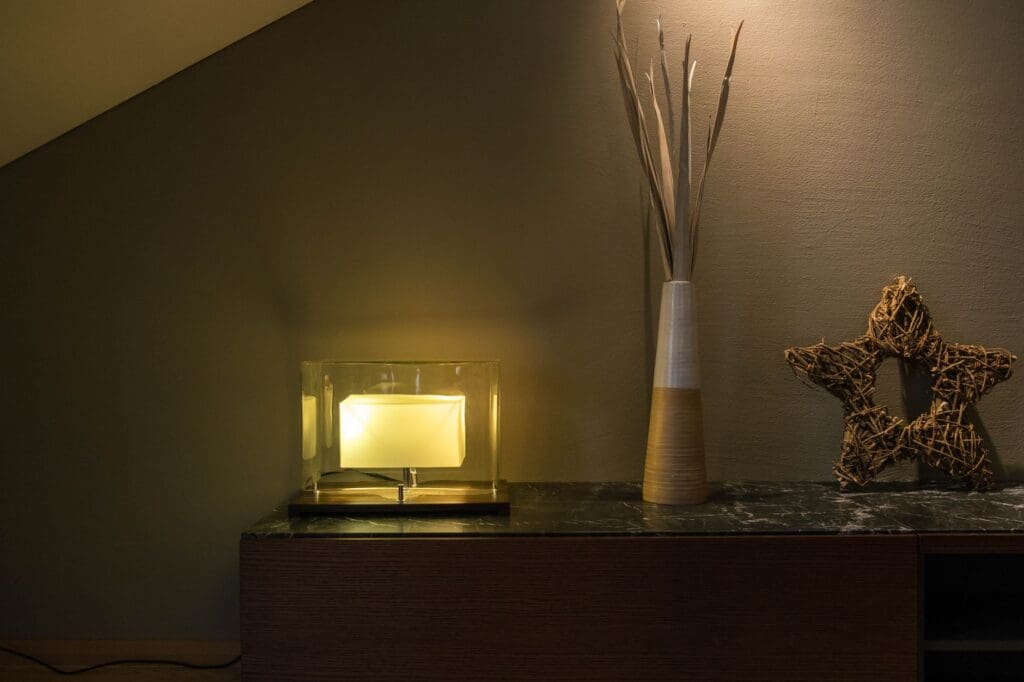
Table lamps ($40-$100) and floor lamps ($60-$150) with warm-toned bulbs (2700K) create pools of soft light that make spaces feel immediately more intimate. Place them in corners and beside seating areas. Dimmer switches ($15-$25 per switch) let you adjust existing overhead fixtures and are surprisingly easy to install.
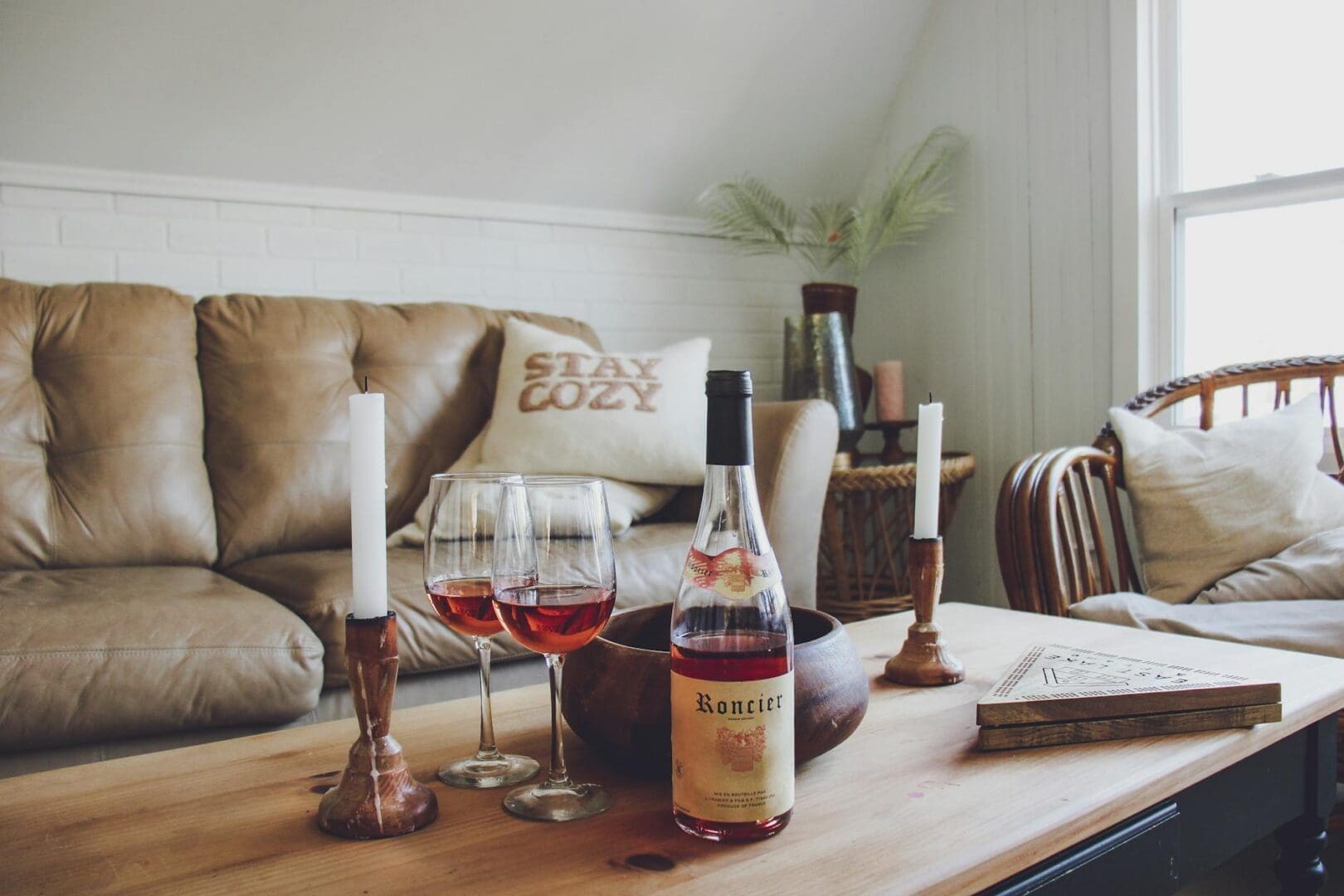
String lights aren’t just for college dorms—draped along a bookshelf or mantel, they add sparkle and warmth for under $20. Candles (real or LED) scattered on coffee tables and shelves cost $3-$15 each but deliver outsized coziness, especially during evening hours.
Add Warmth With Natural and Personal Touches
Cozy rooms feel lived-in and personal, not staged. Wooden elements like floating shelves ($30-$60), bowls, or picture frames add natural warmth that contrasts beautifully with soft textiles. Houseplants ($10-$40 depending on size) bring life and literally improve air quality.
Books displayed on shelves or stacked on coffee tables make spaces feel collected and interesting. Family photos in simple frames, artwork that means something to you, and objects from travels tell your story while filling visual space. These items cost little to nothing but make your room feel uniquely yours.
Baskets ($20-$50) serve double duty—they corral blankets and magazines while adding texture. Opt for woven seagrass or rattan for that organic, cozy aesthetic.
Creating a cozy living room on a budget is absolutely achievable when you focus on layers, softness, and warm lighting rather than expensive statement pieces. Start with textiles and lighting since these deliver the biggest impact for the smallest investment. Then gradually add comfortable seating and personal touches as your budget allows. The most inviting living rooms are built over time, one thoughtful choice at a time.
There’s nothing quite like settling in for movie night at home, but harsh overhead lighting can ruin the whole experience. Too bright, and you’re squinting at a washed-out screen. Too dark, and you’re fumbling for the remote or straining your eyes. Getting your living room lighting right for movie watching isn’t complicated—it just takes the […]
You probably reach for your phone to change the temperature, lock your doors, or check who’s at the front door—so why are you still walking across the room to flip light switches? Smart lighting transforms your living room from a space with basic on-off switches into one that adapts to movie nights, dinner parties, reading […]
A chandelier can transform your living room from ordinary to unforgettable, but choosing the wrong size or style can throw off your entire space. Unlike task lighting that quietly does its job, a chandelier makes a statement—which means getting it right matters. Whether you’re working with vaulted ceilings or a cozy 10×12 room, here’s how […]