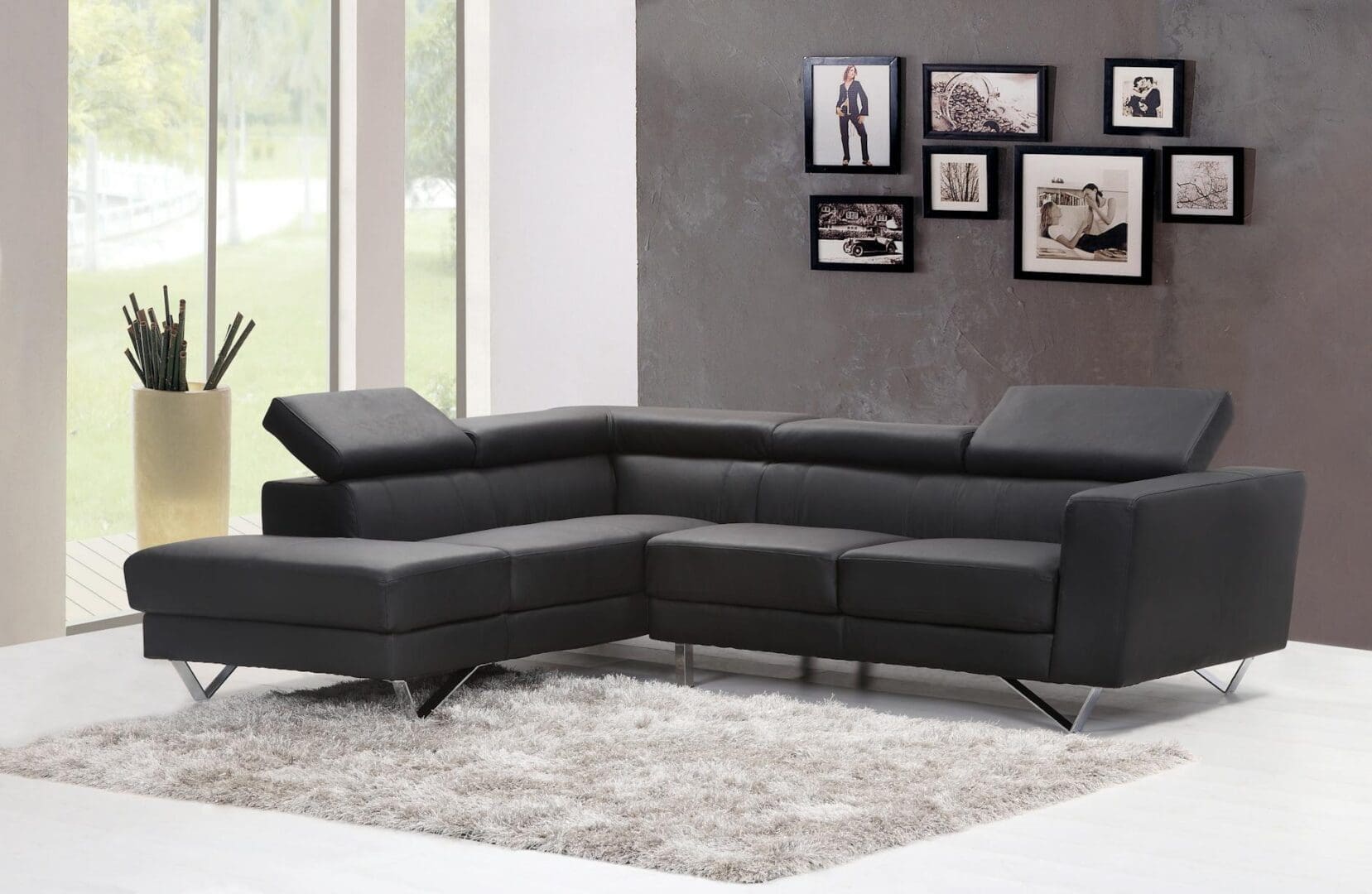
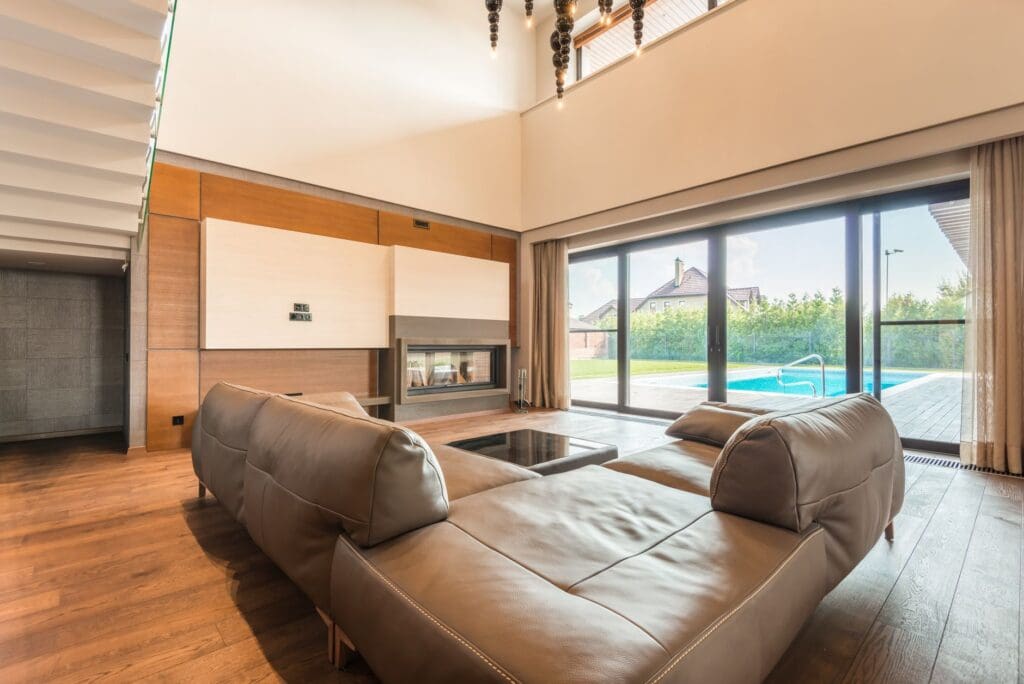
You’ve measured the living room, scrolled through hundreds of photos, and you’re still asking yourself the same question: sofa or sectional? It’s one of the biggest decisions you’ll make for your space, and it’s not just about looks. The right choice affects how your family gathers, how guests feel when they visit, and whether you’ll actually have enough seating when you need it.
Measure Your Space (and Your Life)
Start with the footprint. Sectionals typically range from 95 to 140 inches in their longest configuration, while standard sofas run 72 to 96 inches. But here’s what the measurements don’t tell you: a sectional can actually save space in smaller rooms by tucking neatly into a corner, eliminating the need for additional chairs.
Walk through your room and consider traffic flow. Sectionals work beautifully in open-concept layouts where they can define the living area without blocking sightlines. If your room has multiple doorways or you need to preserve walkways on all sides, a sofa with a separate loveseat or chairs gives you more flexibility.
Think about your future plans too. Moving a three-piece sectional up a narrow staircase is a different beast than maneuvering a single sofa. If you relocate frequently or anticipate room changes, modular sectionals with detachable pieces offer a middle ground, though they typically start around $1,800 compared to $1,200 for comparable sofas.
How You Actually Use Your Living Room
Be honest about your lifestyle. Sectionals shine when you regularly host movie nights, have kids who sprawl out with homework, or love to stretch out for a nap. That continuous seating means nobody’s stuck on the awkward chair in the corner.
If your living room serves multiple purposes—conversation area, reading nook, TV viewing—a sofa plus accent chairs creates distinct zones. You can angle chairs toward the sofa for talking or swivel them toward the television. This flexibility matters in formal living rooms or spaces where you entertain with cocktails and conversation rather than casual hangouts.
Consider your household size. A family of five will appreciate a sectional’s generous seating (typically 5-7 people comfortably). Couples or small families might find a sofa sufficient, especially in budget-friendly options starting around $600, versus $1,000+ for entry-level sectionals.
Style and Design Flexibility
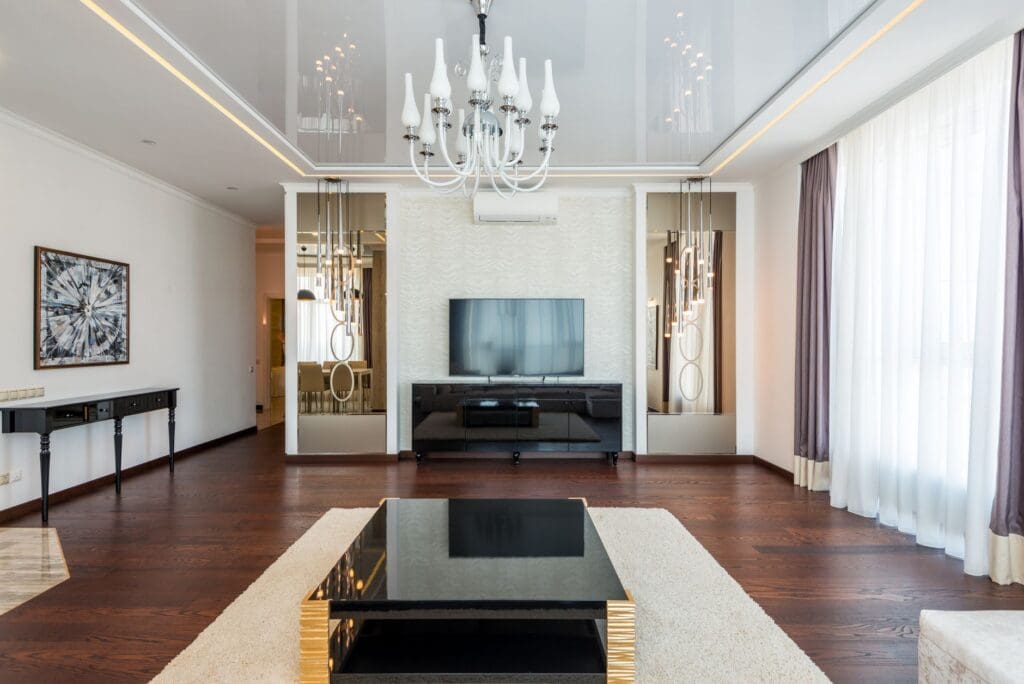
Sofas reign supreme in traditional and formal settings. Their clean, symmetrical profile works with classic design principles, and you’ll find more options in sophisticated styles like Chesterfield, camelback, or English roll-arm designs. Pair a sofa with matching chairs and you create balanced symmetry that’s harder to achieve with a sectional’s L-shape.
Sectionals lean contemporary and casual, though mid-range to high-end options ($2,500-$5,000) now come in more refined styles. The continuous seating creates a modern, laid-back vibe that suits family rooms and media spaces. If you’re drawn to symmetry and traditional layouts, you’ll likely fight against a sectional’s inherent asymmetry.
Color and fabric choices are comparable across both, but remember: you’re committing to more upholstery with a sectional. That gorgeous velvet might cost $3,200 for a sofa but $4,800 for a sectional in the same fabric. Performance fabrics (crucial for households with kids or pets) add 20-30% to the base price of either option.
The Budget Reality Check
Dollar for dollar, sofas give you more style variety at lower price points. Quality sofas start around $800, while sectionals begin closer to $1,200 for similar construction. At the high end, both can easily exceed $6,000 for custom options with premium materials and craftsmanship.
Factor in the complete seating solution. A sofa plus two accent chairs might run $2,000 total, providing seating for five. A sectional offering the same capacity could cost $1,800 to $3,500, depending on configuration. The sectional might look like the budget-friendly choice until you realize you’re locked into that layout.
Here’s the decision framework: choose a sectional if you have corner space to fill, need maximum seating, prefer casual entertaining, and plan to stay put for a while. Go with a sofa if you value decorating flexibility, have a smaller or multi-purpose room, prefer traditional style, or anticipate moving. Both can be the right answer—it just depends on your specific space and how you live in it.
There’s nothing quite like settling in for movie night at home, but harsh overhead lighting can ruin the whole experience. Too bright, and you’re squinting at a washed-out screen. Too dark, and you’re fumbling for the remote or straining your eyes. Getting your living room lighting right for movie watching isn’t complicated—it just takes the […]
You probably reach for your phone to change the temperature, lock your doors, or check who’s at the front door—so why are you still walking across the room to flip light switches? Smart lighting transforms your living room from a space with basic on-off switches into one that adapts to movie nights, dinner parties, reading […]
A chandelier can transform your living room from ordinary to unforgettable, but choosing the wrong size or style can throw off your entire space. Unlike task lighting that quietly does its job, a chandelier makes a statement—which means getting it right matters. Whether you’re working with vaulted ceilings or a cozy 10×12 room, here’s how […]