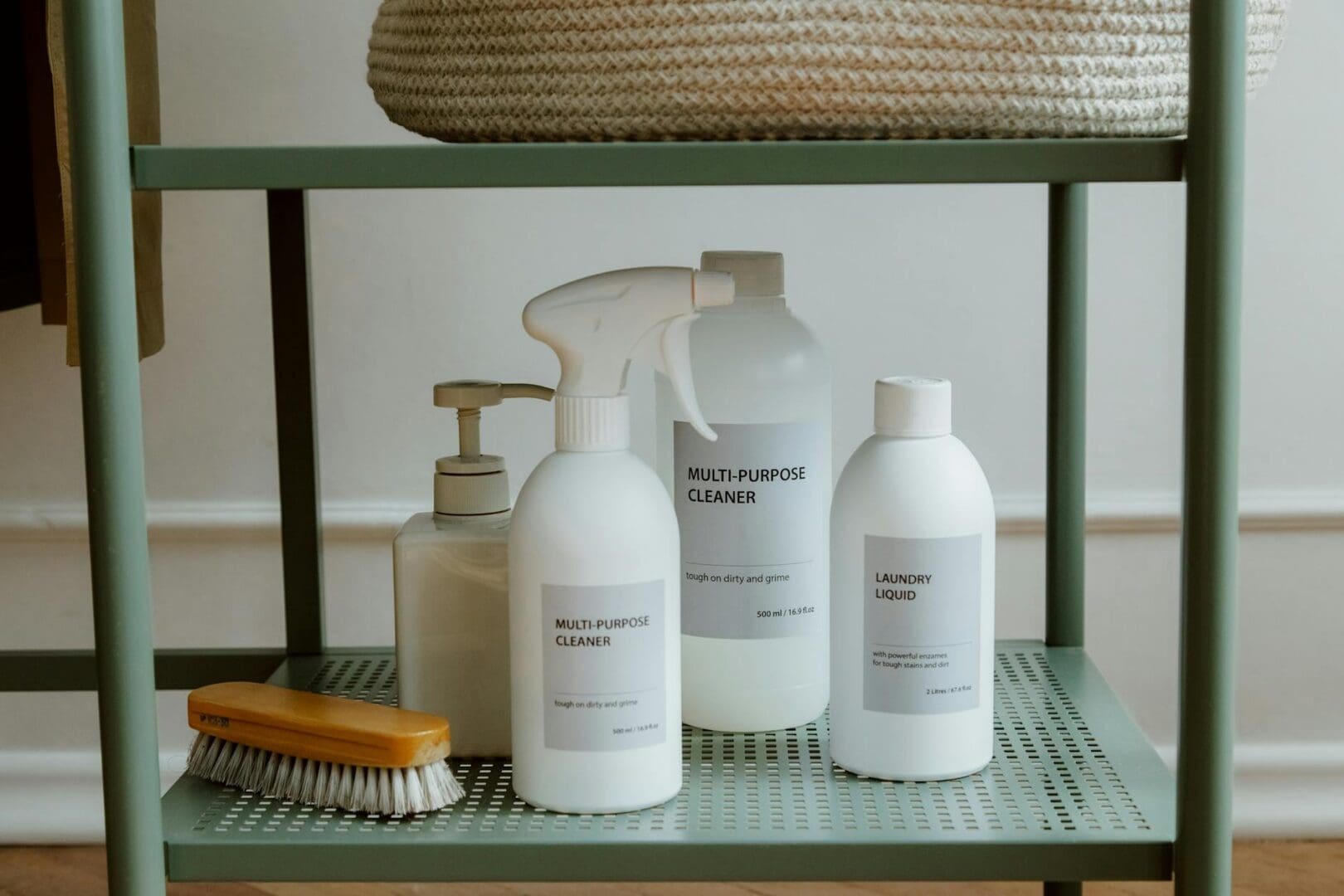
Let’s be honest—keeping your furniture and home looking as good as the day you bought it takes more than just good intentions. Between the dust that settles on your beautiful bookshelf, the mysterious spots on your upholstered sofa, and the fingerprints that somehow appear on every surface, you need the right tools to protect your investment. The good news? You don’t need a closet full of specialized products. You just need the right ones.
The Essential Foundation: Cleaning Cloths and Tools
Before you stock up on sprays and solutions, let’s talk about what actually touches your furniture. Microfiber cloths are your best friend—they trap dust instead of pushing it around, and they’re gentle enough for everything from wood tables to glass coffee tables. Pick up at least six: a few for dusting, a few for wet cleaning, and dedicated ones for different surfaces.
You’ll also want a quality vacuum with attachments. Look for one with a soft brush attachment for upholstery and a crevice tool for getting between sofa cushions. Budget options start around $80, but mid-range models ($150-$300) offer better suction and attachments that actually work. For homes with primarily hard floors and area rugs, a canister vacuum gives you more flexibility than an upright.
Don’t overlook a good duster with an extendable handle. That space above your kitchen cabinets and the top of your wardrobe? They collect more dust than you’d think, and it eventually circulates down to everything else.
Surface-Specific Cleaners That Actually Matter
Here’s where most people go wrong: using the same cleaner on everything. Your wood dining table needs something completely different than your marble countertop or leather chair.
For wood furniture, a dedicated wood cleaner or polish protects the finish while lifting grime. Budget options run $5-$8, while premium formulas with conditioning oils cost $12-$20. If you prefer the DIY route, a simple mixture of olive oil and lemon juice works surprisingly well on most finished woods.
Upholstered furniture requires a fabric cleaner—but check your furniture’s cleaning codes first. “W” means water-based cleaners are safe, “S” means solvent-based only, and “SW” means either works. A good upholstery cleaner costs $8-$15 and will save you from having to call in professional cleaners for minor spills.
For leather furniture, skip the all-purpose cleaners. A proper leather cleaner and conditioner set ($20-$40) prevents cracking and keeps that supple feel. Apply conditioner every 6-12 months, and your leather sofa will age gracefully rather than sadly.
The Problem-Solvers Worth Having
Some cleaning supplies earn their keep by handling those specific situations that make you panic.
A good stain remover pen or spray is non-negotiable if you have upholstered furniture. Keep one handy for immediate treatment of spills—the longer a stain sits, the harder it becomes to remove. Look for enzyme-based formulas for organic stains like food and wine ($8-$15).
Magic erasers or melamine foam sponges work wonders on scuff marks on walls, baseboards, and even some furniture finishes. Just test in an inconspicuous spot first—they’re mildly abrasive and can damage some surfaces.
For glass and mirrors (including those trendy mirror-topped coffee tables), a quality glass cleaner prevents streaking. The $4 bottle works fine, but if you clean a lot of glass, the $8-$10 ammonia-free options are easier on your nose and equally effective.
Storage and Organization Essentials
The best cleaning supplies are ones you’ll actually use, which means they need to be accessible. A cleaning caddy ($15-$30) keeps everything portable and organized. If you have a multi-story home, consider duplicate caddies for each floor—you’re more likely to clean that upstairs dresser if you don’t have to trek downstairs for supplies.
Store your supplies in a dedicated space, preferably in a cool, dry area. A small shelving unit in a closet or utility room keeps bottles upright and prevents spills. This also helps you see what you have before buying duplicates.
The reality is that maintaining your home’s furniture and surfaces doesn’t require an overwhelming collection of products. Start with quality microfiber cloths, a reliable vacuum, and cleaners suited to your specific furniture materials. As you use these basics, you’ll discover which specialized products actually earn their place in your cleaning arsenal. Your furniture will look better longer, and you’ll spend less time both shopping for supplies and actually cleaning.
Did You Know? The Declaration of Independence Was Likely Written in a Windsor Chair As America celebrates 250 years of independence, it’s worth looking at one of the quieter witnesses to that history: the humble Windsor chair. Thomas Jefferson is said to have drafted the Declaration of Independence while seated in an unusual revolving Windsor […]
Most people think of the 1970s as the era of shag carpeting, earth tones, and bean bag chairs. And they’re not wrong. But beneath the avocado green and harvest gold was something much bigger — the beginning of the greatest era in American furniture manufacturing history. A Perfect Storm for Furniture The golden age of […]
If you’re eyeing a storage bed to finally corral the clutter in your bedroom, you’re probably wondering: how much stuff can these actually hold? It’s a fair question, especially since storage beds typically cost $200-$800 more than their non-storage counterparts. Let’s break down exactly what you’re getting for that investment, so you can decide if […]