Your home office should work as hard as you do. Whether you’re full-time remote, hybrid, or just need a dedicated space for managing household tasks, the way we’re designing home offices in 2026 reflects a big shift: we’re finally treating these spaces as permanent parts of our homes rather than makeshift setups. The trends emerging this year focus on flexibility, wellness, and creating rooms that actually feel good to spend time in.
Adaptable Furniture That Serves Multiple Purposes
The rigid, single-purpose desk is losing ground to modular systems that adapt throughout your day. Height-adjustable desks remain popular, but now they’re being paired with mobile storage units, rotating monitor arms, and desk extensions that fold away when you need floor space for yoga or a quick workout.
Look for desks with built-in cable management and power solutions—no more tangled cords snaking across your floor. Credenzas are making a comeback as all-in-one solutions that combine storage, a secondary work surface, and even concealed printer stations. Budget options start around $400 for basic adjustable desks, while premium modular systems with integrated tech features run $1,200 to $2,500.
Storage pieces on wheels are particularly smart investments. A rolling file cabinet or bookshelf lets you reconfigure your layout easily, which matters when your “office” needs to double as a guest room or craft space on weekends.
Warm Minimalism Replaces Stark White Spaces
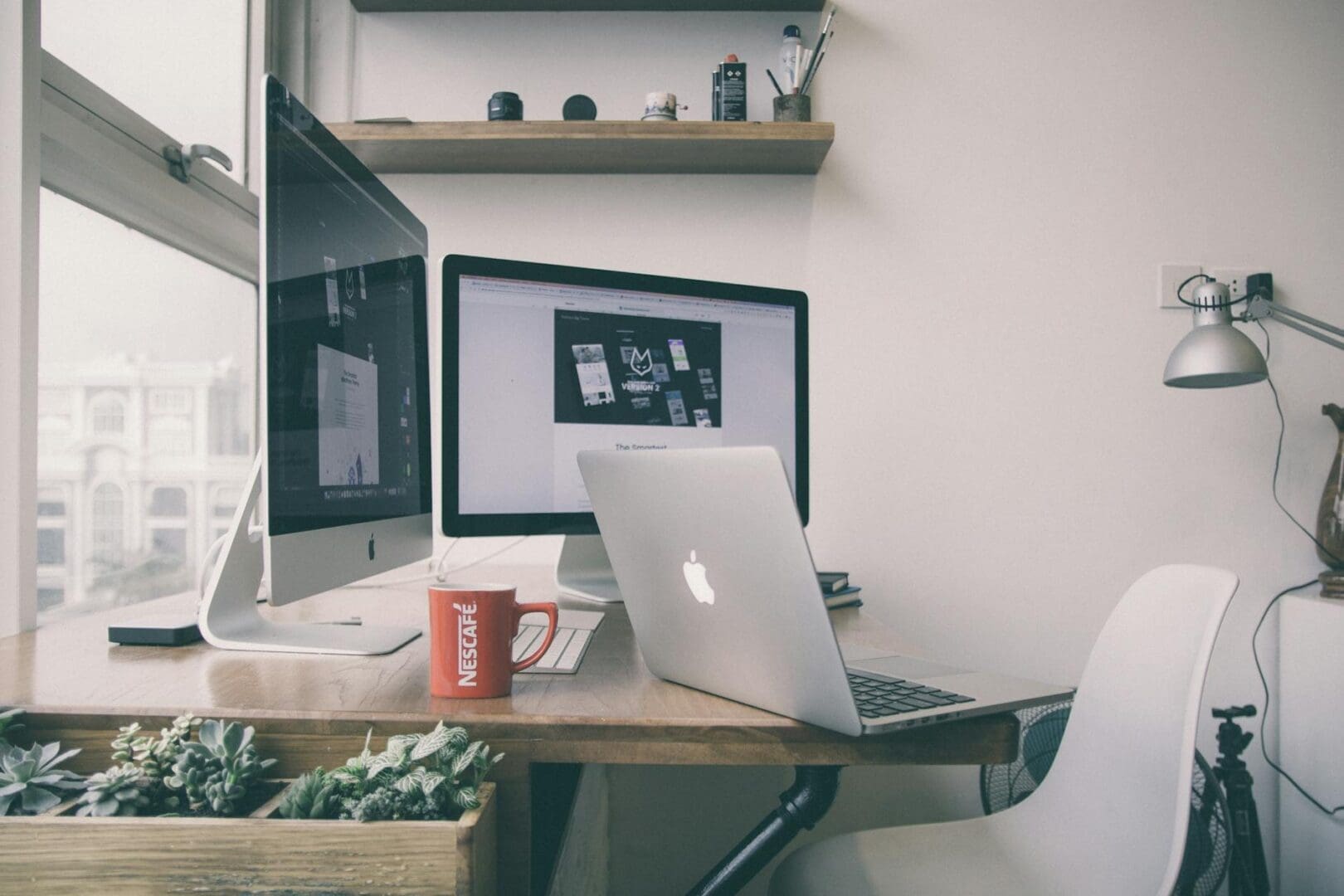
The clinical, all-white office aesthetic is giving way to what designers call “warm minimalism.” Think clean lines and uncluttered surfaces, but in honey oak, walnut, and other natural wood tones rather than sterile white laminate. Desks with visible wood grain pair beautifully with matte black hardware and soft, textured upholstery on task chairs.
Color-wise, we’re seeing more terracotta, sage green, and warm clay tones on accent walls and larger furniture pieces. These earth tones create focus without the harshness of stark white or the heaviness of traditional dark wood offices. Your desk doesn’t need to match your bookshelf anymore—mixing wood tones adds visual interest and makes the space feel collected rather than catalog-ordered.
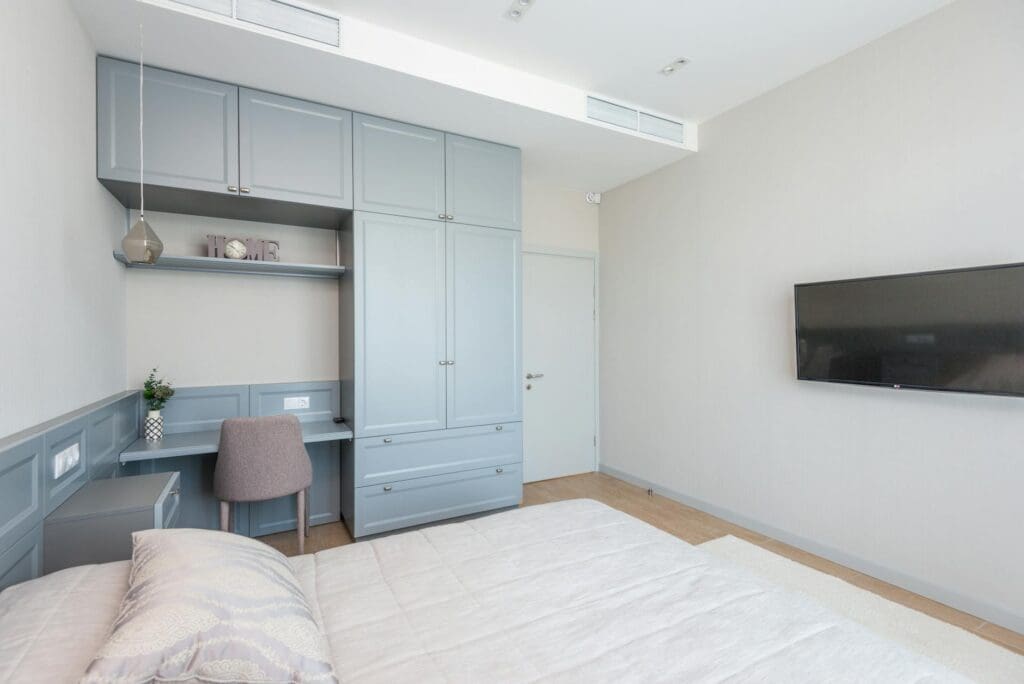
Floating shelves in powder-coated steel or solid wood keep the minimalist vibe while providing practical storage for books and supplies you actually use. Save the closed cabinets for items you want hidden.
Wellness Features Built Into the Design
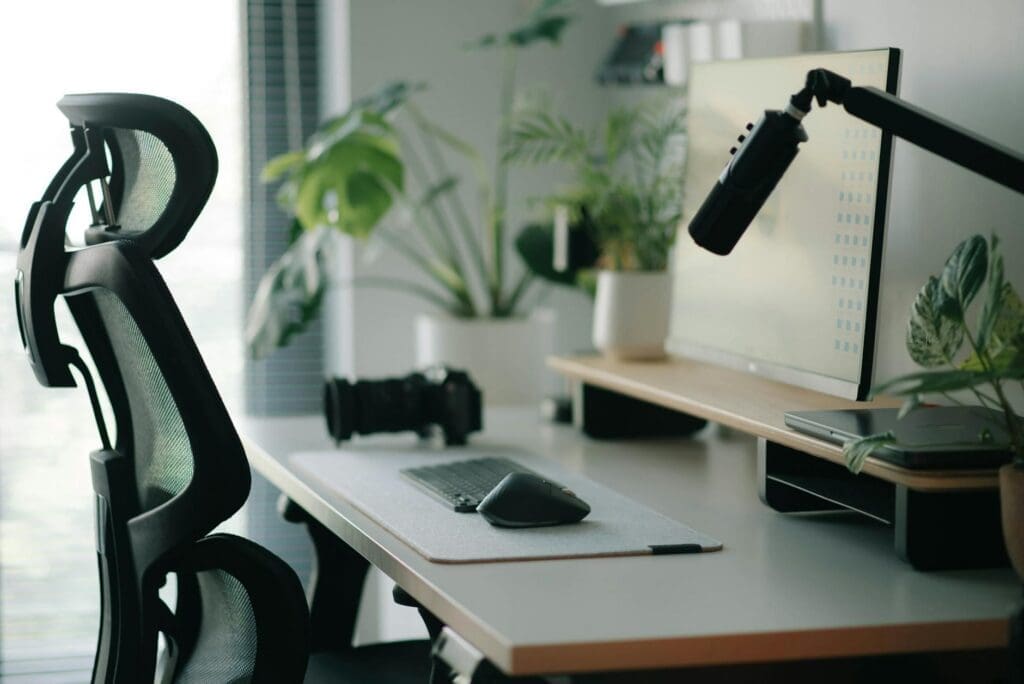
Home offices in 2026 are borrowing ideas from wellness-focused workplace design. Ergonomic chairs are non-negotiable—expect to invest $300 to $800 for something that genuinely supports your back during long work sessions. The difference between a basic task chair and a quality ergonomic one becomes painfully clear after a few months.
Lighting deserves more attention than it typically gets. Overhead lighting alone creates harsh shadows and eye strain. Look for desks with integrated LED task lighting, or add a quality desk lamp with adjustable color temperature. Warmer light (2700K-3000K) works well for afternoon and evening work, while cooler light (4000K-5000K) helps maintain alertness during morning hours.
Incorporate elements that improve air quality and reduce stress. A small bookshelf dedicated to live plants, a compact air purifier tucked beside your desk, or even a desktop fountain can make your space feel more restorative. These aren’t just decorative—studies consistently show that these features reduce fatigue during long work sessions.
Tech Integration That Actually Disappears
The best home offices in 2026 have plenty of technology, but you shouldn’t see all of it. Furniture with integrated wireless charging pads, hidden cable channels, and pop-up power outlets keeps your workspace looking clean while keeping devices charged and connected.
Monitor arms free up valuable desk space and reduce neck strain by positioning screens at proper eye level. Expect to spend $100 to $300 for a quality arm that holds one or two monitors securely. Docking stations built into desk hutches or monitor stands create a true one-cable setup—plug in your laptop and instantly connect to monitors, keyboard, and accessories.
Smart storage solutions include charging drawers for phones and tablets, keeping them accessible but out of sight when you need to focus. Filing cabinets with USB ports built into the top surface are small touches that make daily work smoother.
Creating a home office that works for 2026 means thinking beyond just a desk and chair. The best spaces adapt to how you actually work, support your physical comfort throughout long days, and feel like a natural extension of your home rather than a corporate outpost. Start with quality foundational pieces that address your specific work style, then layer in the elements that make the space uniquely yours.
Your home office deserves better than a jumble of mismatched shelves and that filing cabinet you’ve been meaning to replace. A storage wall unit can transform your workspace from chaotic to composed, giving you dedicated spots for books, supplies, tech equipment, and all those things that currently live in piles. The trick is finding one […]
If you’re drowning in papers, sticky notes, and file folders that haven’t been touched in months, you’re not alone. The promise of a paper-free office isn’t just about going digital—it’s about choosing furniture and storage solutions that support a cleaner, more organized way of working. The right setup makes it easier to maintain that clutter-free […]
Your back is telling you it’s time. After months of working from home in a dining chair or that hand-me-down seat from college, you’re ready to invest in a proper office chair. The good news? You don’t need to spend $800 on a Herman Miller to get real ergonomic support. The under-$300 market is packed […]