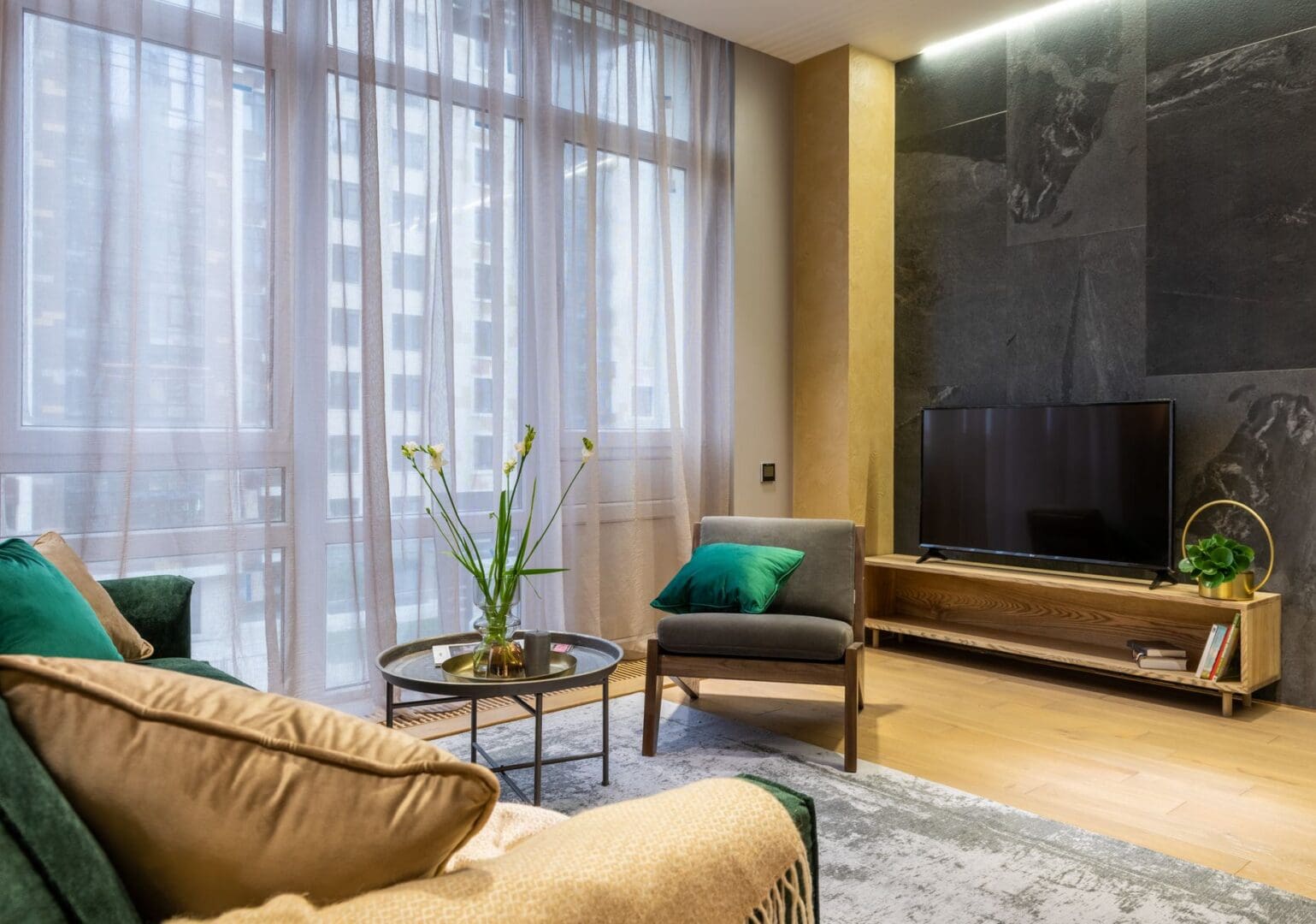
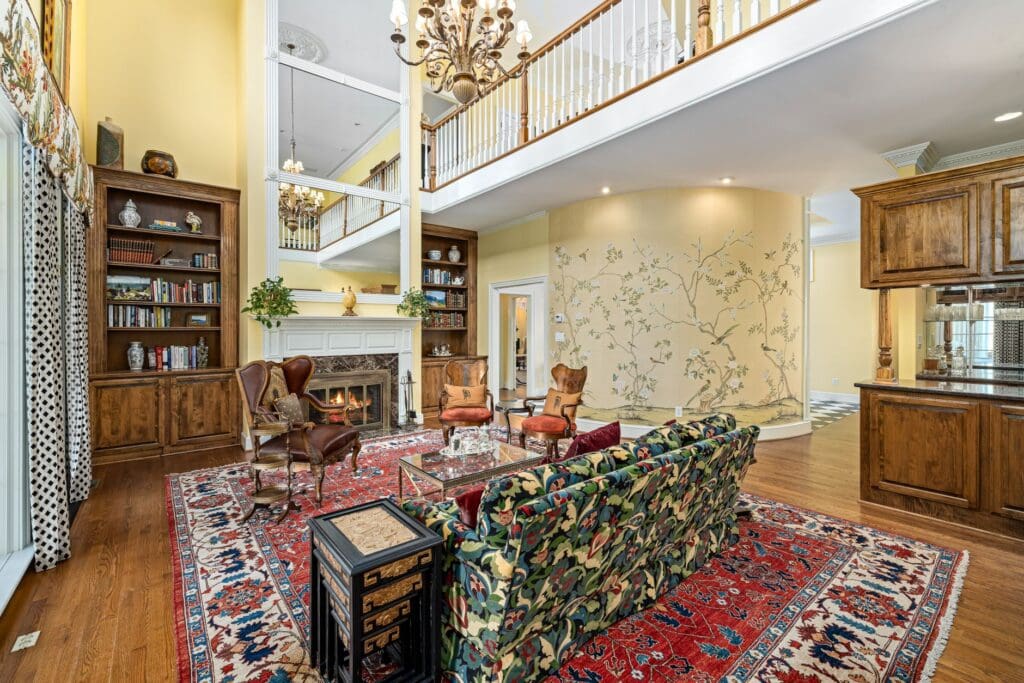
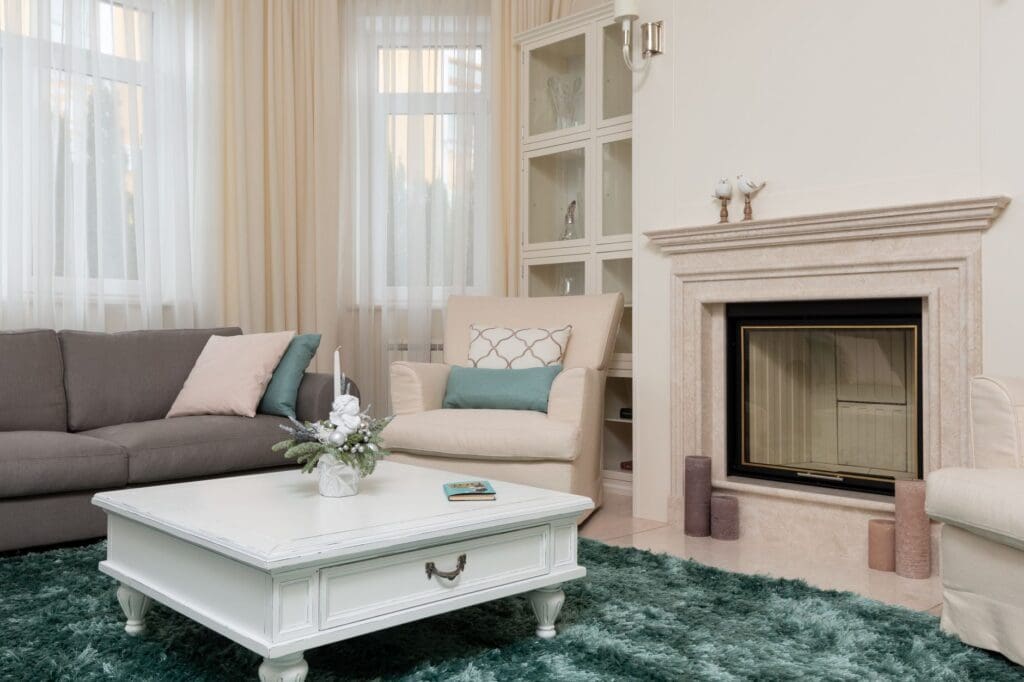
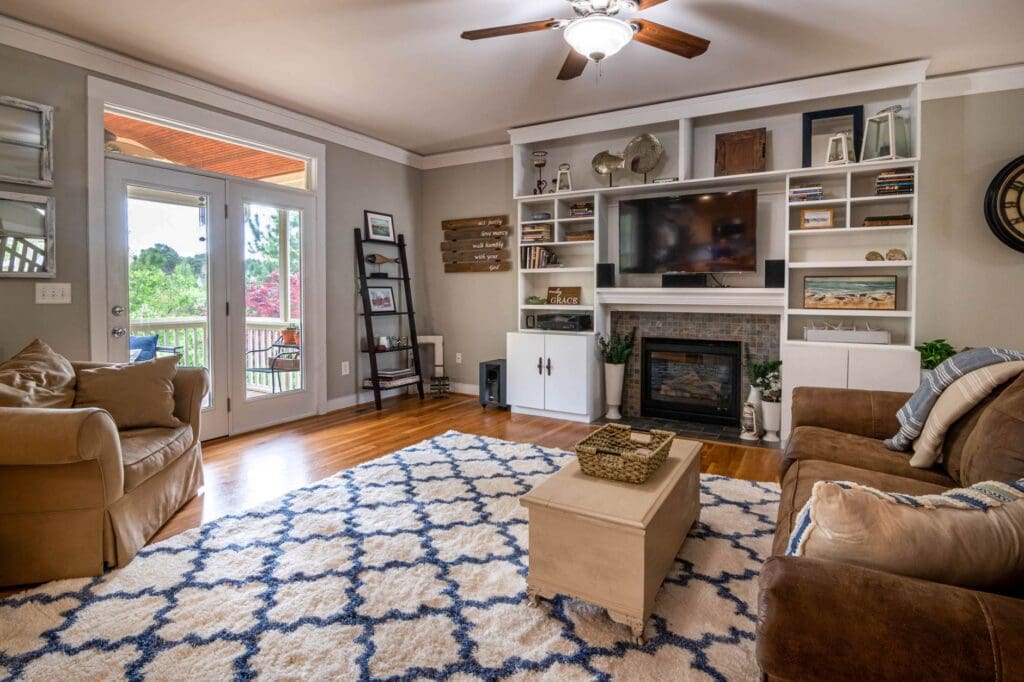
If your TV feels like it’s looming over your living room, or you’re working with a smaller space where every inch counts, a low profile TV stand might be exactly what you need. These sleek, close-to-the-ground pieces keep your viewing height comfortable while creating a more open, uncluttered feel in the room. But choosing the right one involves more than just finding something low—you need to balance proportions, storage needs, and your room’s style.
Getting the Proportions Right
The most common mistake with low profile TV stands is choosing one that’s too narrow for your television. Your stand should be at least as wide as your TV, and ideally 4-8 inches wider on each side. This creates visual balance and ensures your TV doesn’t look like it’s teetering on a too-small base.
Height-wise, low profile stands typically range from 12 to 20 inches tall, compared to standard TV stands at 24-30 inches. The sweet spot for viewing comfort is having the center of your screen at or slightly below eye level when you’re seated. Measure from your couch to determine if a stand in the 12-16 inch range works, or if you need something closer to 18-20 inches. If you have a wall-mounted TV and want a stand purely for components and decor, you have more flexibility with height.
Don’t forget depth. Low profile stands come in depths from 14 to 20 inches. Make sure yours can accommodate your components without overhanging, and that it doesn’t jut too far into your room’s traffic flow.
Materials and Construction Quality
Low profile TV stands come in several material categories, each with different price points and durability:
Engineered wood (MDF or particleboard): The most budget-friendly option at $100-300. Look for quality veneers and sturdy construction—cheaper versions can sag under TV weight over time.
Solid wood: Expect to pay $400-1,200 for walnut, oak, or acacia. These stands age beautifully and handle weight without issue, making them worthwhile investments for heavier TVs.
Metal and glass: Usually in the $250-600 range. Tempered glass shelves and powder-coated steel frames create an airy, modern look while remaining surprisingly sturdy.
Mixed materials: Wood frames with metal legs or accents typically run $300-800 and offer the best of both worlds—warmth with contemporary edge.
Check weight capacity ratings carefully. Your stand needs to support not just your TV, but also any soundbars, gaming consoles, and decorative items you’ll add.
Storage Considerations for Low Profile Designs
The challenge with low profile stands is fitting in adequate storage without adding vertical bulk. Think through what you actually need to store: streaming devices, gaming consoles, remotes, cables, DVDs, or gaming accessories.
Open shelf designs work well if you have minimal equipment and like the uncluttered look, but cables can become visible. Stands with one or two drawers let you hide remotes and smaller items while keeping components on open shelves for ventilation. Fully enclosed cabinets with doors create the cleanest look but require cutouts in the back for cables and proper airflow for electronics.
Cable management features make a huge difference in the finished look. Look for stands with cord access holes, channels, or clips. Some higher-end models include built-in power strips or USB ports, which can justify a slightly higher price point if they eliminate visible power strips.
Style That Complements Your Space
Low profile stands naturally lean modern or contemporary, but you have options across different aesthetics. Mid-century modern designs with tapered legs and warm wood tones ($350-700) work in both retro and current spaces. Scandinavian-inspired pieces with light woods and clean lines ($300-600) keep rooms feeling airy. Industrial styles featuring metal frames and reclaimed wood ($400-800) add character to lofts or eclectic rooms.
For traditional or transitional spaces, look for low profile stands with subtle details like inset panels, brushed brass hardware, or classic wood finishes. These bridge the gap between contemporary form and timeless style.
Color matters too. Light woods and white finishes make small rooms feel larger, while dark woods and black finishes anchor larger spaces and hide dust better.
Choosing a low profile TV stand comes down to measuring carefully, honestly assessing your storage needs, and finding a piece that balances function with your room’s aesthetic. Take your time comparing options within your budget range, and remember that a well-chosen TV stand becomes a foundational piece you’ll use daily for years to come.
You love the idea of a Persian rug—the craftsmanship, the history, the way it instantly elevates a room. But you’re worried it might look too traditional or clash with your clean-lined sofa and minimalist aesthetic. Here’s the thing: Persian rugs aren’t just for ornate, old-world interiors. When chosen thoughtfully, they bring exactly the kind of […]
Shag rugs have come a long way since their 1970s heyday. Today’s versions offer that same sink-your-toes-in comfort without the avocado green and harvest gold baggage. But here’s the thing: buying a shag rug isn’t quite like picking out other area rugs. The extra pile height means more considerations around maintenance, placement, and materials. Get […]
You’ve measured your space, browsed hundreds of patterns, and now you’re stuck on the most practical question: should you get the 5×8 or spring for the 8×10? It’s not just about numbers—choosing the wrong rug size can throw off your entire room, making furniture look awkward or the space feel disconnected. Let’s walk through exactly […]