If you’ve ever found yourself squinting at your screen at 3 PM or dealing with a headache after a long work session, your lighting might be the culprit. The right desk lamp doesn’t just illuminate your workspace—it can genuinely reduce eye strain, improve your focus, and make those long stretches at your desk far more comfortable. Here’s what actually matters when you’re shopping for a lamp that works as hard as you do.
Brightness and Color Temperature: The Science Behind Better Focus
The two most important features in any productivity-focused desk lamp are adjustable brightness and color temperature. Look for lamps that offer at least 400-600 lumens for adequate task lighting, though the ability to dim is equally crucial since you’ll want different levels throughout the day.
Color temperature, measured in Kelvin, dramatically affects how alert you feel. Cooler light (5000-6500K) mimics daylight and helps you stay focused during morning and midday work sessions. Warmer light (2700-3000K) is easier on your eyes for evening work and won’t disrupt your sleep cycle. The best productivity lamps let you adjust between these ranges—budget options start around $30-50, while premium models with smooth color transitions run $100-200.
LED desk lamps are your best bet here. They last significantly longer than traditional bulbs, stay cool to the touch, and give you precise control over both brightness and color without the flickering that causes eye fatigue.
Adjustability and Positioning: Getting Light Exactly Where You Need It
A lamp that can’t move with your tasks isn’t doing its job. Look for models with articulating arms that let you direct light precisely where you’re working—whether that’s your keyboard, a notebook, or documents spread across your desk.
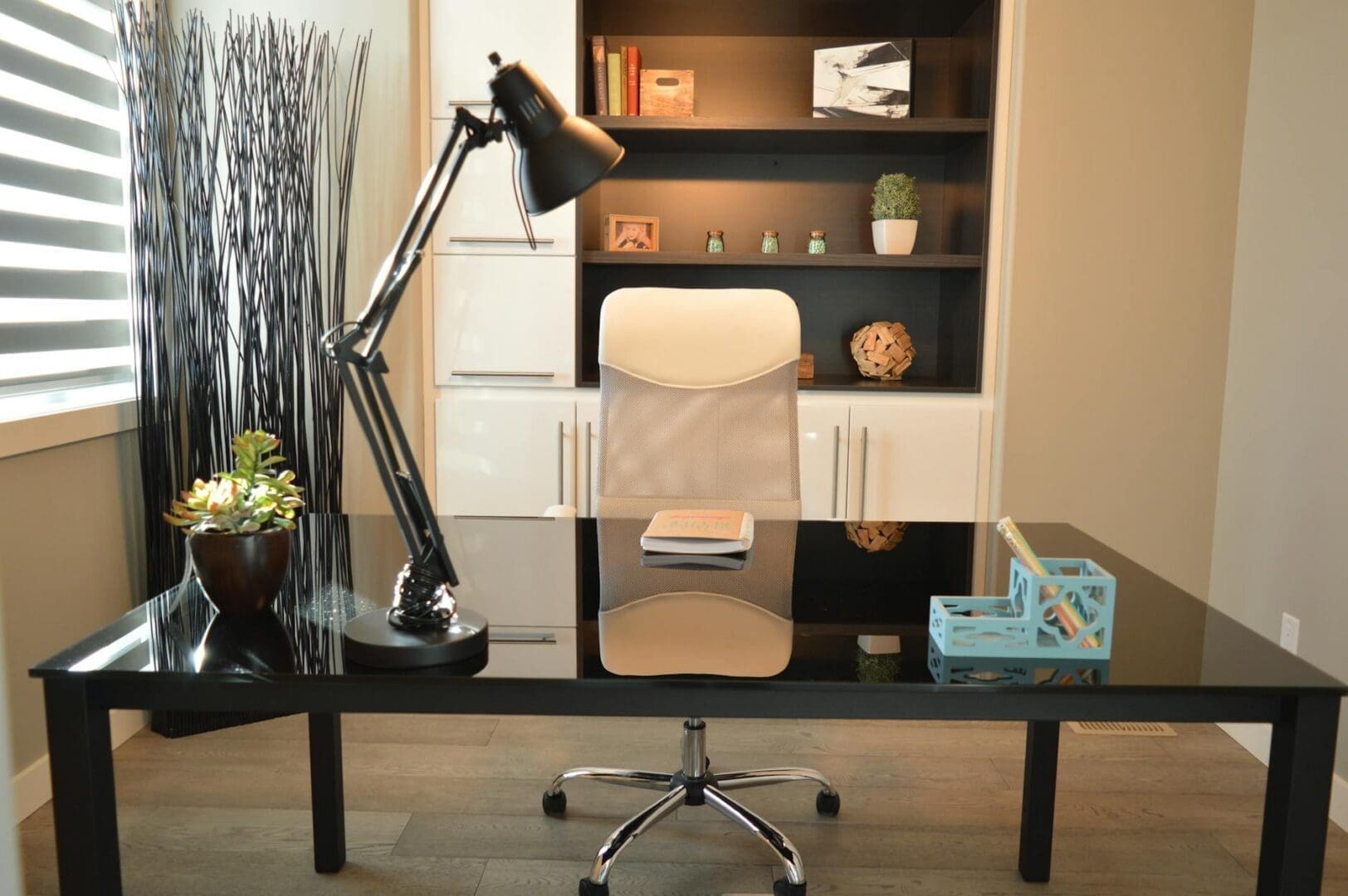
Swing-arm lamps with multiple pivot points offer the most flexibility, though gooseneck designs provide a budget-friendly alternative (typically $25-60). The key is ensuring the lamp can reach across your workspace without creating shadows or glare on your screen. Clamp-style lamps work beautifully for smaller desks where surface space is premium, while weighted bases suit larger work areas.
Height matters too. Your lamp should position the light source at least 15 inches above your desk surface to reduce harsh shadows and provide even coverage across your work area.
Smart Features Worth Considering
While not essential, certain features can genuinely enhance your productivity rather than just adding unnecessary complexity. Auto-dimming sensors that adjust brightness based on ambient light keep your workspace consistently lit throughout the day—particularly useful if your desk sits near windows.
Built-in timers and memory functions let you save preferred settings for different tasks. If you spend mornings on detailed work and afternoons in video calls, being able to switch between saved lighting profiles with one touch is more convenient than it might sound.
USB charging ports integrated into the lamp base keep your phone or tablet charged without eating up desk outlets, though this shouldn’t be a primary decision factor. These combination features typically add $20-40 to the price, starting around $60 for basic versions and reaching $150+ for premium designs.
Design and Desk Space Considerations
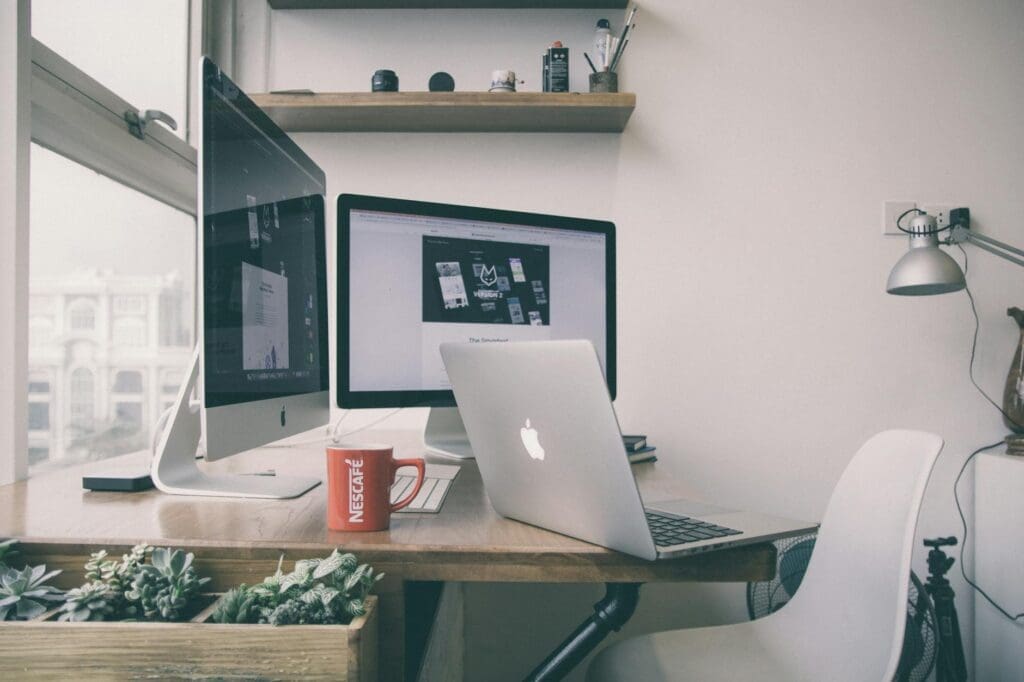
Your lamp needs to fit both your desk footprint and your aesthetic without compromising function. Minimalist designs with slim profiles work best for compact workspaces—think architect-style lamps or compact LED panels that take up minimal surface area.
If your desk is your home’s most visible workspace, you’ll want something that complements your decor when not in use. Matte black and brushed metal finishes blend with most office styles, while warmer wood accents suit traditional or mid-century spaces. Expect to pay $40-80 for well-designed basic models, and $100-250 for lamps that double as desk sculptures.
Consider your desk material too—clamp lamps need an edge to grip (and can mark softer woods), while weighted bases require dedicated surface space but work anywhere.
The right desk lamp makes a noticeable difference in how you feel during and after work sessions. Focus on adjustable brightness and color temperature first, then prioritize the flexibility to position light exactly where you need it. Smart features are nice additions if they solve specific problems in your workflow, but solid fundamentals matter more than bells and whistles. Take stock of your desk setup, typical work hours, and how you actually use your space—the perfect lamp for you is the one that disappears into your routine while quietly making everything easier.
Your home office deserves better than a jumble of mismatched shelves and that filing cabinet you’ve been meaning to replace. A storage wall unit can transform your workspace from chaotic to composed, giving you dedicated spots for books, supplies, tech equipment, and all those things that currently live in piles. The trick is finding one […]
If you’re drowning in papers, sticky notes, and file folders that haven’t been touched in months, you’re not alone. The promise of a paper-free office isn’t just about going digital—it’s about choosing furniture and storage solutions that support a cleaner, more organized way of working. The right setup makes it easier to maintain that clutter-free […]
Your back is telling you it’s time. After months of working from home in a dining chair or that hand-me-down seat from college, you’re ready to invest in a proper office chair. The good news? You don’t need to spend $800 on a Herman Miller to get real ergonomic support. The under-$300 market is packed […]