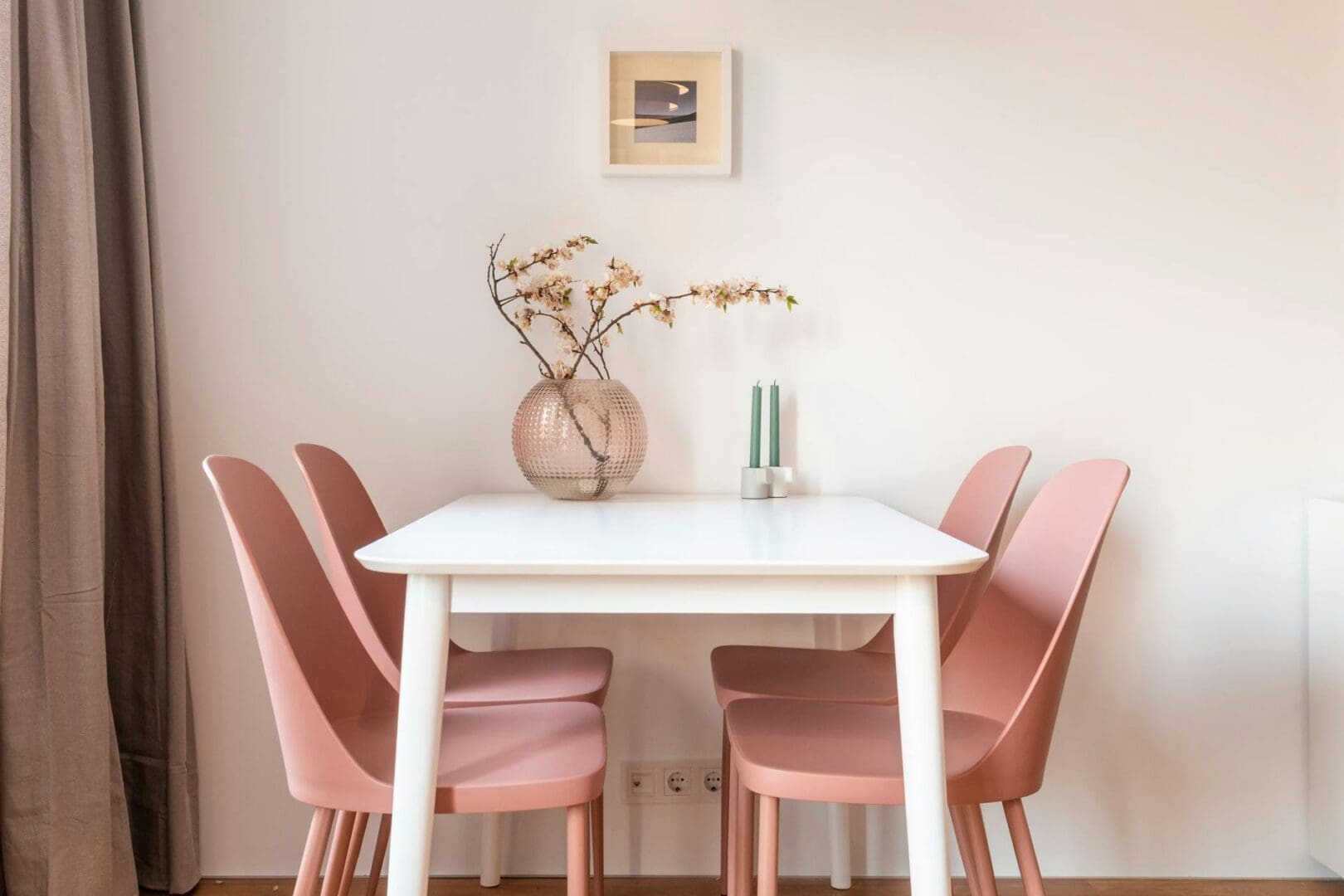
There’s nothing quite like ordering the perfect dining table online, only to have it arrive and completely overwhelm your space—or worse, look lost in the middle of the room. Getting the measurements right isn’t just about whether the table will physically fit through your door. It’s about creating a dining area that feels comfortable, functional, and proportioned just right for how you actually live.
Let’s walk through exactly what you need to measure and consider before you click “add to cart.”
Start With Your Room Dimensions
Grab your tape measure and write down the length and width of your dining area. If you have an open floor plan, measure the space you’re mentally dedicating to dining—not the entire room. This might be defined by a rug, the area between your kitchen island and living room, or simply where you envision the table living.
Here’s the golden rule: leave at least 36 inches of clearance on all sides of the table. This gives people enough room to push their chairs back and stand up without doing an awkward shimmy or blocking a walkway. If your dining area is also a major traffic path to other rooms, bump that up to 42-48 inches on the traffic side.
For example, if your dining area is 12 feet by 10 feet, subtract 6 feet from the length (3 feet on each end) and 6 feet from the width. That means your maximum table size should be around 6 feet long by 4 feet wide. This is where most people discover they need a smaller table than they imagined—and that’s okay.
Calculate the Right Table Size for Your Seating Needs
Now think about how many people you need to seat regularly versus occasionally. A good guideline is to allow 24 inches of table width per person for elbow room. Some people squeeze by with 22 inches, but 24 inches lets everyone eat comfortably without playing footsie under the table.
Here’s a quick reference for rectangular tables:
48-inch table: seats 4 people comfortably
60-inch table: seats 6 people
72-inch table: seats 6-8 people
84-96-inch table: seats 8-10 people
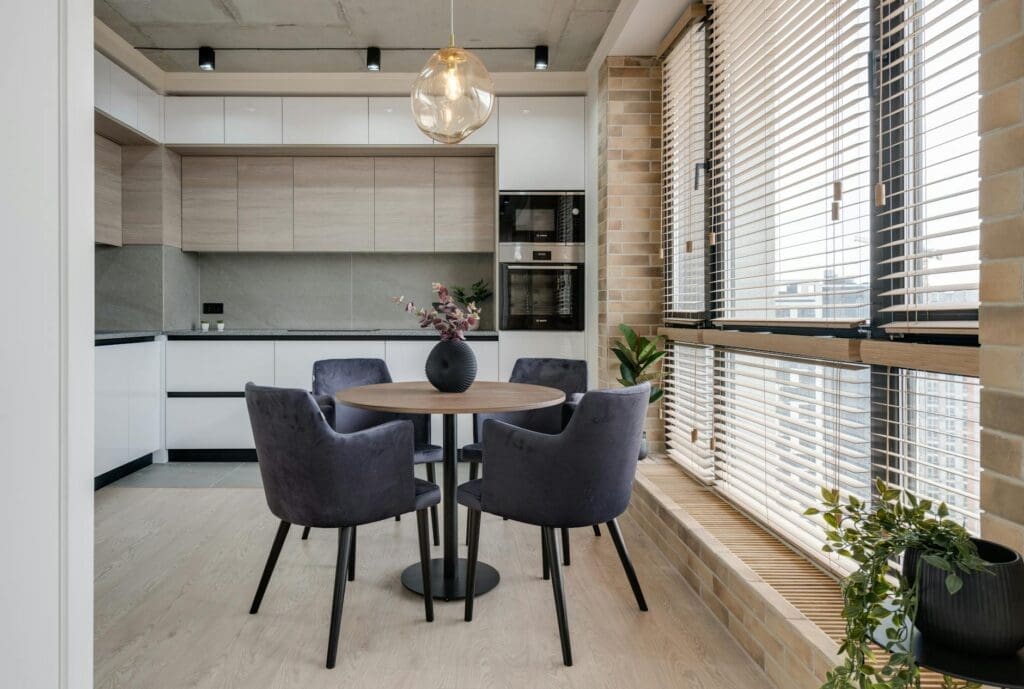
Round tables work differently. A 36-inch round table seats four snugly, a 48-inch seats 4-6, and a 60-inch round can accommodate 6-8 people. Round tables are excellent for smaller square rooms since they eliminate corners and make conversation easier, but they’re not always the most space-efficient option if you’re tight on square footage.
If you love hosting but have limited daily space, consider an extendable table. Just make sure you measure the table at its full extension and verify you’ll still have that crucial 36-inch clearance when it’s expanded.
Don’t Forget Table Height and Leg Placement
Standard dining tables sit at 28-30 inches high, which pairs with chairs that are 18-20 inches from floor to seat. This combination works for most people, but if anyone in your household is particularly tall or uses a wheelchair, you might need to adjust.
Pay attention to the table’s base and leg design, especially if you’re ordering online. Pedestal bases offer maximum legroom and flexible seating, while four-leg tables can sometimes trap corner seats if the legs are positioned at the very edges. Trestle-style bases look beautiful but can limit where people sit comfortably. If possible, check the measurements between the legs—you want at least 24 inches of clearance for each seat.
Consider Your Chairs and Other Furniture
Measure your chairs too, or the ones you’re planning to buy. Make sure they can slide completely under the table when not in use—this matters more than you’d think for keeping walkways clear. Armchairs typically need a few extra inches of table height to fit underneath comfortably.
Also take stock of other furniture in the room. Will your buffet or credenza doors open fully with the table in place? Can you still access your windows or patio doors? Walk through the space mentally (or literally, using painter’s tape on the floor to mark the table outline) to spot any potential conflicts.
Getting your dining table measurements right means you’ll actually enjoy using the space instead of constantly bumping into furniture or feeling cramped. Take the extra ten minutes to measure carefully now, and you’ll thank yourself every time you sit down to eat. Once you know your numbers, you can shop with confidence knowing exactly which tables will work beautifully in your home.
Did You Know? The Declaration of Independence Was Likely Written in a Windsor Chair As America celebrates 250 years of independence, it’s worth looking at one of the quieter witnesses to that history: the humble Windsor chair. Thomas Jefferson is said to have drafted the Declaration of Independence while seated in an unusual revolving Windsor […]
Shopping for a dining table when you have a family of six means you need something that works for Tuesday night homework sessions, weekend pancake breakfasts, and holiday dinners with grandparents—all without taking over your entire dining room. The right table makes family life easier. The wrong one? You’ll feel it every single day. Let’s […]
If you’re working with a compact dining area, you’ve probably already discovered that square and rectangular tables can feel like furniture Tetris. Round dining tables are often the smartest solution for small spaces—they eliminate sharp corners that eat up valuable square footage, create better traffic flow, and somehow make a room feel more spacious even […]