You’ve narrowed down your dining table search to size and style, but there’s one more decision that’ll affect how your table actually functions in daily life: the base. Pedestal tables and four-leg tables each have distinct advantages, and the “better” choice really depends on how you use your dining space and what matters most to your household.
Seating Flexibility and Legroom
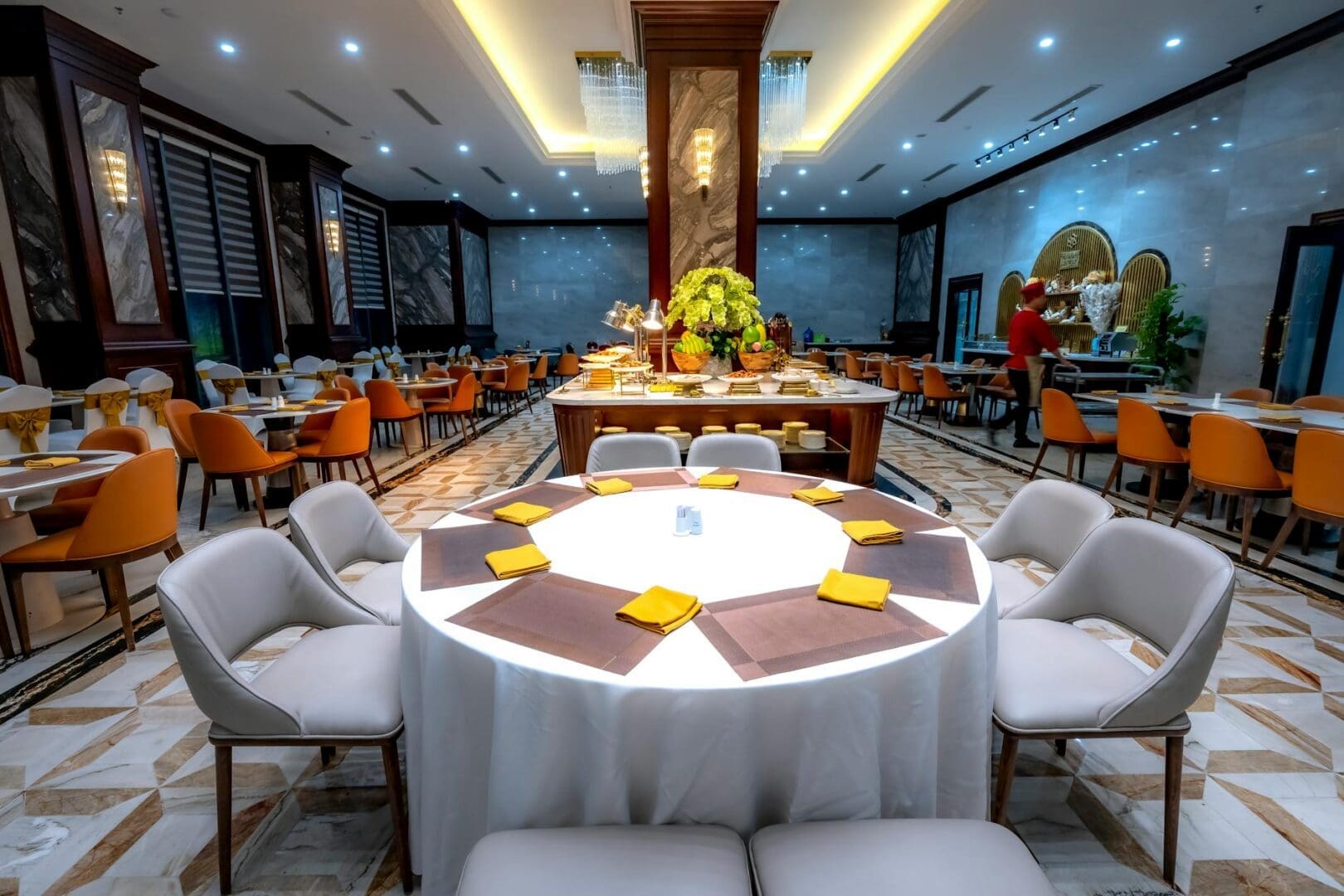
This is where pedestal tables shine. With a single central support, everyone at the table gets unobstructed legroom—no awkward straddling of table legs or one unlucky guest stuck at the corner. If you regularly host dinners and need to squeeze in an extra chair or two, a pedestal base makes it possible without anyone feeling cramped.
Four-leg tables, on the other hand, work best when you have consistent seating arrangements. The corner seats can feel a bit tight, and you’ll want to position chairs between the legs rather than directly at them. That said, if you typically seat the same number of people and don’t need maximum flexibility, this won’t be a dealbreaker.
Round and oval pedestal tables are particularly great for conversation flow, since there’s no “head” of the table and everyone can see each other easily. Rectangular four-leg tables create a more traditional dining setup that some families prefer, especially for formal occasions.
Stability and Durability Considerations
Four-leg tables have physics on their side. With weight distributed across four points, they’re inherently stable and can support heavier tabletops without wobbling. This makes them ideal for solid wood slabs, thick marble, or large extension tables. You’ll find four-leg designs in the $400-$3,000+ range, with stability consistent across price points.
Pedestal tables require more careful construction. A quality pedestal base needs substantial weight at the bottom and solid joinery where the column meets the top. Budget pedestal tables under $500 sometimes skimp here, leading to wobbling over time. If you’re going with a pedestal, look for a wide, heavy base—ideally with a cross-brace design or weighted platform. Mid-range options ($800-$1,500) typically offer better engineering, while splurge-worthy pedestal tables ($2,000+) often feature reinforced metal cores or stone bases.
Extension pedestal tables deserve special mention. They’re trickier to engineer than four-leg extensions, so make sure the mechanism is robust and the base can handle the extended weight without tipping.
Style and Visual Weight in Your Space
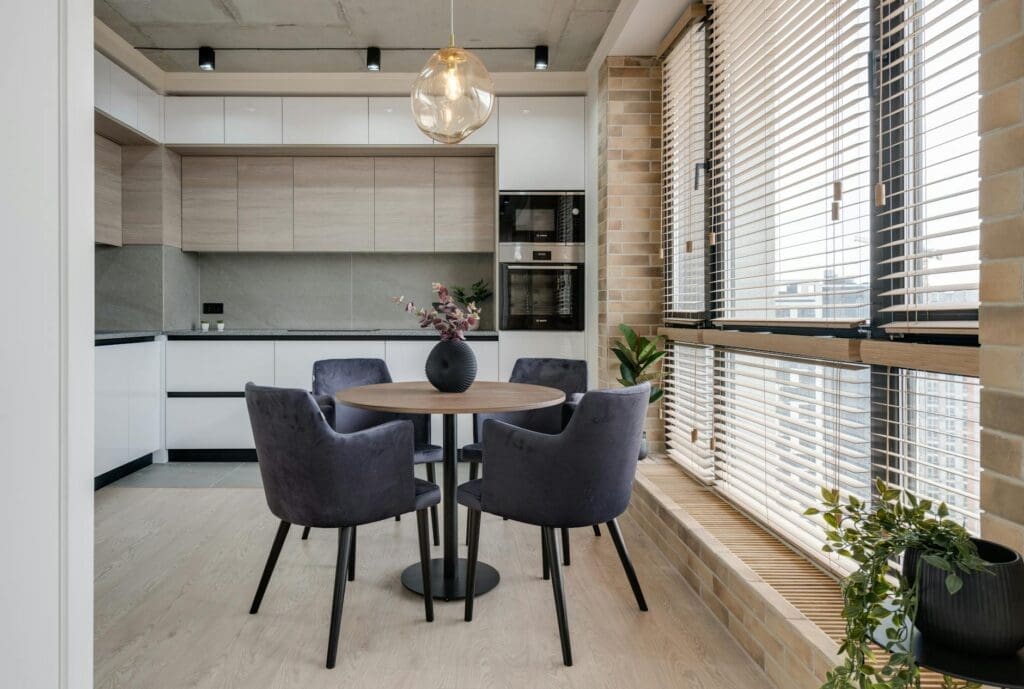
Pedestal tables have a lighter visual footprint, which makes them perfect for smaller dining rooms or open-concept spaces where you don’t want furniture to feel heavy. The single base creates clean sightlines underneath, making your floor space feel larger. They lean traditional in turned wood styles but can look sleek and modern in brushed metal or concrete.
Four-leg tables can go either direction style-wise. Slim, tapered legs in mid-century modern designs feel airy and understated, while chunky farmhouse legs or ornate traditional styles make a statement. The key difference is that four-leg tables always have more visual structure, which can anchor a dining room beautifully—or overwhelm a tight space.
Consider your other furniture too. If you have upholstered chairs with visible legs, four-leg tables create a cohesive, leggy look. Solid, skirted chairs often pair better with pedestal bases to avoid visual clutter.
Practical Everyday Living
Think about your actual daily use. Families with young kids often prefer four-leg tables—they’re sturdier when little ones bump into them, and there’s no single center post for kids to swing around. Four legs also mean you can push chairs fully underneath from any side, keeping pathways clear.
Pedestal tables are easier to clean underneath (no navigating around four legs with a vacuum), and they work beautifully in breakfast nooks or smaller eat-in kitchens where space efficiency matters. They’re also easier to move since you can grab the base and tilt without worrying about balance.
For spaces that double as homework stations or work-from-home spots, four-leg tables often provide more surface support at the edges—helpful when someone’s leaning over paperwork or a laptop.
Both styles have earned their place in homes for good reasons. If flexibility and legroom top your list, and you’re willing to invest in quality construction, a pedestal table will serve you beautifully. If you prioritize rock-solid stability, have a larger space, or prefer traditional dining arrangements, four legs won’t disappoint. Take measurements, think about your typical seating needs, and trust your gut on what feels right for how your family actually lives.
Did You Know? The Declaration of Independence Was Likely Written in a Windsor Chair As America celebrates 250 years of independence, it’s worth looking at one of the quieter witnesses to that history: the humble Windsor chair. Thomas Jefferson is said to have drafted the Declaration of Independence while seated in an unusual revolving Windsor […]
Shopping for a dining table when you have a family of six means you need something that works for Tuesday night homework sessions, weekend pancake breakfasts, and holiday dinners with grandparents—all without taking over your entire dining room. The right table makes family life easier. The wrong one? You’ll feel it every single day. Let’s […]
If you’re working with a compact dining area, you’ve probably already discovered that square and rectangular tables can feel like furniture Tetris. Round dining tables are often the smartest solution for small spaces—they eliminate sharp corners that eat up valuable square footage, create better traffic flow, and somehow make a room feel more spacious even […]