You’re ready to invest in a quality bed frame, but here’s the question keeping you up at night: should you go with metal or wood? Both promise durability, but they age differently, handle weight differently, and require different levels of care. If you’re looking for a frame that’ll last through moves, mattress upgrades, and years of daily use, understanding how these materials actually hold up matters more than any marketing claim.
The Lifespan Reality: What to Expect from Each Material
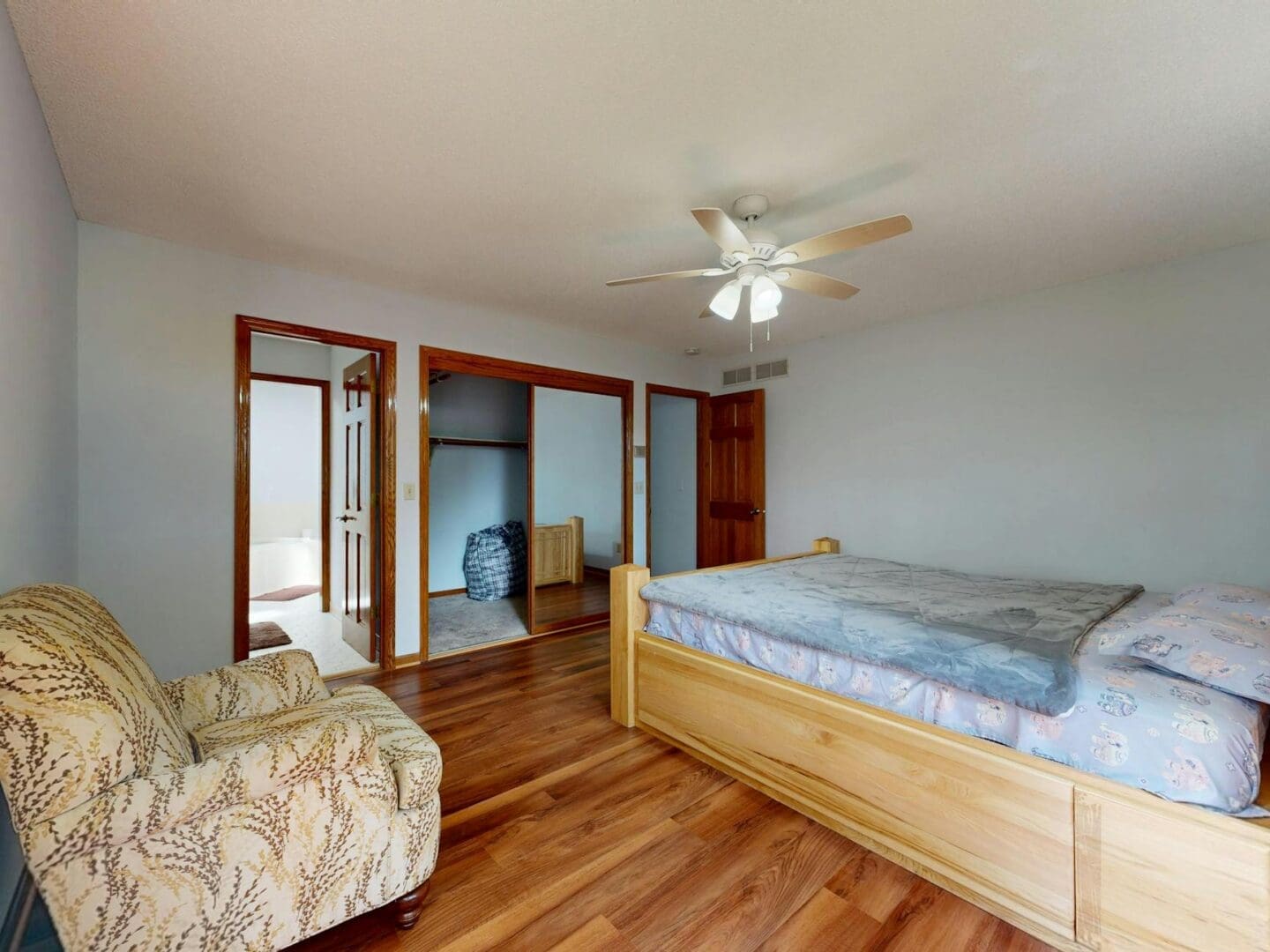
A solid wood bed frame can easily last 15-25 years with proper care, while quality metal frames typically hold strong for 10-15 years. But here’s where it gets interesting—the specific type of material makes a huge difference.
Hardwood frames made from oak, maple, or walnut can genuinely become family heirlooms. They resist warping and can be refinished multiple times throughout their life. Softwood frames like pine offer decent longevity at 10-15 years but are more prone to dents and scratches. You’ll find hardwood frames starting around $400-600 for mid-range options, while pine frames typically run $200-400.
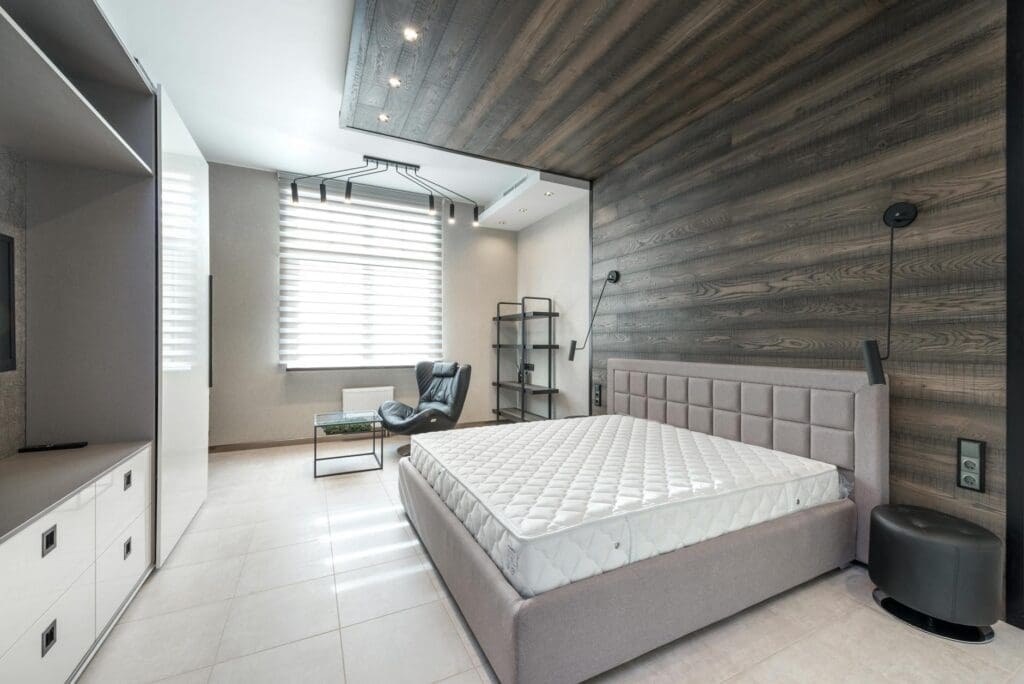
Metal frames made from steel or wrought iron deliver impressive strength and rarely warp or crack. The weak point? Welds and joints can loosen over time, and cheaper powder coating may chip, leading to rust. Steel platform frames typically start around $150-300 for budget options, while heavy-duty wrought iron frames run $400-800.
Where Each Material Actually Fails (and How to Prevent It)
Wood bed frames don’t typically fail catastrophically—they gradually show their age. You’ll notice loosening joints first, especially if the frame uses dowels or simple screws rather than mortise-and-tenon joinery. Wood also responds to humidity changes by expanding and contracting, which can cause squeaking. The fix is usually straightforward: tighten hardware annually and keep your bedroom’s humidity between 30-50%.
Metal frames face different challenges. The most common issue is joint fatigue where the frame sections connect. Those satisfying clicks when you first assemble the frame? They gradually become less secure. Corrosion is another concern, particularly in humid climates or if you’re using the frame in a basement bedroom. Look for frames with reinforced corner brackets and rust-resistant finishes.
Weight capacity matters more than most people realize. A quality metal platform frame handles 1,200-3,000 pounds, while solid wood frames typically support 500-1,500 pounds depending on construction. If you’re shopping for a king-size frame or have multiple sleepers, verify the weight rating—not just for the mattress, but for realistic use.
Maintenance Requirements: The Long-Term Commitment
Wood frames ask more from you over time, but they reward that effort. Plan to:
Tighten bolts and screws every 6-12 months as wood naturally shifts
Apply wood polish or conditioner annually to prevent drying and cracking
Check for signs of pest damage if you live in an area prone to wood-boring insects
Refinish or touch up stain every 8-10 years to maintain appearance
Metal frames are refreshingly low-maintenance. A quick wipe-down with a damp cloth handles most cleaning, and you’ll only need to check joint stability occasionally. If rust appears, catch it early with a wire brush and touch-up paint. The simplicity here is real—metal frames are the practical choice if you prefer set-it-and-forget-it furniture.
Making the Choice Based on Your Situation
Choose wood if you’re planning to stay put for years, appreciate furniture that develops character over time, and don’t mind occasional maintenance. The upfront cost is higher, but you’re investing in something that can adapt to style changes through refinishing. Wood also offers unmatched warmth and works beautifully in traditional, farmhouse, and mid-century modern bedrooms.
Go with metal if you move frequently, want minimal upkeep, or need maximum weight capacity. Metal frames ship lighter, assemble faster, and survive multiple moves better than wood. They’re particularly smart for guest rooms, kids’ rooms, or rentals where durability trumps aesthetics.
The “which lasts longer” question doesn’t have a universal answer—it depends on quality, care, and your specific needs. A $200 pine frame won’t outlast a $500 steel platform frame, but a $800 hardwood frame will likely outlive both. Focus less on the material and more on construction quality, joinery methods, and whether you’ll actually maintain it. That’s what determines whether your bed frame lasts five years or twenty-five.
Shopping for a bunk bed mattress isn’t quite the same as choosing one for a standard bed frame. The biggest difference? Safety requirements. The wrong mattress thickness can create a dangerous gap between the sleeping surface and the guardrails, and not every mattress type holds up well on a slatted bunk bed platform. Here’s what […]
That empty corner in your bedroom has potential. You walk past it every day thinking it could be something more—a spot to read before bed, sip your morning coffee, or just escape for a few quiet minutes. A reading chair can transform that awkward space into your favorite corner of the house, but only if […]
If you’ve been tossing and turning on an old mattress, you already know it’s time for a change. But walk into any mattress store or browse online, and you’re immediately hit with the big question: memory foam or innerspring? Both have passionate fans, and honestly, both can give you great sleep. The real answer depends […]