If you weigh over 230 pounds, you’ve probably experienced the frustration of a mattress that sags within a year, leaves you waking up with back pain, or feels like you’re sleeping in a hammock. The truth is, most standard mattresses aren’t built with heavier bodies in mind. But the right mattress can give you the support and durability you need for genuinely restful sleep—you just need to know what to look for.
Support and Firmness: Why They Matter More
Here’s the thing about firmness: heavier bodies compress mattresses more, so a medium-firm mattress that feels perfect in the showroom might feel too soft after a few nights at home. Most people over 230 pounds need a mattress on the firmer side—think medium-firm to extra-firm on the scale.
But firmness alone isn’t enough. You need solid support underneath. Look for mattresses with:
High-density foam bases (at least 2.0 PCF for polyfoam, 5.0+ PCF for memory foam)
Individually wrapped coils with higher coil counts (at least 800 in a queen)
Reinforced edge support so you can use the entire surface without roll-off
Thicker comfort layers (3-4 inches) that won’t bottom out under pressure
The best mattresses for heavier bodies typically fall in the 12-14 inch thickness range. Anything thinner than 10 inches likely won’t provide adequate support long-term.
Materials That Actually Hold Up
Durability is where many mattresses fail heavier sleepers. That all-foam mattress might feel great initially, but low-quality foams break down fast under more weight.
Hybrid mattresses—combining pocketed coils with foam or latex layers—tend to perform best. The coils provide robust, responsive support that doesn’t compress over time, while the top layers offer pressure relief. Look for tempered steel coils with lower gauges (thicker wire), typically 12.5-14 gauge for better longevity.
Latex mattresses are another excellent option. Natural latex is incredibly durable and supportive, maintaining its structure for 10-15 years. It sleeps cooler than memory foam, too. Just make sure you’re getting high-quality Talalay or Dunlop latex, not blended formulations that won’t last.
If you prefer memory foam, seek out high-density options (5.0 PCF or higher) specifically marketed for heavier individuals. Budget memory foam mattresses under $500 rarely have the density needed for proper support and will likely sag within two years.
Cooling Features You’ll Actually Appreciate
Heavier bodies generate more body heat and sink deeper into mattresses, which can trap warmth. If you sleep hot, cooling features aren’t just nice-to-have—they’re essential.
The best cooling technologies include gel-infused foams, phase-change materials, and breathable covers made from Tencel or organic cotton. Innerspring and hybrid mattresses naturally sleep cooler than all-foam options because air circulates through the coil system.
Avoid thick pillow tops and quilted covers with excess padding—they act like insulators. Instead, look for streamlined designs with moisture-wicking fabrics.
What to Expect Price-Wise
Quality mattresses built for heavier sleepers require better materials and construction, which means they cost more than standard options. Here’s what different price ranges typically offer:
Budget picks ($600-$1,000) might work if you choose carefully—look for basic hybrid designs with good coil systems. Just understand that longevity might be 5-7 years rather than 10.
Mid-range options ($1,000-$2,000) give you better materials, higher coil counts, premium foams, and improved edge support. This is the sweet spot for most shoppers seeking durability and comfort.
Premium mattresses ($2,000-$3,500) offer natural latex, advanced cooling systems, reinforced foundations, and extended warranties. If you can swing it, these provide the best long-term value when you calculate cost per year of comfortable sleep.
Whatever your budget, prioritize the foundation of the mattress—the support core—over fancy top layers. A mattress with excellent underlying support and modest comfort layers will outperform a poorly constructed mattress with luxurious top padding every time.
Finding the right mattress when you’re a heavier sleeper means looking beyond marketing claims and focusing on construction quality, material density, and proper support. Take your time reading specifications, check warranty coverage for sagging (look for at least 1.5 inches covered), and don’t be swayed by universal “medium-firm” recommendations that weren’t designed with your body in mind. The right mattress is out there—one that will support you comfortably for years to come.
Shopping for a bunk bed mattress isn’t quite the same as choosing one for a standard bed frame. The biggest difference? Safety requirements. The wrong mattress thickness can create a dangerous gap between the sleeping surface and the guardrails, and not every mattress type holds up well on a slatted bunk bed platform. Here’s what […]
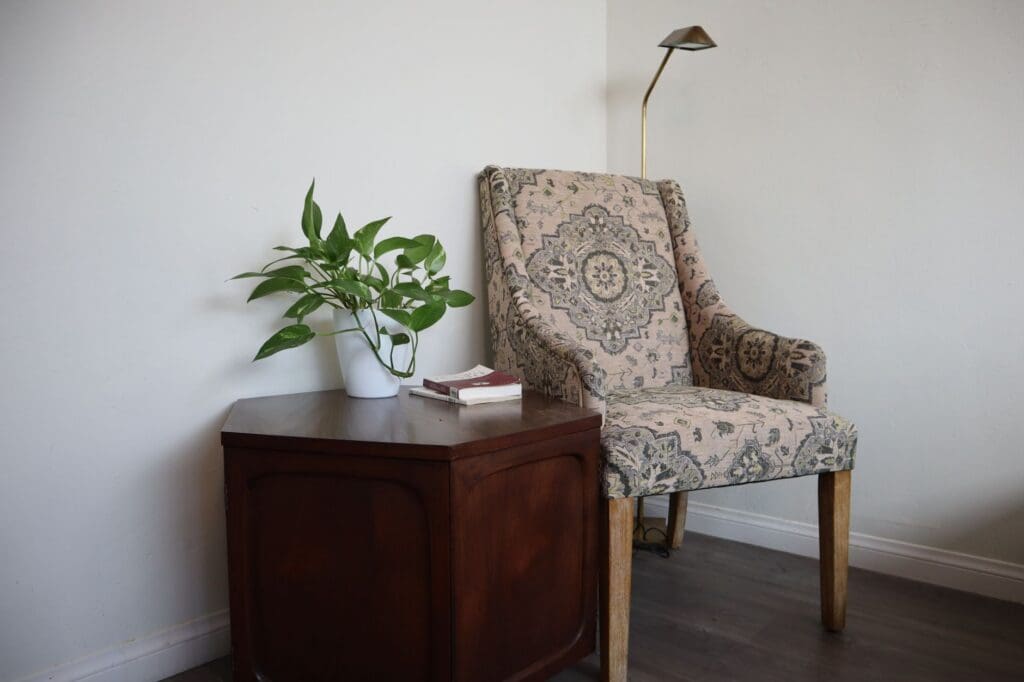
That empty corner in your bedroom has potential. You walk past it every day thinking it could be something more—a spot to read before bed, sip your morning coffee, or just escape for a few quiet minutes. A reading chair can transform that awkward space into your favorite corner of the house, but only if […]
If you’ve been tossing and turning on an old mattress, you already know it’s time for a change. But walk into any mattress store or browse online, and you’re immediately hit with the big question: memory foam or innerspring? Both have passionate fans, and honestly, both can give you great sleep. The real answer depends […]